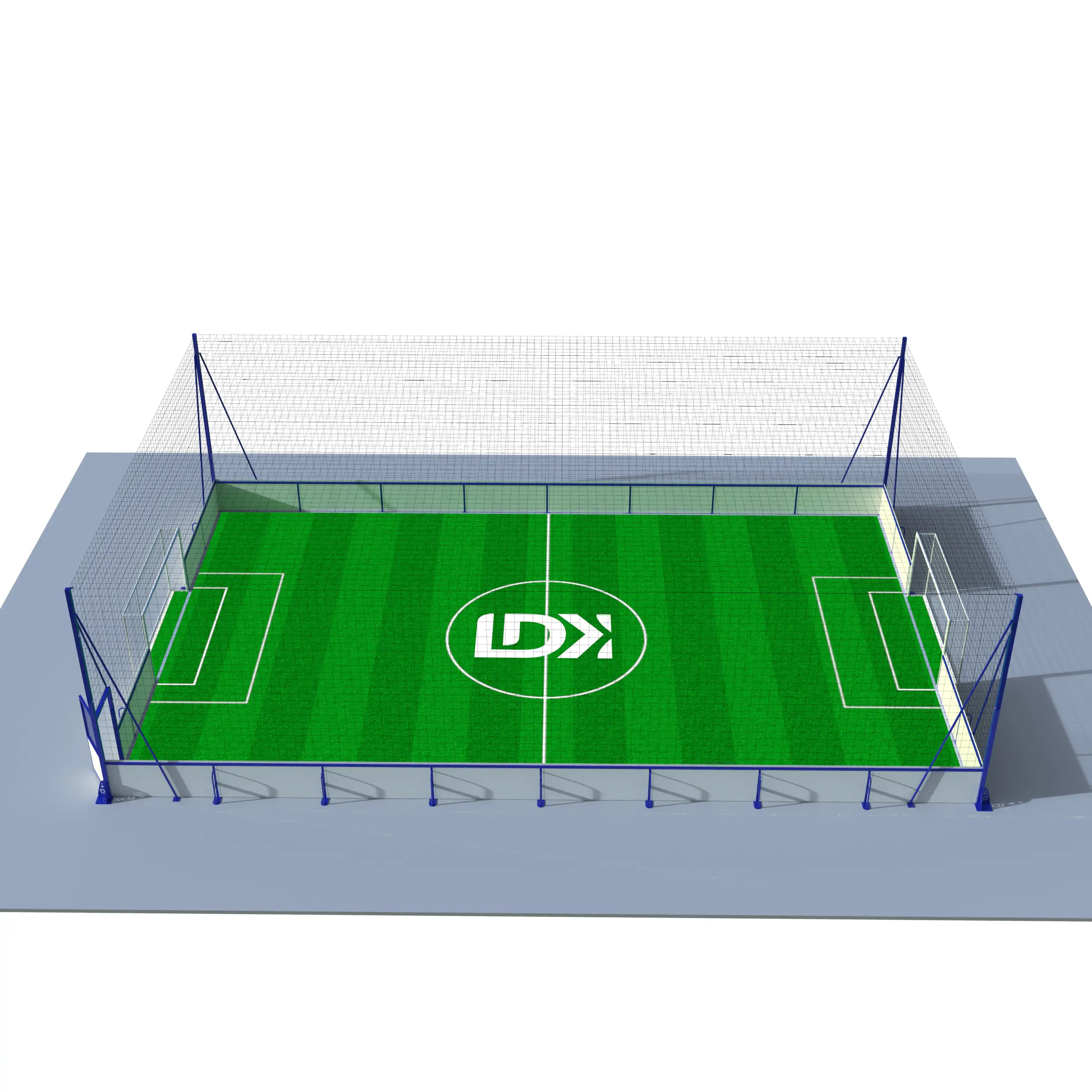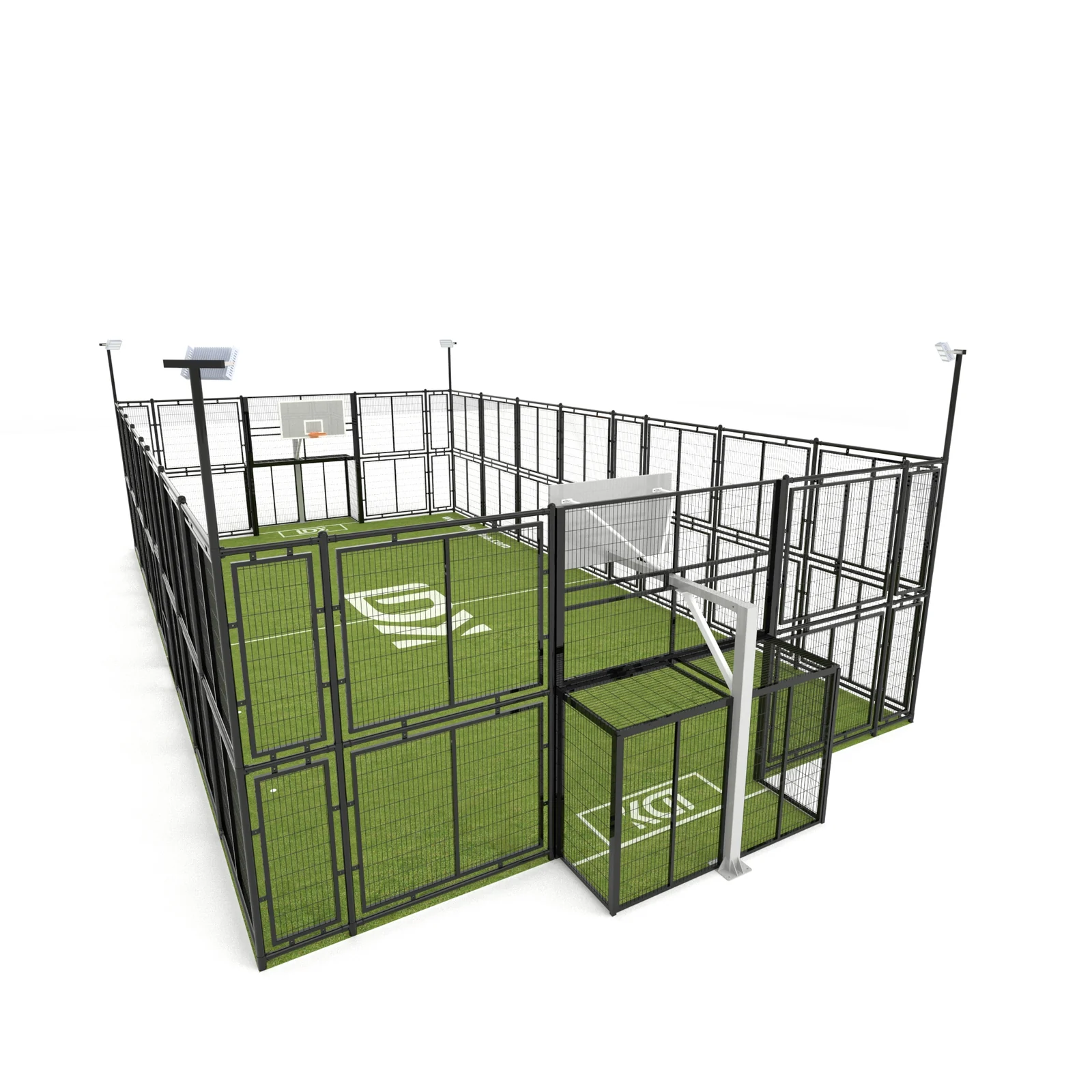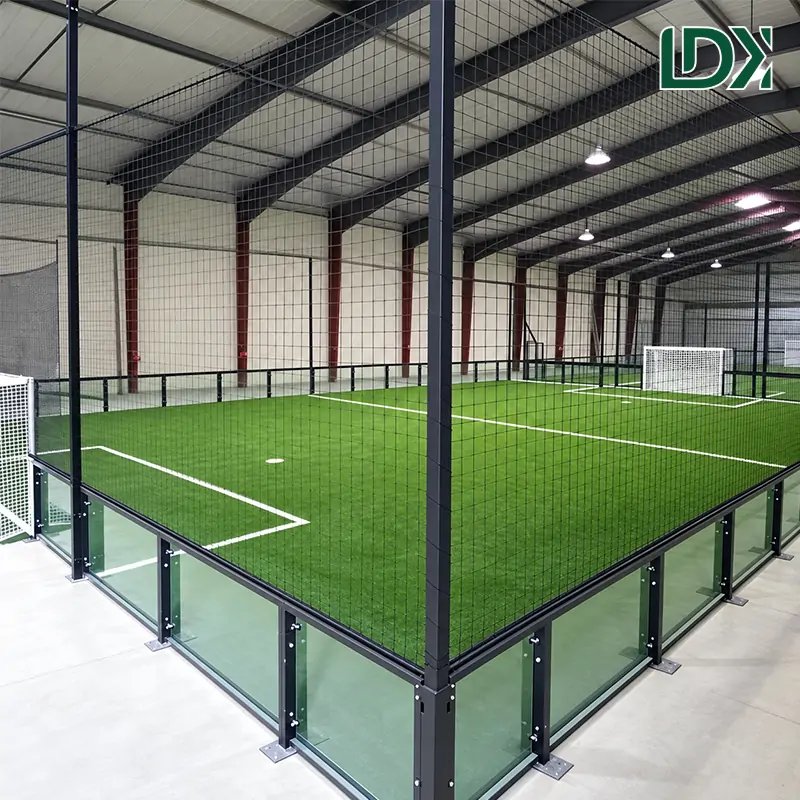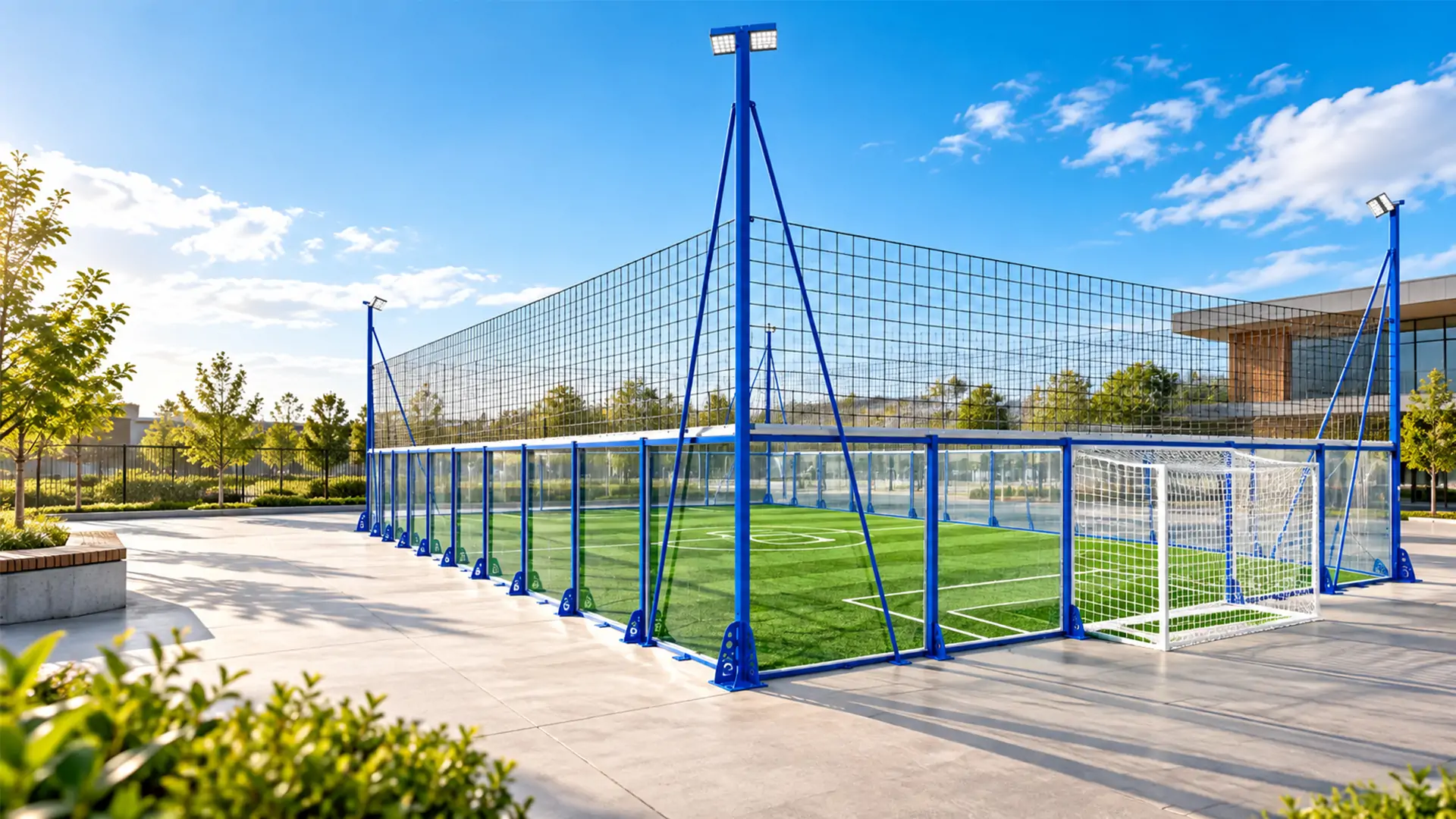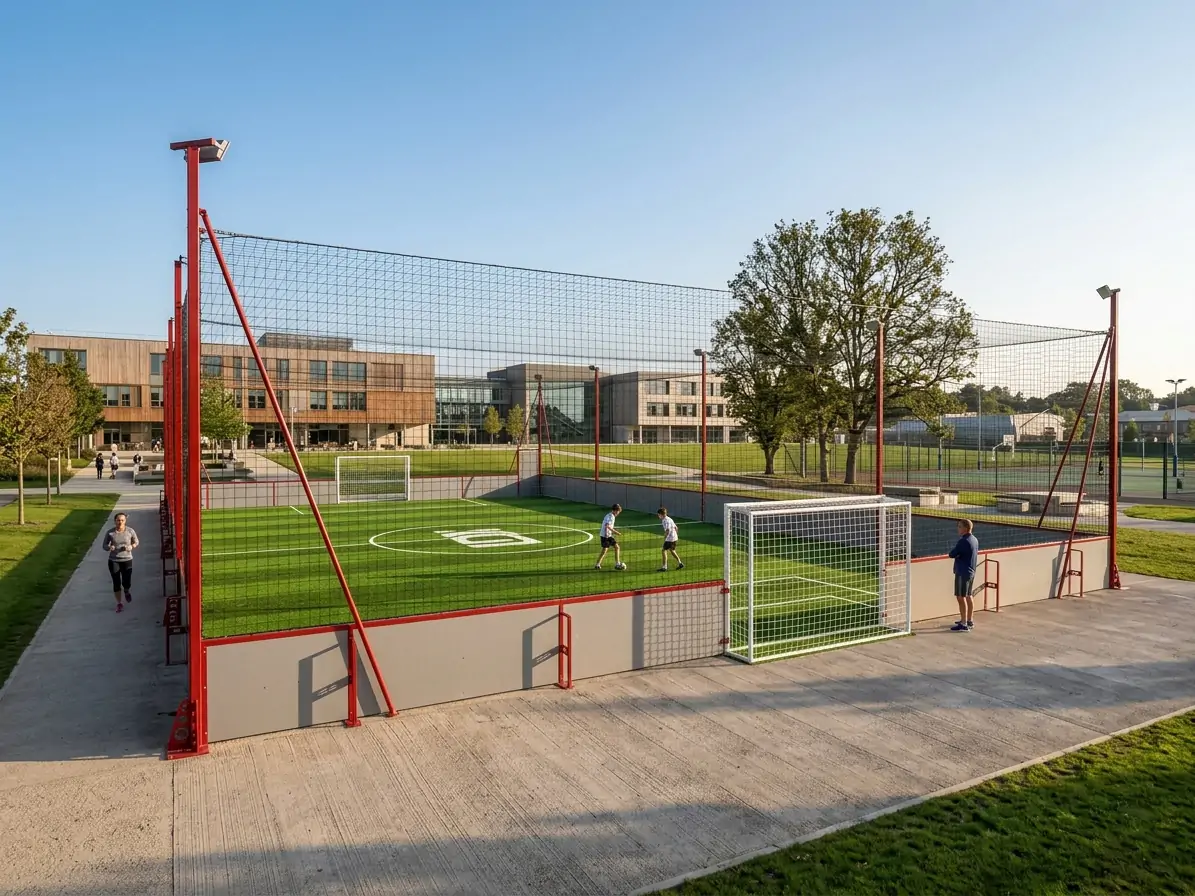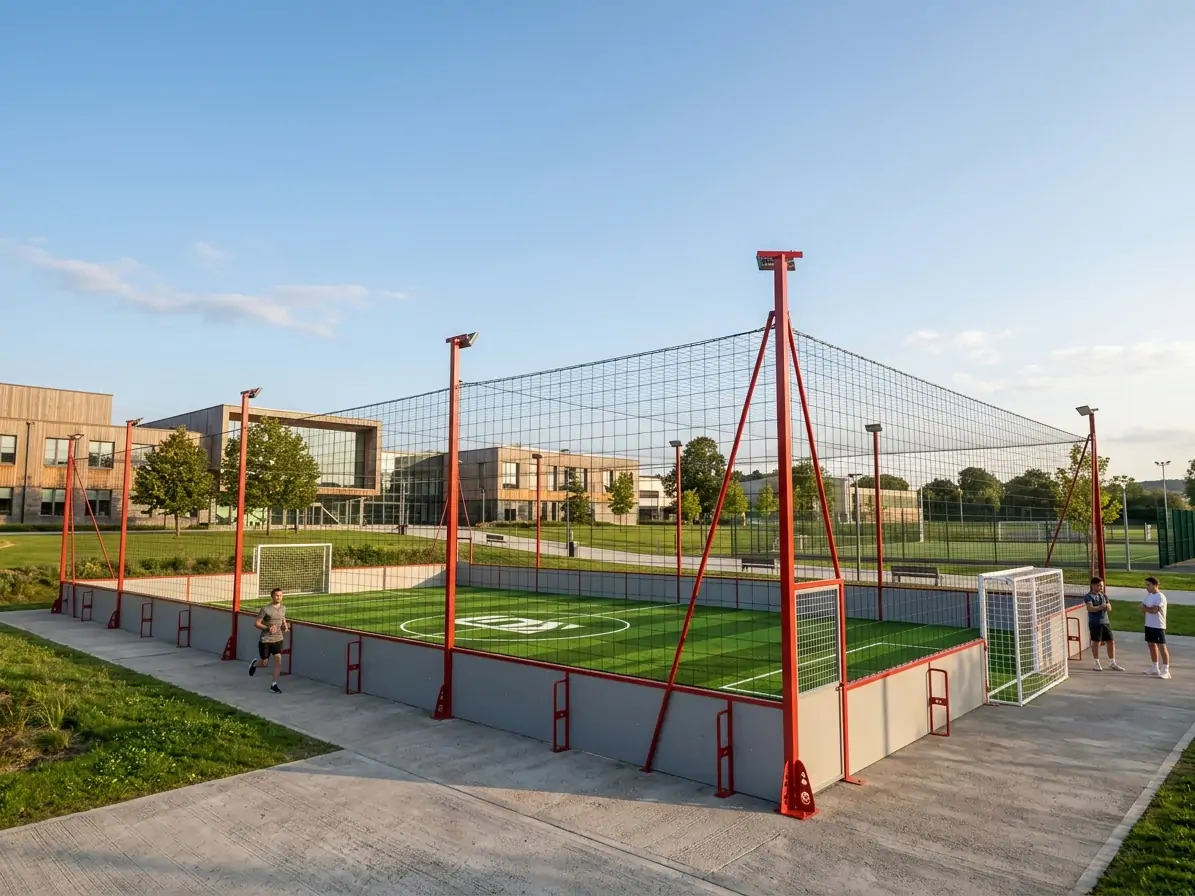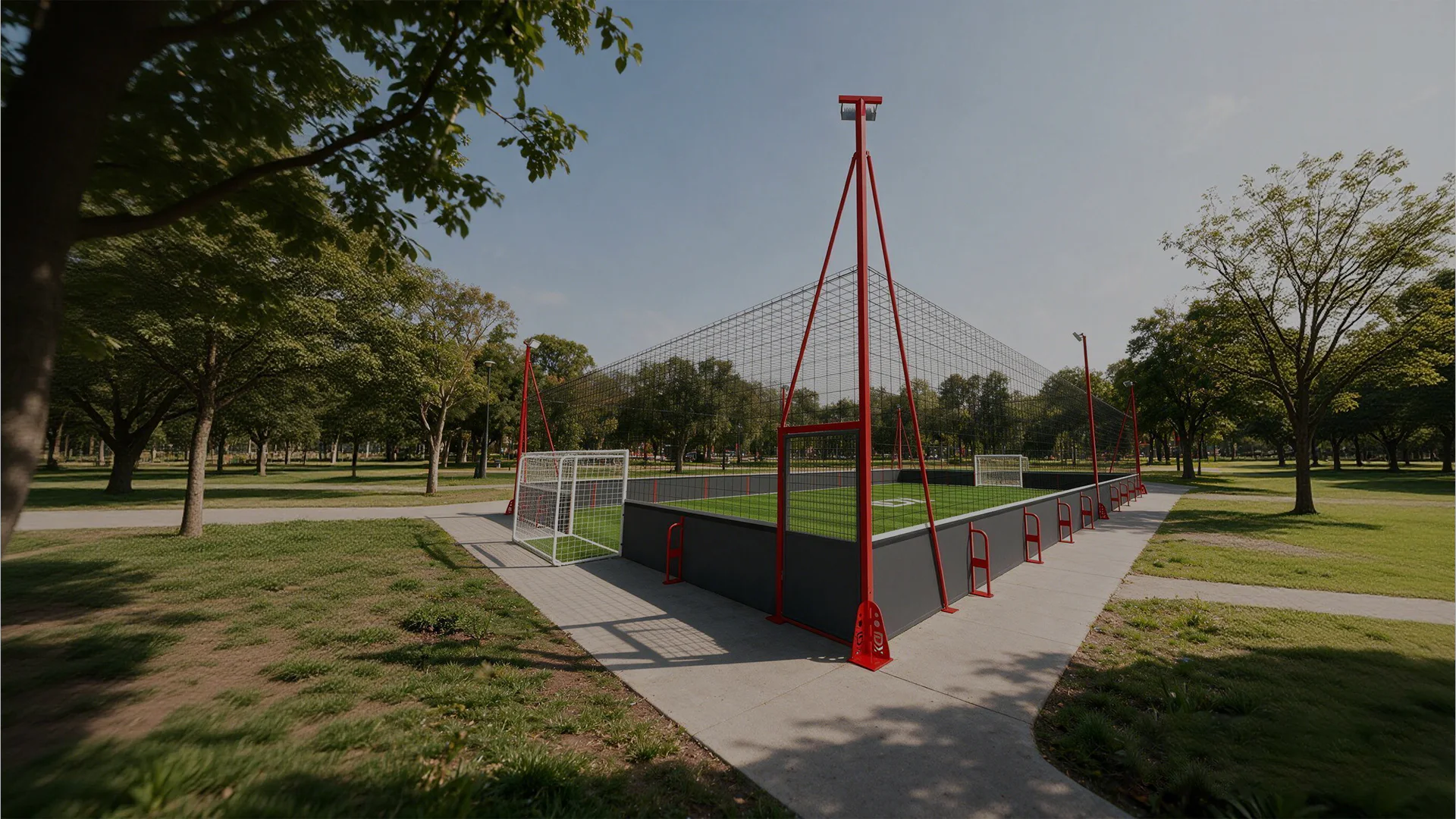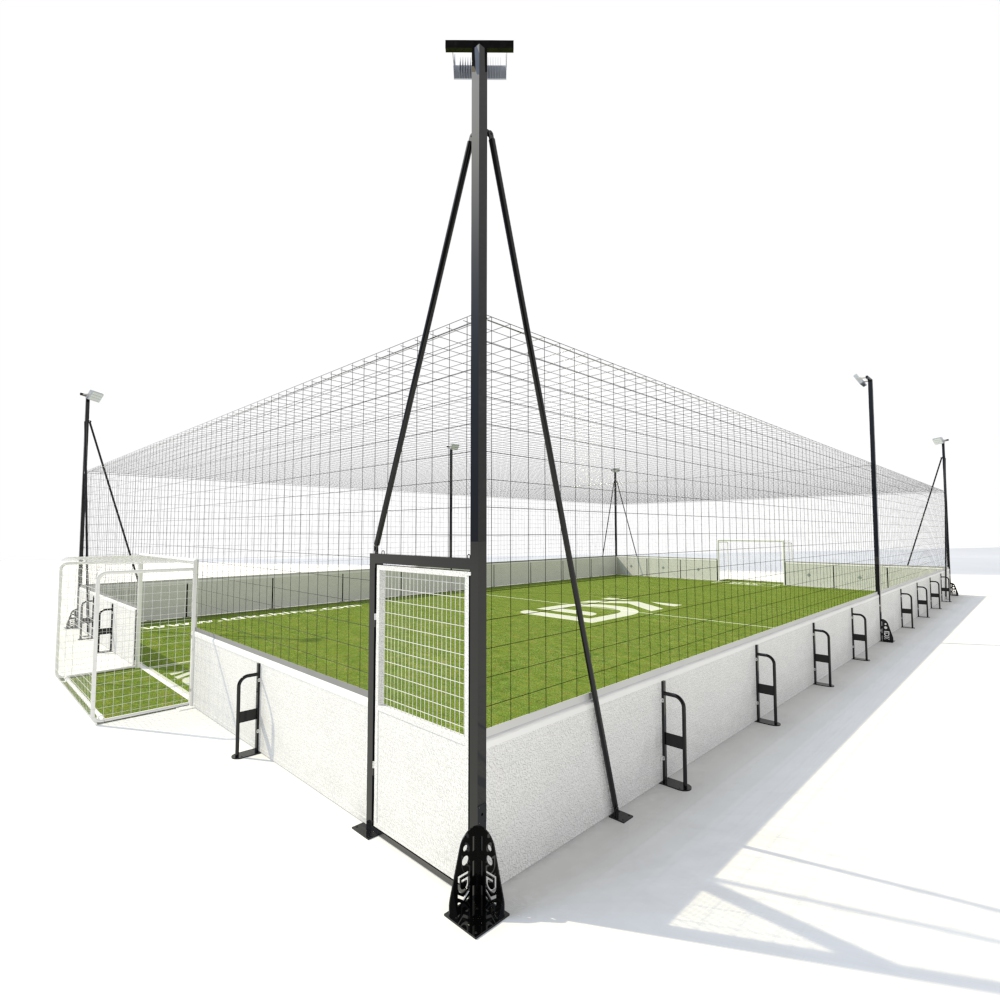
Choosing between a free-filling artificial turf football field and a natural grass football field is one of the most important decisions for schools, sports clubs, municipalities, stadium operators, and construction contractors. The playing surface directly affects installation costs, maintenance requirements, player experience, field availability, and long-term return on investment.
If you are planning a new football field project or upgrading an existing facility, understanding the advantages and limitations of both options — and how advanced solutions like the LDK Free of filling Artificial Grass deliver optimized value — can help you make a more informed purchasing decision and select the solution that best fits your budget and operational goals.
Why Does This Decision Matter?
Many buyers initially focus on installation costs while overlooking factors such as maintenance expenses, climate conditions, usage frequency, and lifecycle costs.
As a result, some football field projects experience challenges such as:
• Excessive maintenance costs
• Reduced field availability
• Surface deterioration
• Poor drainage performance
• Increased repair requirements
• Lower long-term value
The right field system should balance performance, durability, safety, and cost efficiency over its entire lifespan. For facilities seeking to minimize ongoing labor and material costs, Free of filling Artificial Grass systems like LDK address nearly all of these common pain points.
Key Factors That Affect Purchasing and Project Performance
Several factors should be carefully evaluated before selecting a football field surface.
Usage Frequency
One of the most important considerations is how often the field will be used.
Natural grass performs well under moderate use but may struggle with daily training sessions, multiple matches per week, community sports programs, and school activities.
The LDK artificial turf system, with 20000 Dtex high-strength fibers and 22050 stitches/m² density, can typically support significantly more playing hours annually without requiring recovery periods — making it ideal for high-traffic multi-use facilities.
Climate Conditions
Local weather conditions play a major role in surface performance.
Natural grass may be affected by drought, heavy rainfall, and extreme temperatures.
The LDK offers more consistent performance across varying weather conditions. Its double PP + NET + SBR latex backing delivers superior dimensional stability and water permeability, allowing the field to remain playable throughout the year with minimal weather-related downtime.
Maintenance Requirements
Natural grass requires ongoing maintenance, including irrigation, fertilization, mowing, weed control, — all of which demand dedicated staff and recurring material costs.
Traditional infilled artificial turf requires brushing, cleaning, infill replenishment, and periodic inspections. As a free-filling system, the LDK eliminates infill-related maintenance entirely: no rubber granule refills, no sand top-ups, no infill displacement or compaction issues. Routine care only requires light brushing and debris removal, drastically reducing upkeep labor and costs for facilities with limited maintenance resources.
Long-Term Operating Costs
While natural grass may have lower initial installation costs in some regions, annual maintenance expenses can accumulate significantly over time.
LDK provides better long-term cost predictability and budget control. With an 8-year warranty and a service life of over 10 years, it eliminates recurring infill purchases and cuts annual maintenance costs by 60–70% compared to natural grass, delivering a faster return on investment.
How Should Materials and Structures Be Selected?
The performance of a football field depends heavily on the selected materials and construction system.
Natural Grass Football Fields
Natural grass systems typically include:
• Topsoil layer
• Drainage layer
• Irrigation system
• Natural grass varieties
Advantages include:
• Natural appearance
• Cooler surface temperatures
• Traditional playing experience
They are often preferred for professional venues with dedicated maintenance teams.
Artificial Turf Football Fields
Modern free-filling artificial turf systems like the LDK are engineered to deliver professional-grade performance without the complexity of infill materials. The system consists of:
• 25 mm pile height synthetic grass fibers (20000 Dtex, double green color)
• Reinforced backing: Double PP + NET + SBR latex for maximum durability and drainage
• Engineered base system
• Drainage infrastructure
Advantages include:
• High durability: 22050 stitches/m² density for heavy traffic resistance
• Consistent playing conditions: uniform surface with no infill shift or bare spots
• Reduced maintenance: zero infill replenishment, simplified cleaning
• Extended playing hours: no recovery time needed after use
• Cleaner user experience: no rubber or sand tracked onto uniforms or facilities
Infill Selection
Common infill options for traditional turf include rubber infill, sand infill, and organic infill. The choice depends on performance requirements, environmental considerations, and budget.
The LDK eliminates the infill selection dilemma entirely. Its advanced fiber structure and high stitch density deliver stable footing and ball roll characteristics comparable to infilled systems — with no infill to purchase, replenish, or replace over the field’s lifespan.
Drainage System Design
Regardless of surface type, effective drainage is essential.
Proper drainage helps:
• Prevent water accumulation
• Extend field lifespan
• Improve player safety
• Reduce maintenance costs
The double PP + NET + SBR latex backing of LDK is engineered for rapid water evacuation, working in tandem with subsurface drainage infrastructure to prevent water accumulation.
Common Purchasing Mistakes
Many football field buyers encounter avoidable problems due to improper planning.
Focusing Only on Initial Cost
The lowest installation cost does not always provide the best long-term value. While natural grass may appear cheaper upfront, decades of irrigation, fertilization, and reseeding costs far exceed the investment in a quality free-filling turf system. The LDK 10+ year lifespan and minimal upkeep deliver lower total lifecycle costs.
Ignoring Usage Demand
Fields with heavy traffic may deteriorate quickly if the surface is not designed for the expected usage level. With 20000 Dtex heavy-duty fibers and 22050 stitches per square meter, the LDK is built to withstand daily training, multi-match weeks, and community use without premature wear.
Overlooking Drainage Design
Poor drainage can significantly reduce field performance and increase maintenance expenses. The LDK permeable backing structure, paired with a properly engineered base drainage system, ensures fast water removal and reduces long-term degradation from standing water.
Choosing Non-Certified Materials
Low-quality turf systems may suffer from fiber wear, color fading, surface instability, and reduced safety performance. The LDK uses high-grade raw materials and comes with an 8-year manufacturer warranty, guaranteeing consistent color, fiber integrity, and surface stability over years of use.
Underestimating Maintenance Requirements
Every football field requires maintenance. Buyers should clearly understand long-term maintenance commitments before making a decision. For facilities without dedicated grounds crews, the LDK infill-free design cuts maintenance time and costs dramatically compared to both natural grass and traditional infilled turf.
What Specifications Should Be Confirmed Before Purchasing?
Before requesting quotations, buyers should prepare detailed project requirements. For free-filling artificial turf projects, key specifications to confirm include:
• Field Dimensions
• Usage Requirements
• Pile height
• Fiber Dtex
• Backing construction
• Stitch density
• Color option
• Infill type
• Drainage Requirements
• Safety Standards
Providing accurate specifications allows suppliers to recommend the most suitable football field solution.
Recommended Solution: LDK Free-Filling Football Turf System
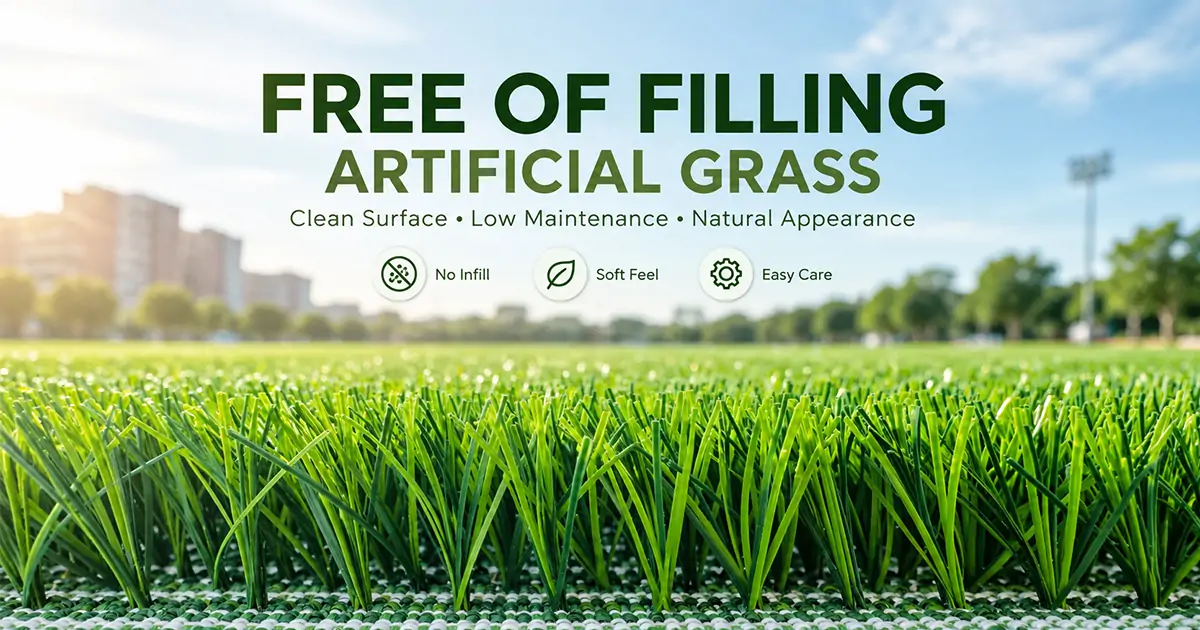
For schools, sports clubs, municipalities, and commercial sports facilities seeking a low-maintenance, high-durability football surface, the LDK Free of filling Artificial Grass delivers a premium, cost-effective solution.
Key product specifications & advantages:
• Product Type: Free-filling artificial football grass
• Pile Height: 25 mm
• Fiber Specification: 20000 Dtex high-strength synthetic fiber
• Backing: Double PP + NET + SBR latex for superior durability and drainage
• Density: 22050 stitches/m² (± 10%)
• Color: Double green for natural aesthetic
• Core Feature: infill-free — no rubber granules, no sand required
Additional project support includes professional field design, durable drainage structure engineering, custom project solutions, international-quality materials, and technical guidance throughout the project lifecycle.
Whether you require a training field, community sports facility, school football field, or recreational stadium surface, the LDK delivers tailored solutions designed for long-term performance and value.
FAQ
Which is better, artificial turf or natural grass?
The answer depends on usage frequency, maintenance resources, climate conditions, and project budget. Free-filling artificial turf like LDK is often preferred for high-use facilities, as it maximizes field availability and minimizes upkeep, while natural grass offers a traditional playing experience for low-use, professionally maintained venues.
What is the most important factor when selecting a football field?
Usage frequency, drainage performance, maintenance budget, and lifecycle cost are among the most important considerations. For high-traffic facilities, an infill-free turf system with high fiber density and strong backing — such as the LDK — will deliver the best long-term performance and return on investment.