Table of Contents
- A shift in public sports-facility planning
- Why enclosed pitches are gaining attention
- From upfront cost to long-term operation
- What project teams should evaluate
- FAQ
- Plan your cage football project
A Shift in Public Sports-Facility Planning
Public-space planners, schools and recreation operators are placing greater emphasis on long-term operating value when developing small-sided football facilities. Instead of looking only at initial construction cost, more projects are evaluating how a pitch will perform under daily use, changing weather conditions and limited maintenance resources.
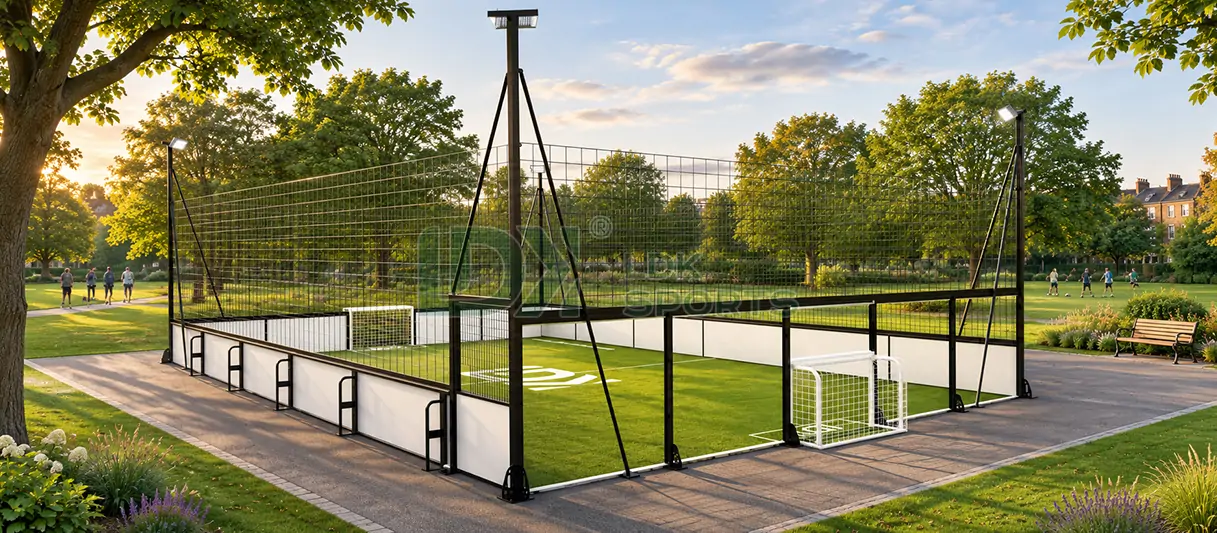
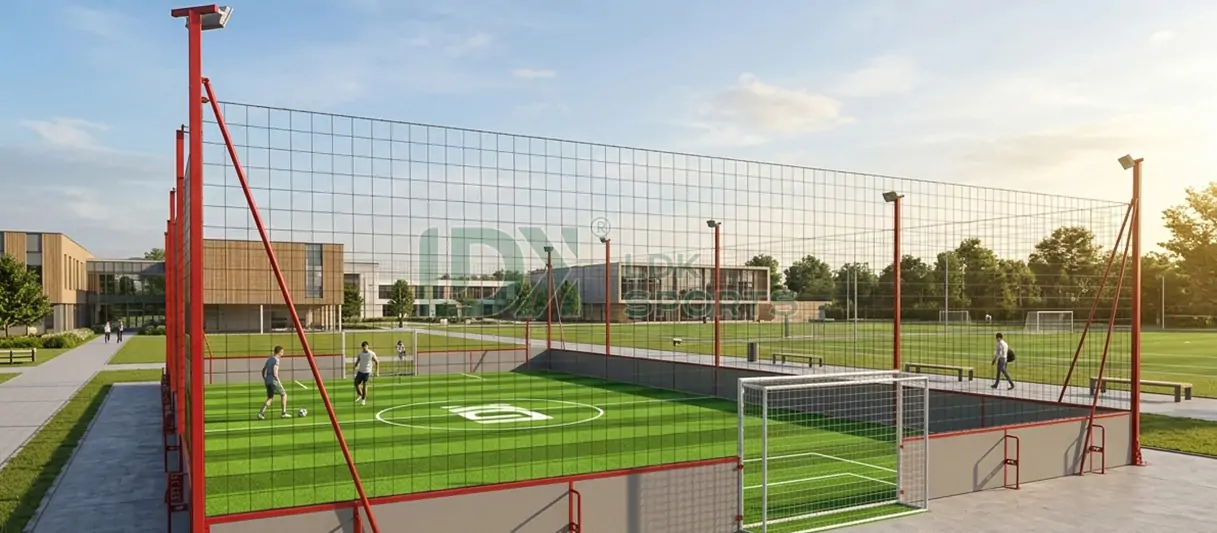
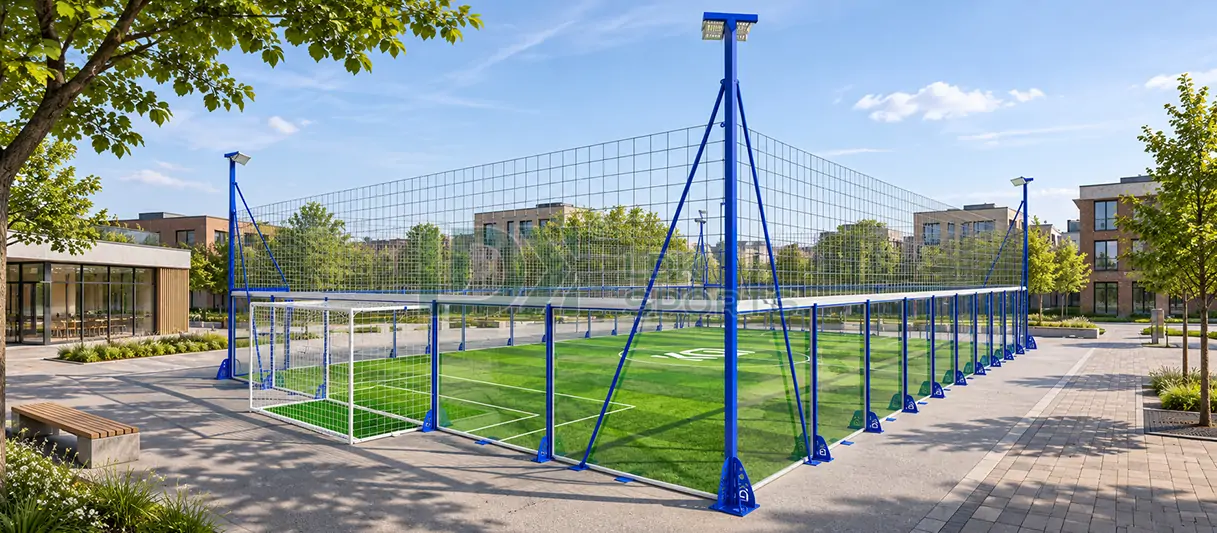
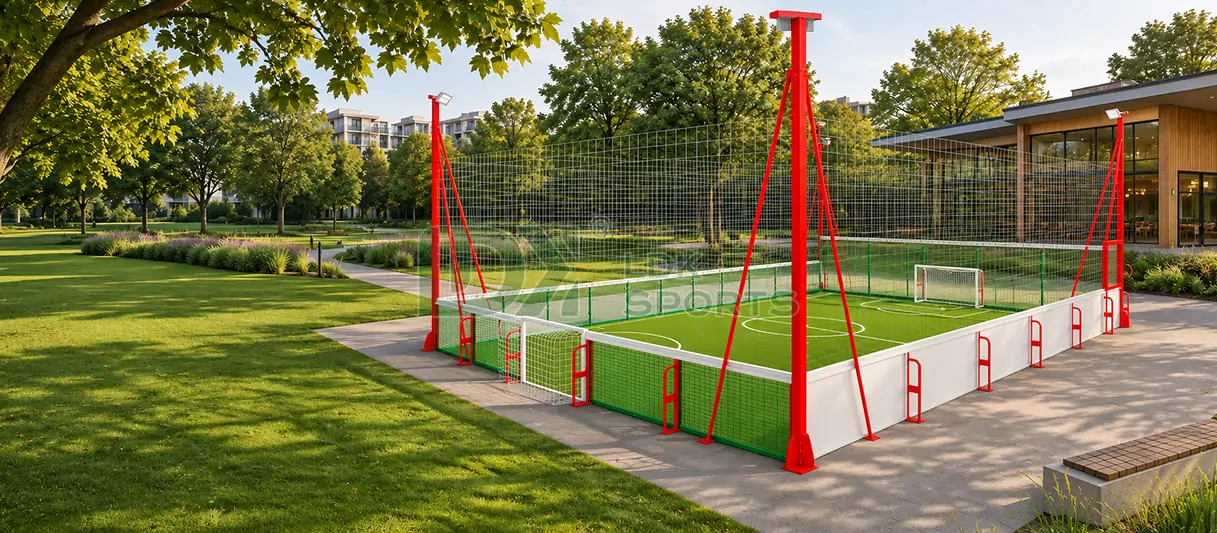
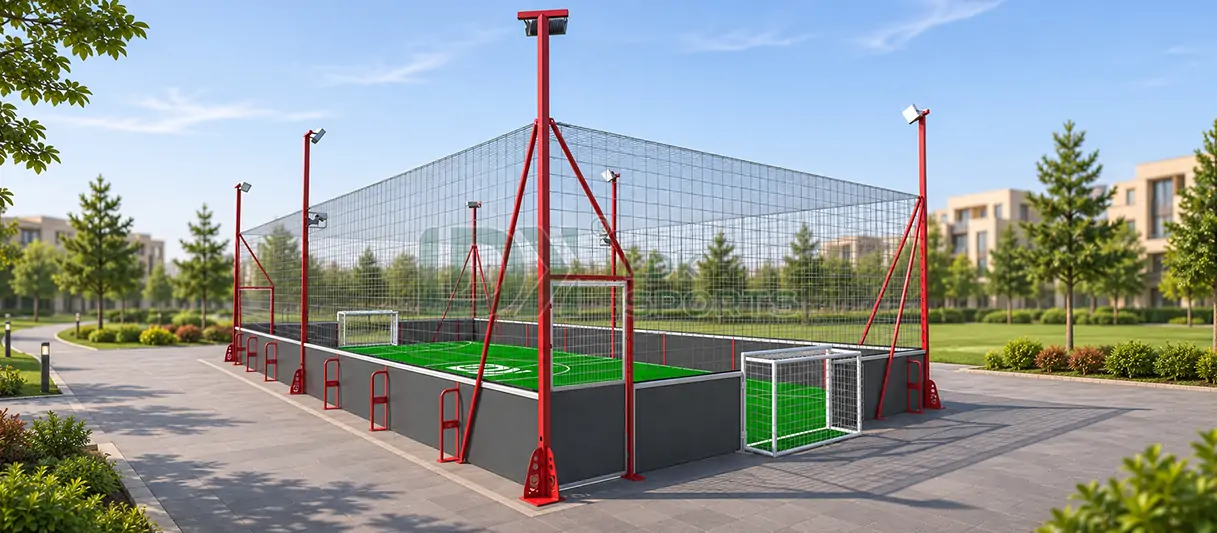
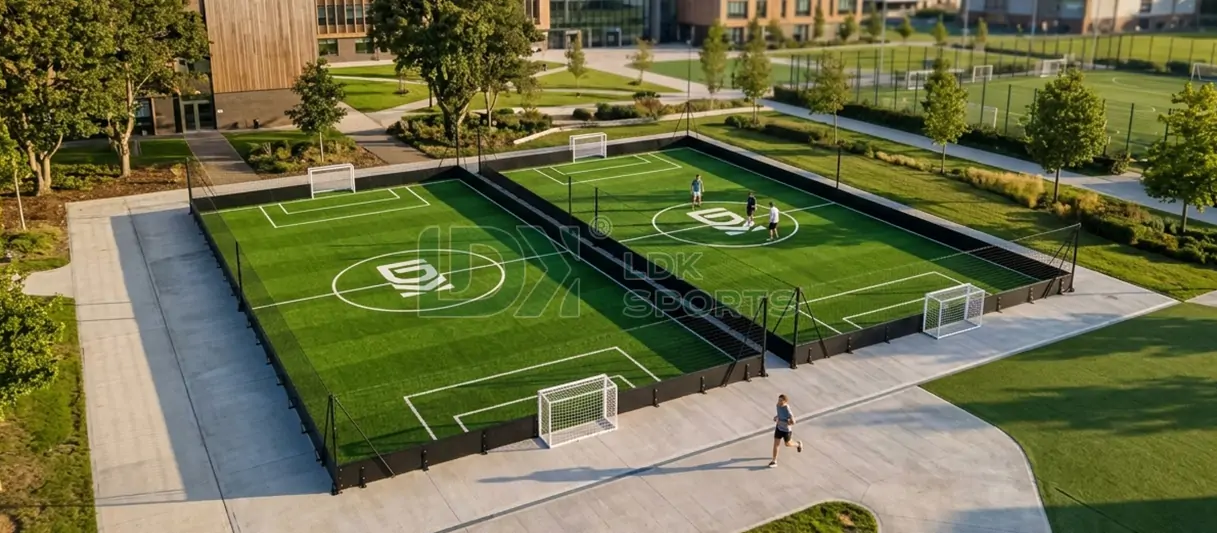
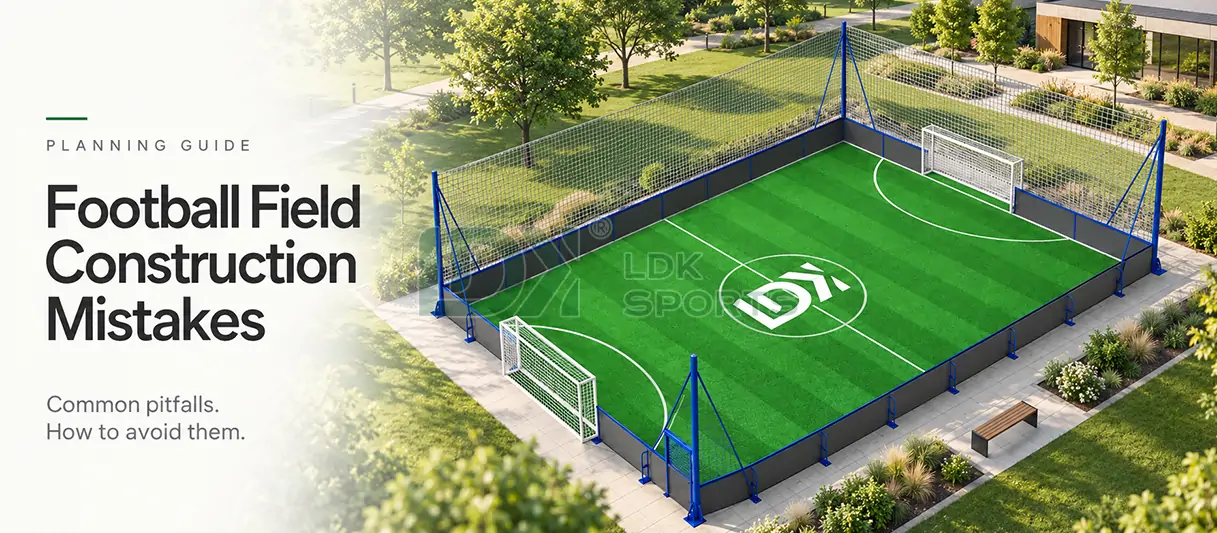
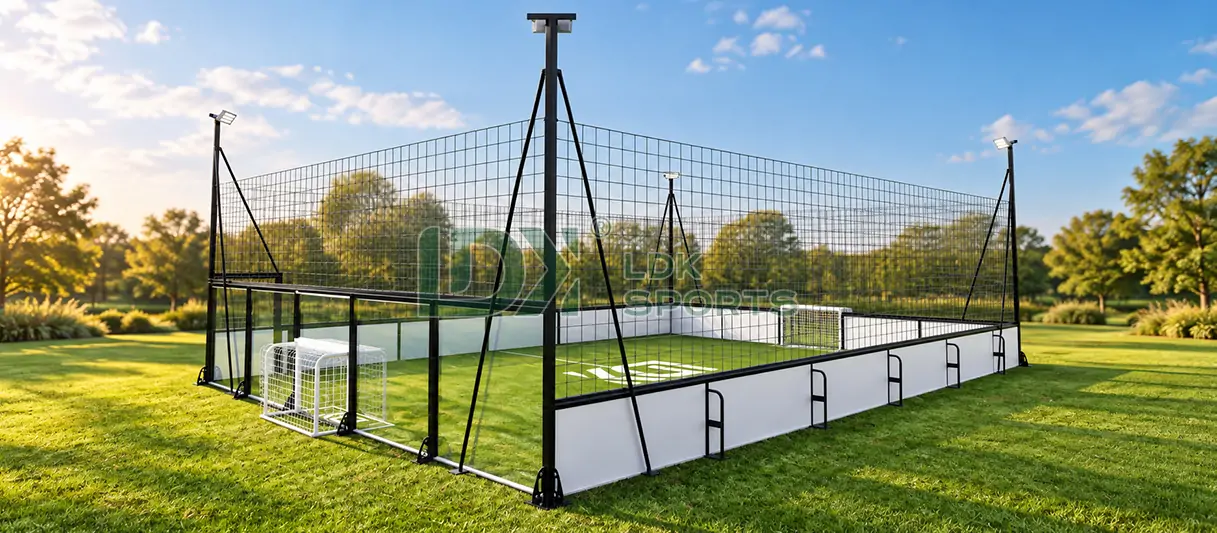
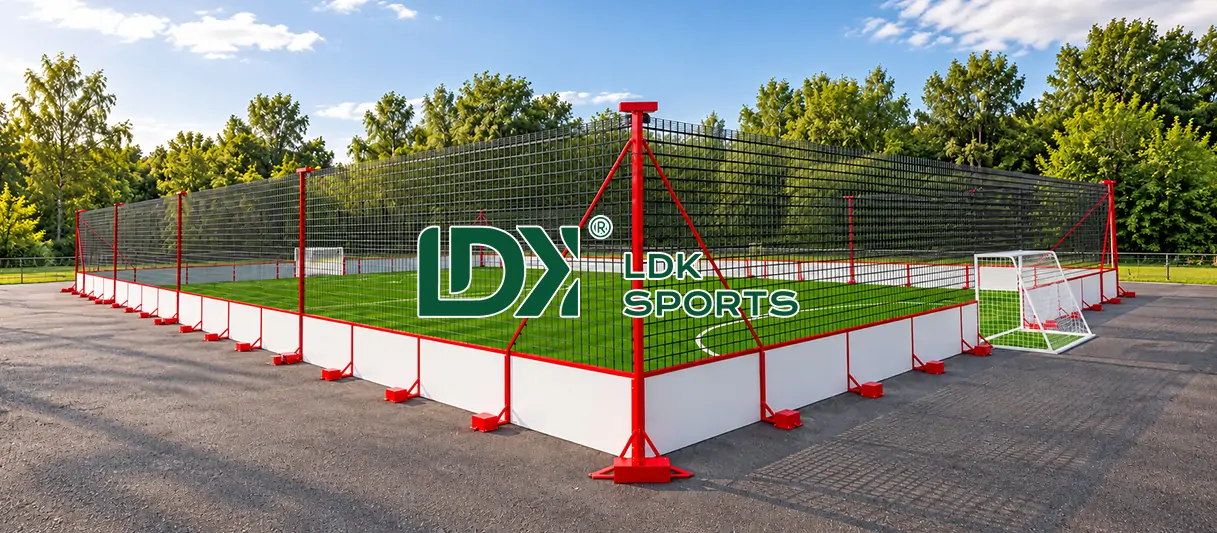
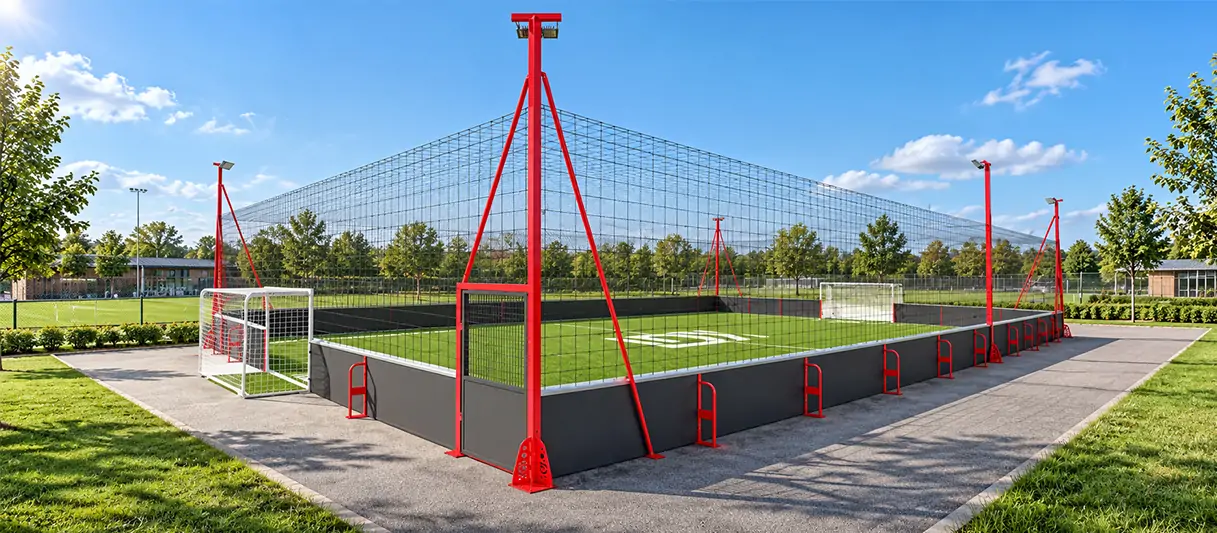
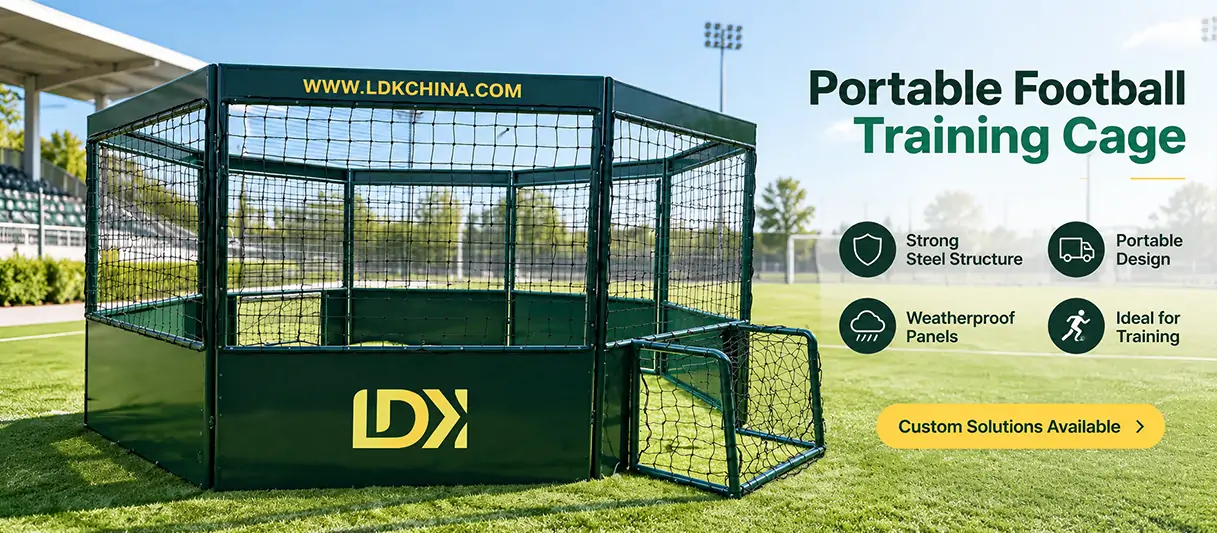
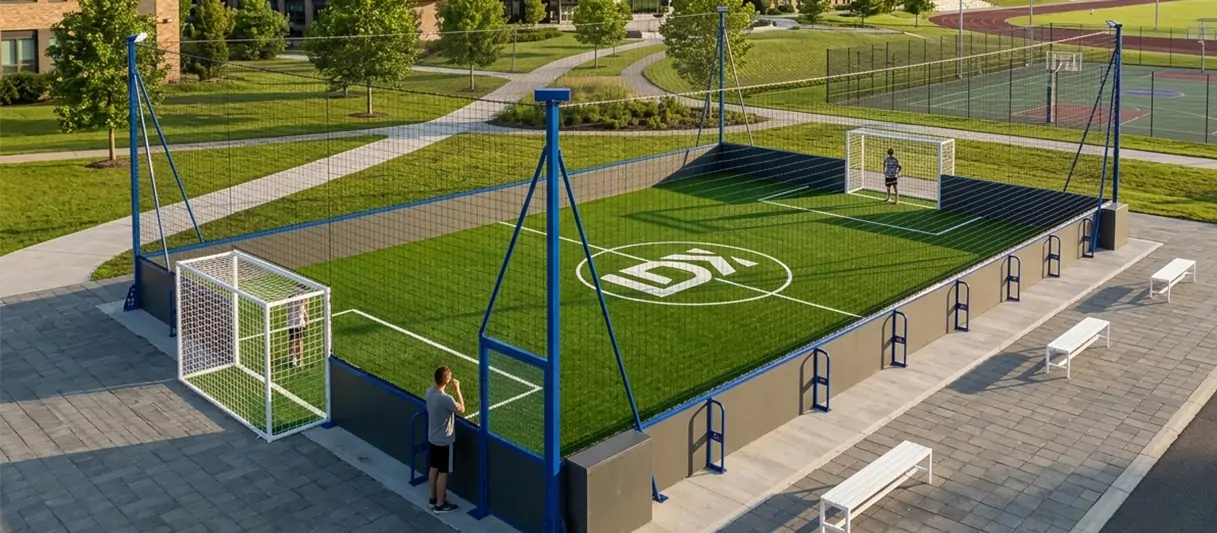
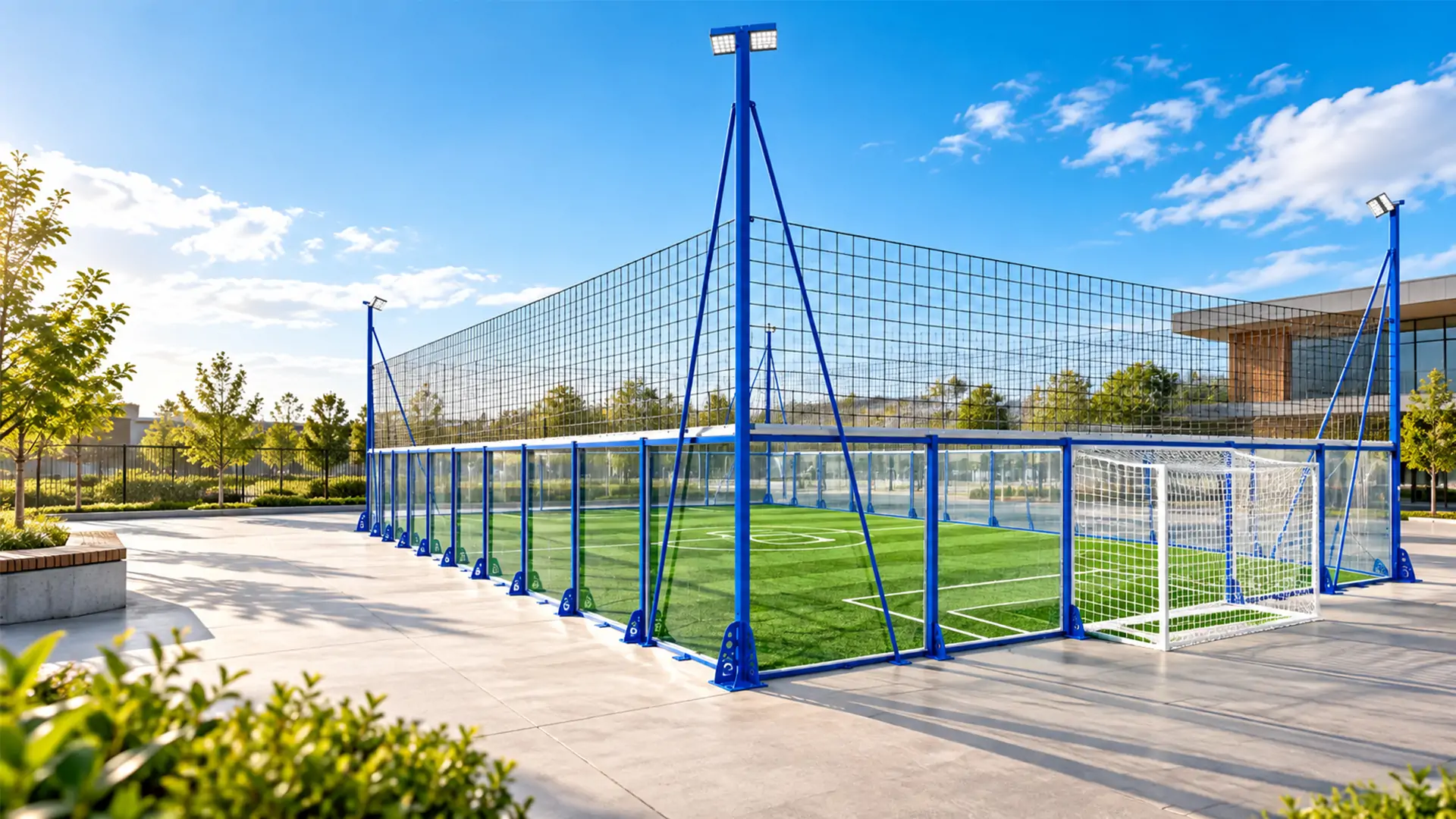
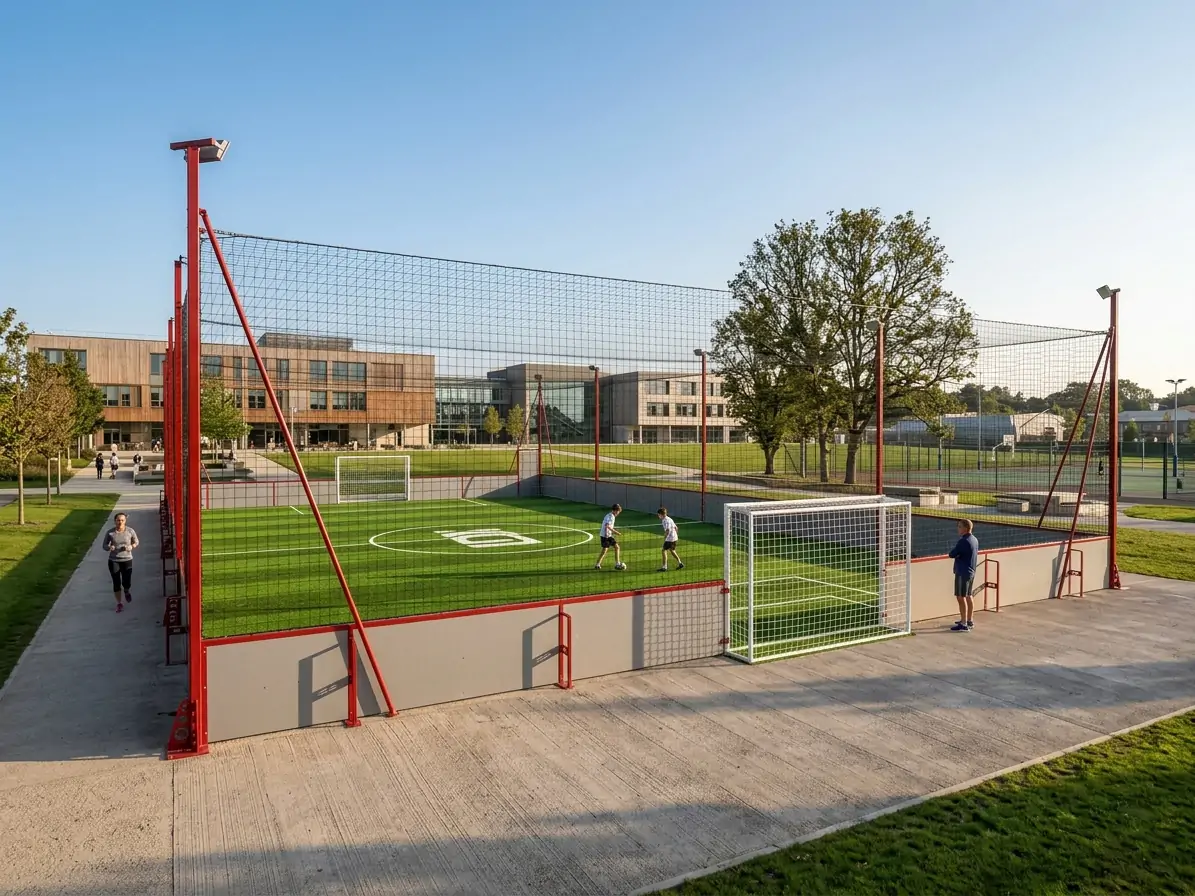
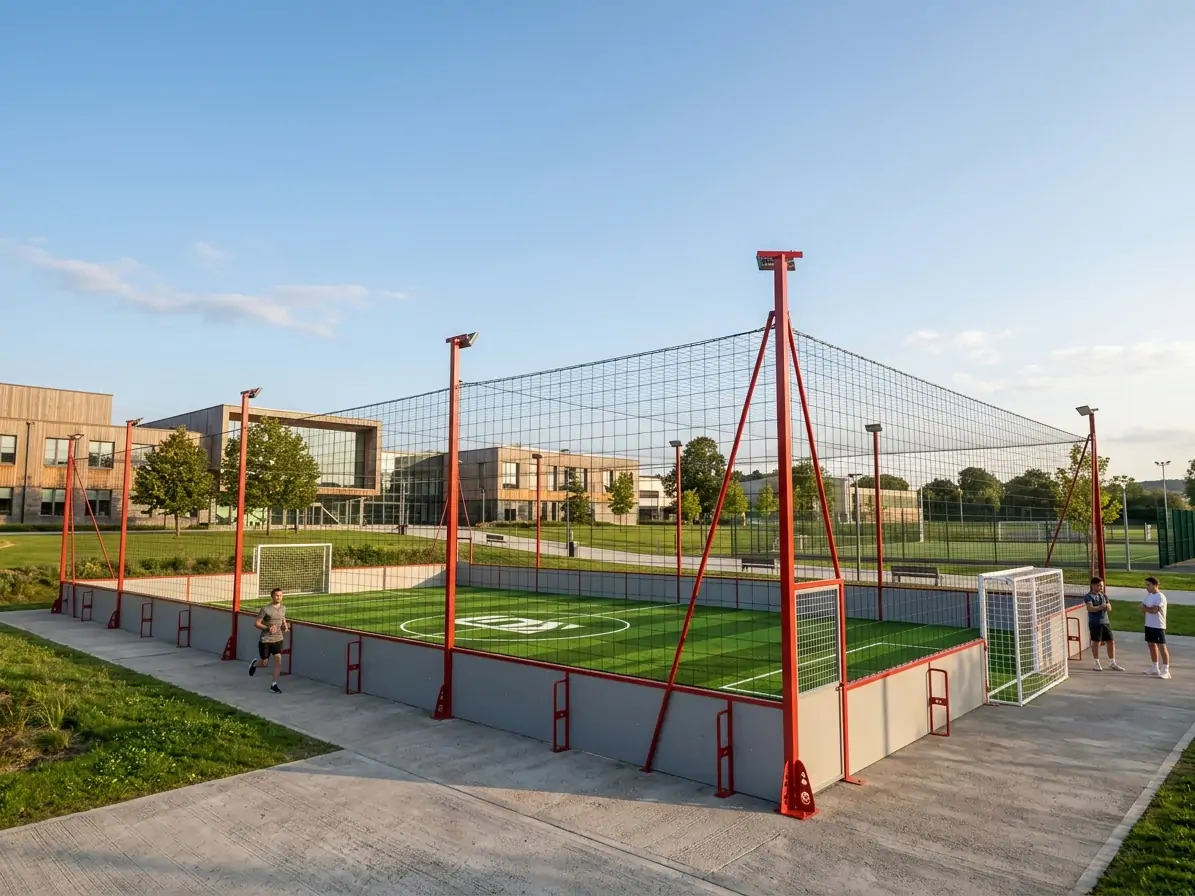
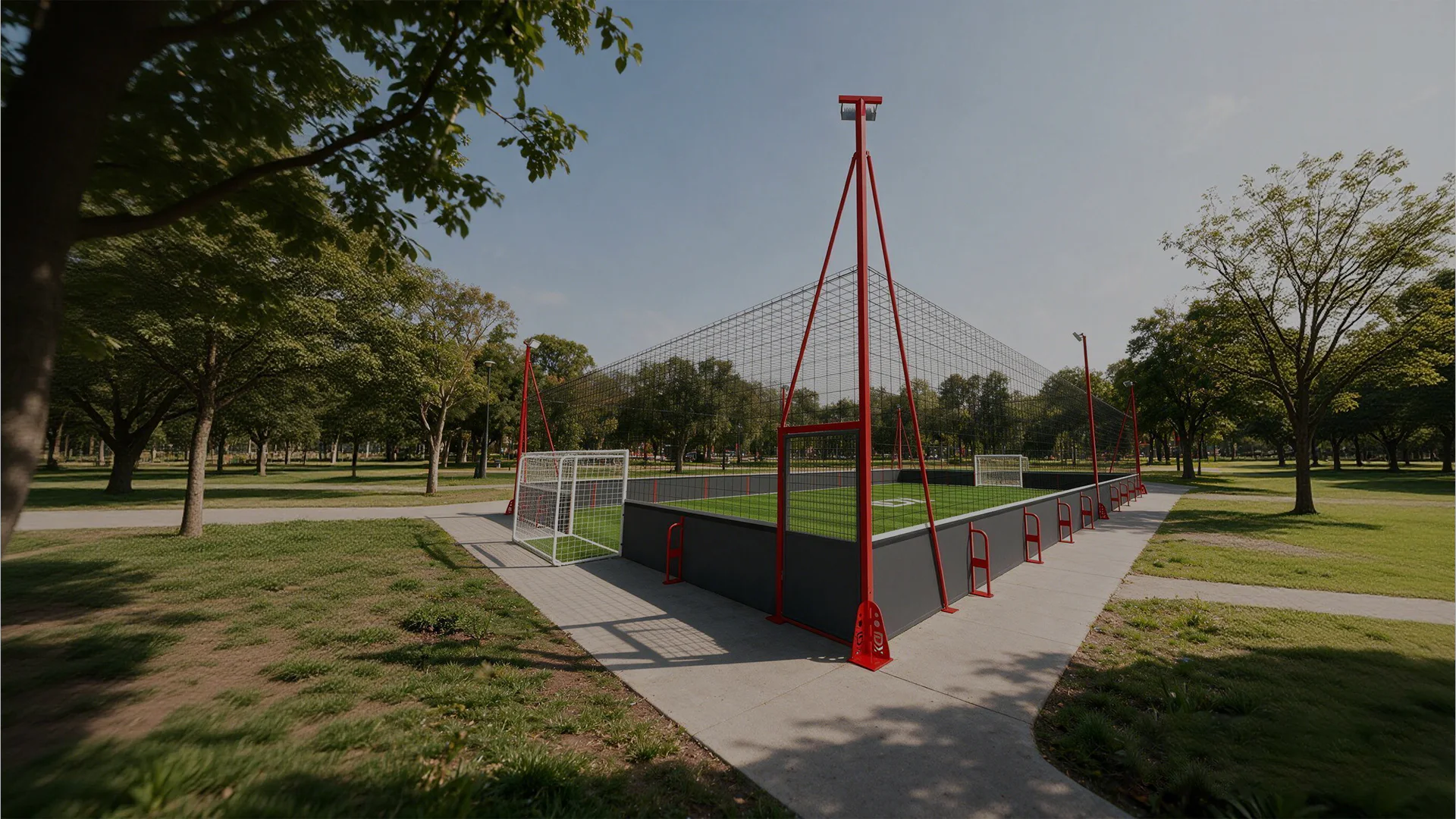
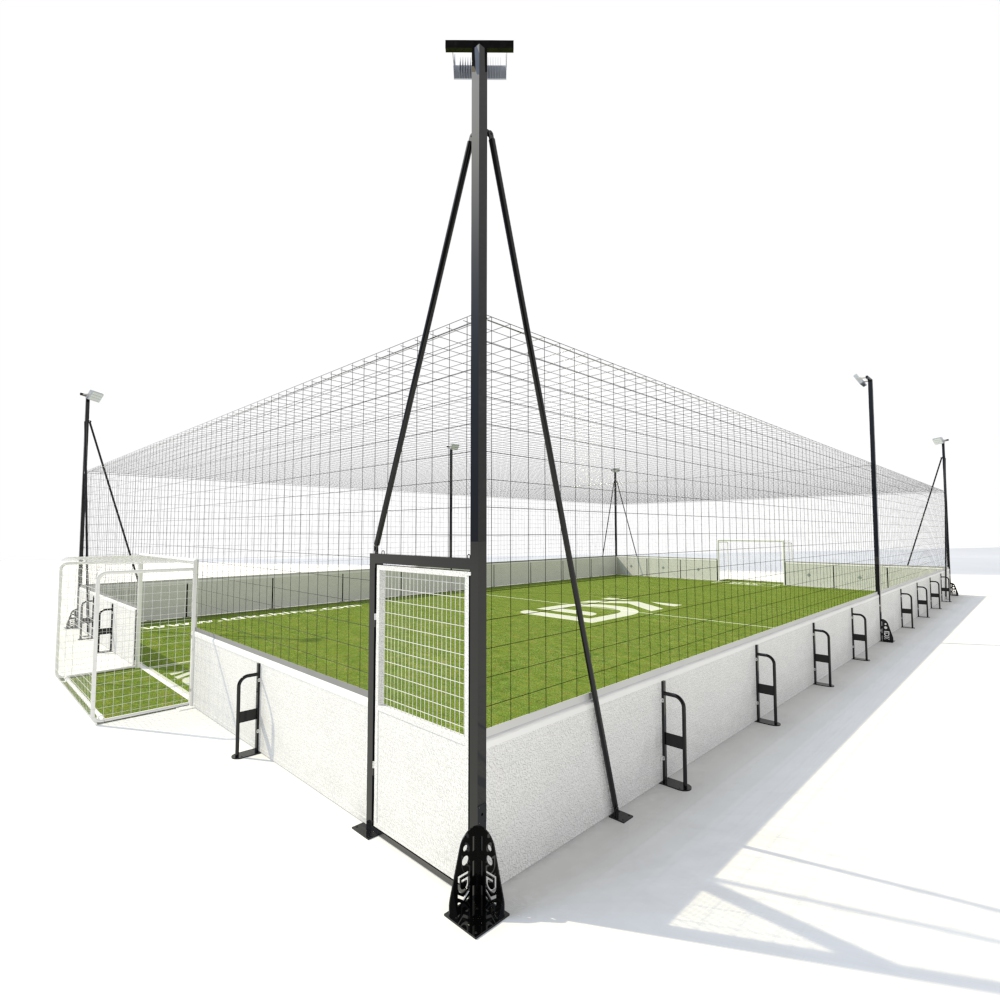
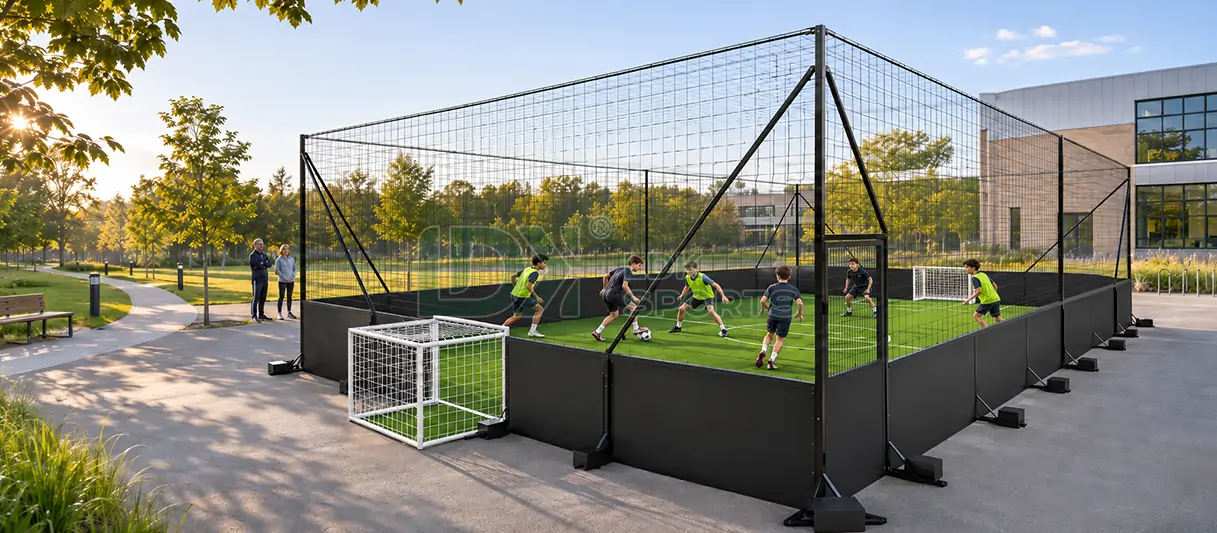
This shift is bringing compact cage football pitches into more discussions around neighborhood parks, school campuses, residential developments and urban renewal projects. Designed for five-a-side football and other small-sided activities, enclosed pitches can help transform underused areas into organized sports spaces where a full-size field is not practical.
For project teams working with limited land, the value is not simply the ability to install a smaller field. It is the opportunity to create a more contained, manageable and durable recreation area that supports regular community use.
Why Enclosed Pitches Are Gaining Attention
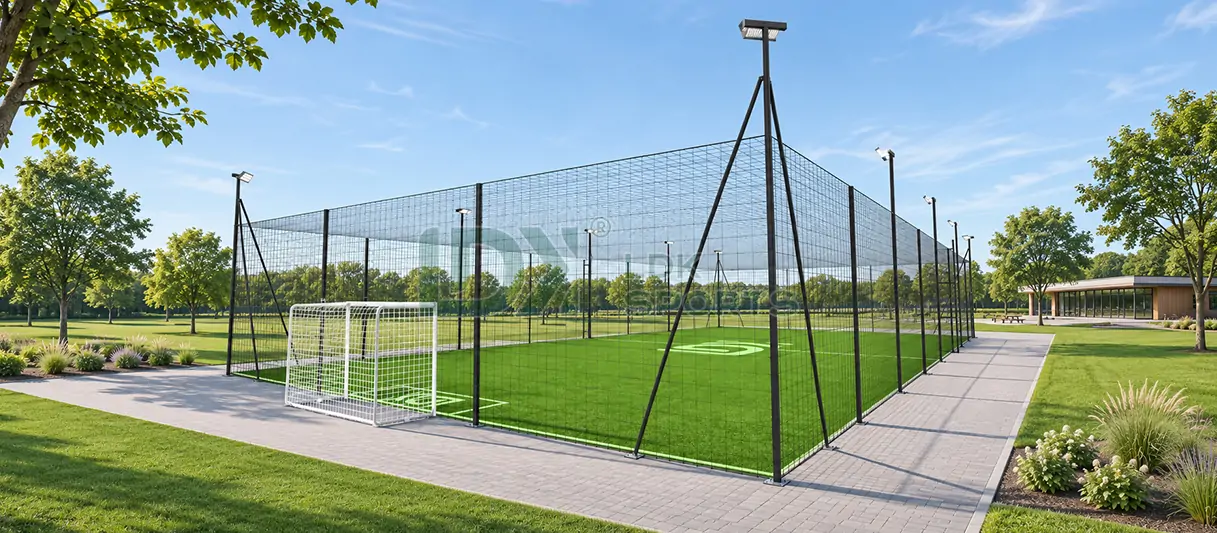
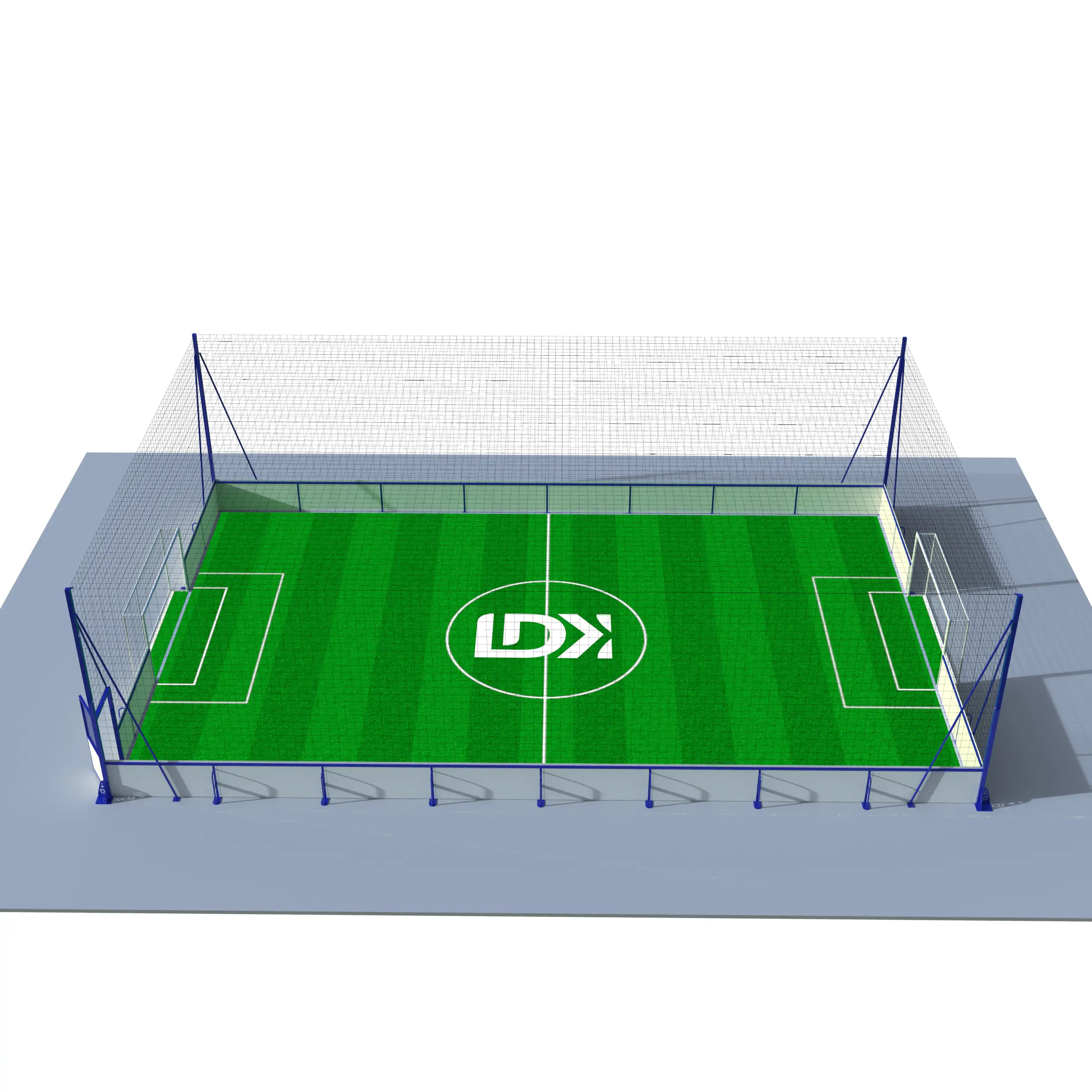
A fully enclosed football pitch can help solve several practical challenges faced by public operators. Ball containment reduces disruption around nearby walkways, buildings and public areas, while enclosed side and overhead netting can make sessions easier to supervise.
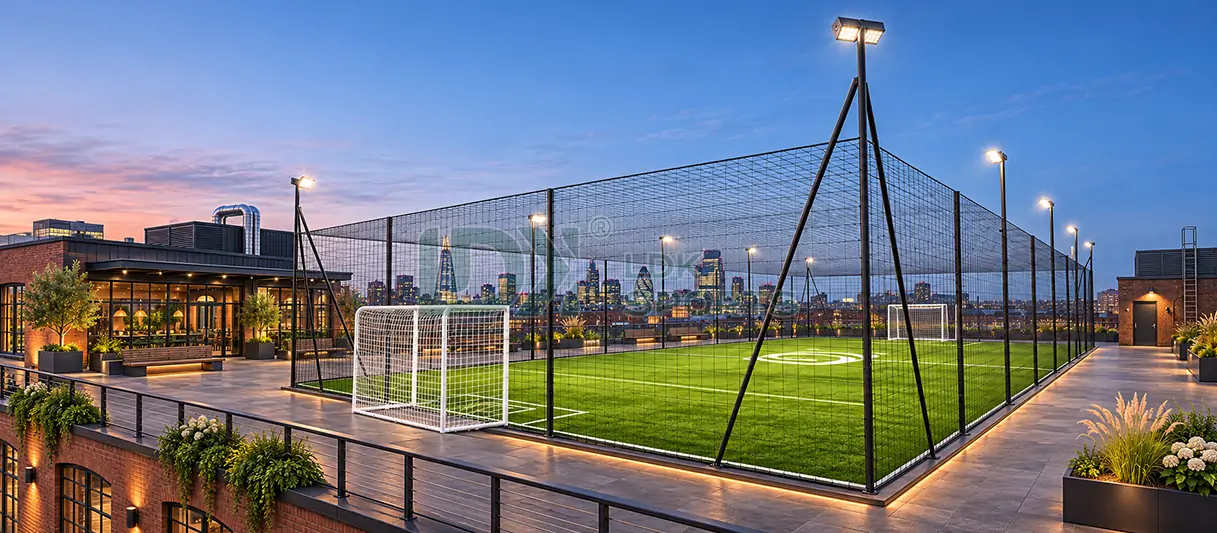
This is particularly relevant in dense urban environments, where sports facilities may be placed close to schools, residential areas, commercial buildings or public roads. A compact cage football layout allows planners to use smaller sites more efficiently without sacrificing the ability to host organized training, casual play and youth activities.
The enclosed design can also support a better player experience. When the playing area is clearly defined, games can continue with fewer interruptions caused by balls leaving the field. For operators, that can reduce the time staff spend retrieving equipment and responding to issues outside the pitch boundary.
From Upfront Cost to Long-Term Operation
The most important question for a high-traffic football facility is not only how it looks on installation day. It is how reliably it will perform after years of use.
Outdoor sports equipment is exposed to rain, humidity, UV exposure, player impact and frequent wear. For that reason, project teams are increasingly reviewing structural protection, turf durability, netting strength, lighting performance and safety details as part of the wider investment decision.
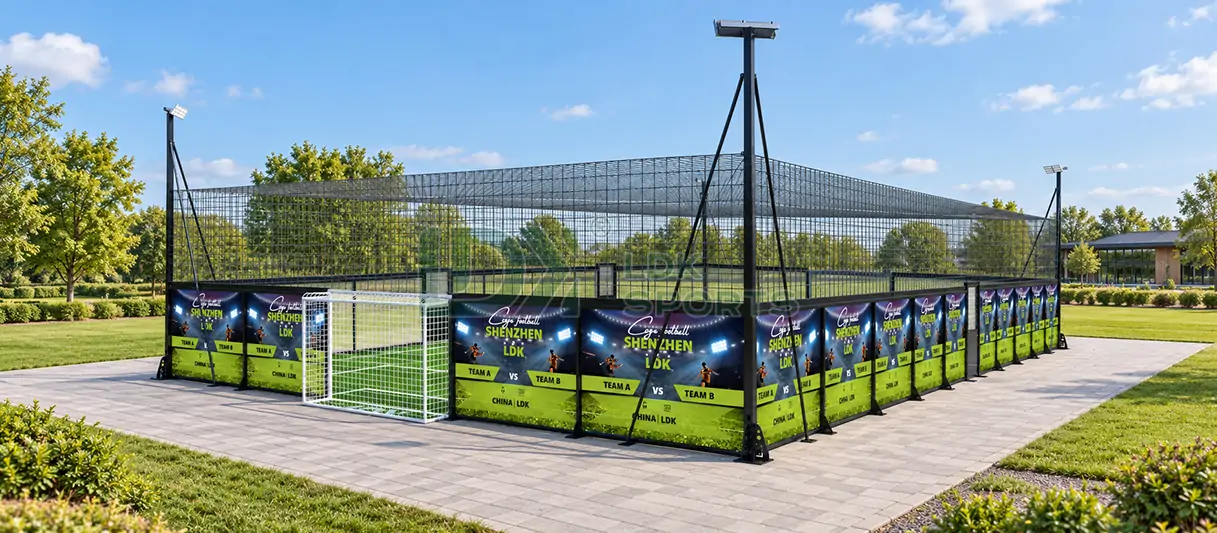
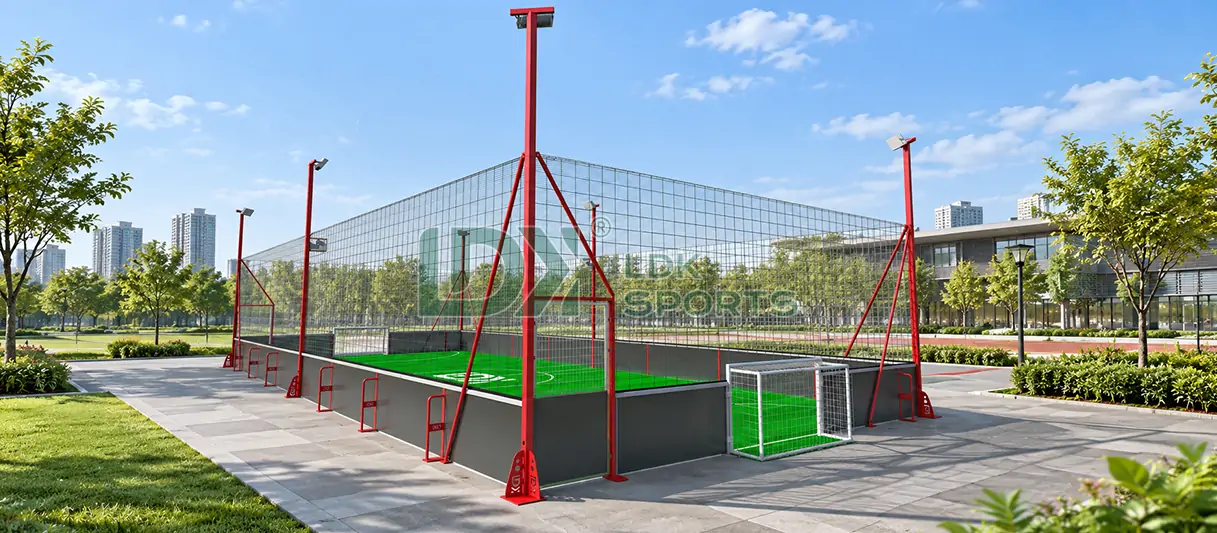
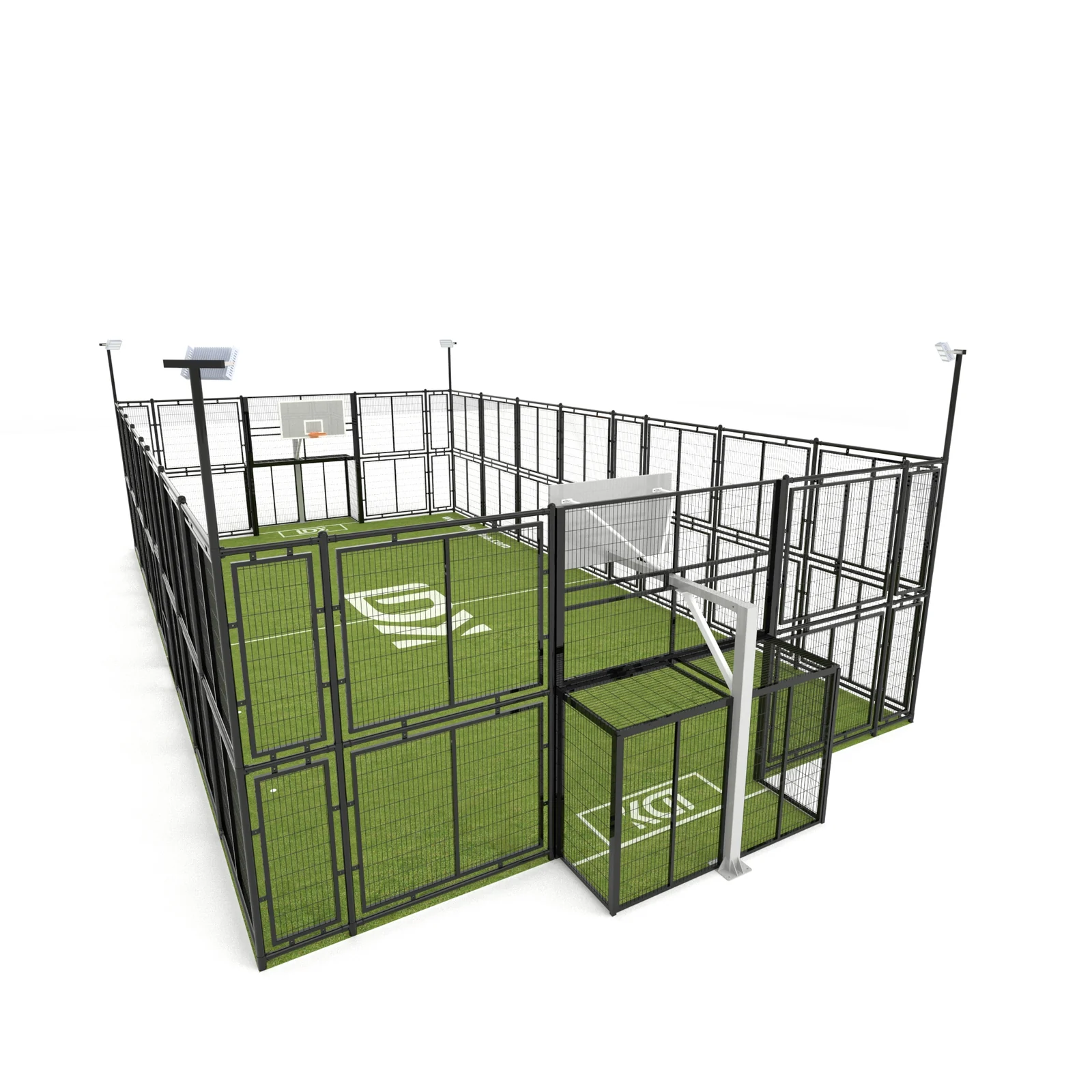
A cage football system designed for public use may include protected steel structures, artificial turf, lower impact panels, tensioned side netting and integrated lighting. These elements should not be treated as isolated product features. Together, they influence maintenance needs, player safety and the overall usability of the site.
For example, galvanized and powder-coated steel may help improve corrosion resistance in outdoor environments. Protective lower panels and optional padding can help reduce contact risks in high-use areas. Artificial turf and durable netting should be selected according to the expected intensity of play, the age of users and the maintenance plan for the venue.
The result is a more practical approach to sports-facility planning: specify the system around the real operating conditions of the site rather than selecting solely on a low initial quotation.
What Project Teams Should Evaluate
Before selecting a cage football system, public buyers and facility operators should assess several project-specific factors:
• Available space and pitch layout
• Outdoor weather conditions, including wind, humidity and corrosion exposure
• Expected number of users and intensity of daily play
• Age groups and safety requirements
• Turf, netting and structural material specifications
• Lighting needs for evening use
• Access control, gates and site supervision
• Drainage, installation responsibilities and long-term maintenance
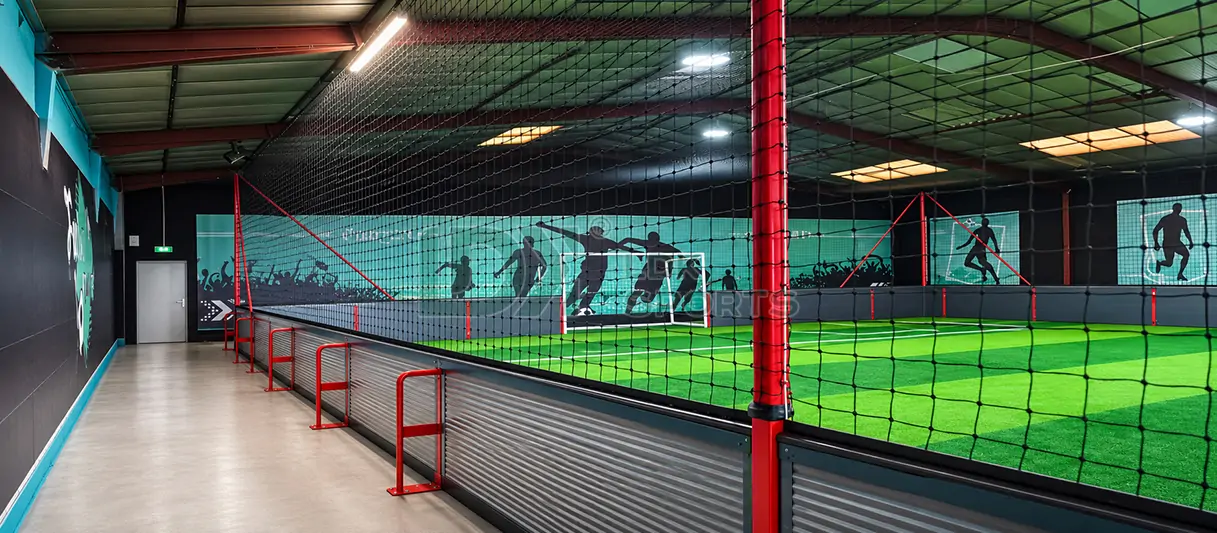
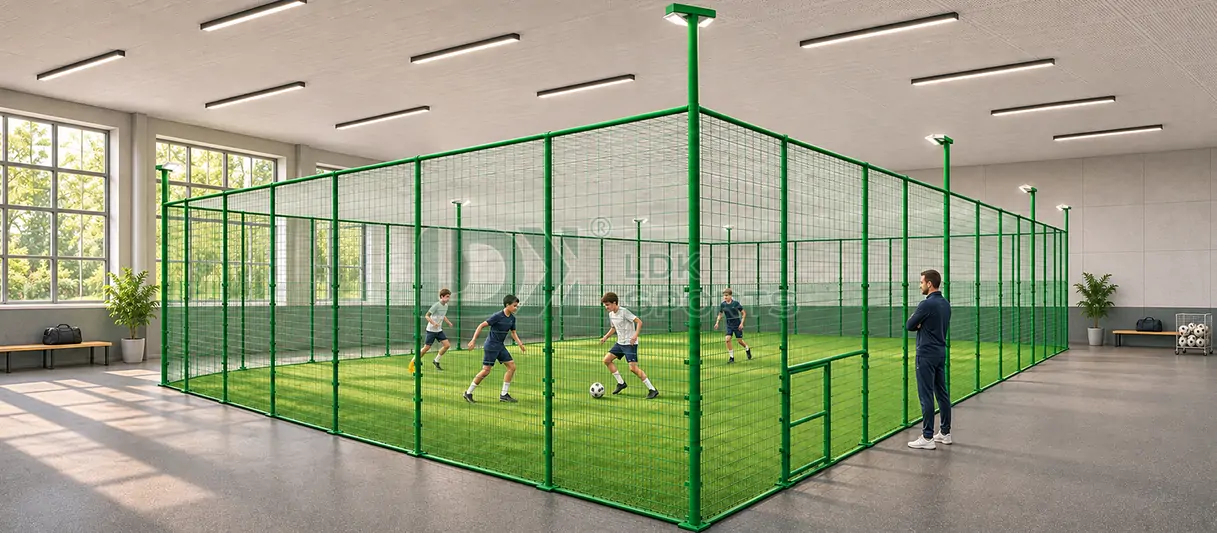
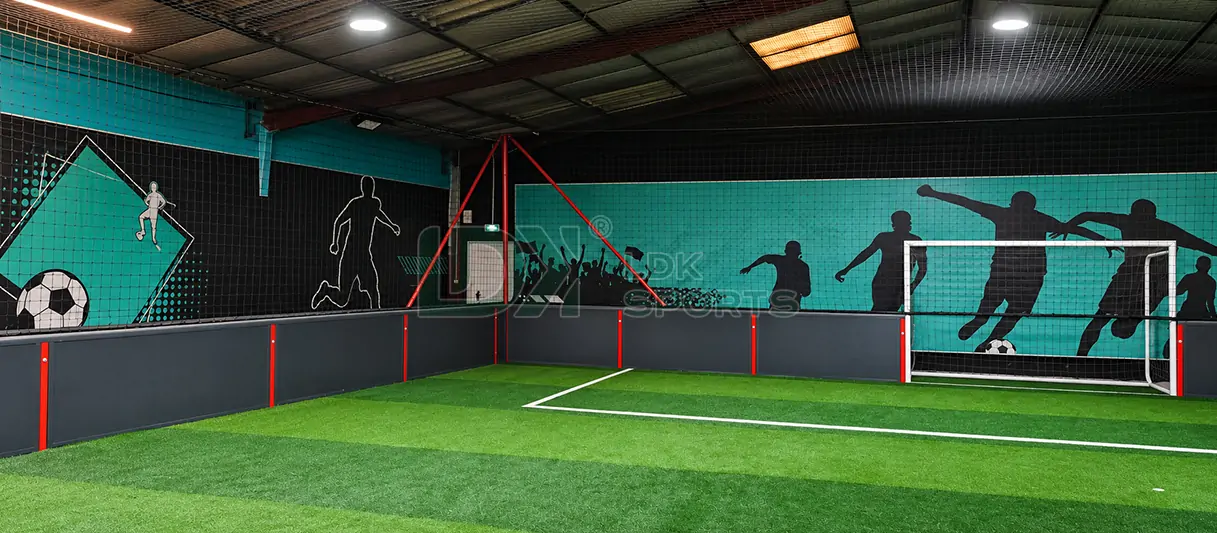
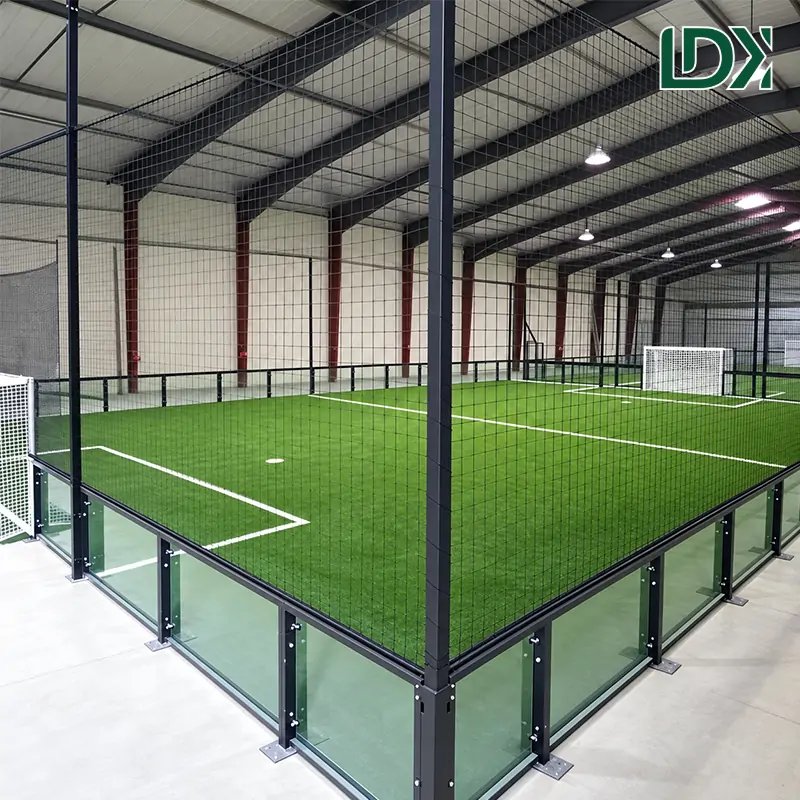
Indoor and outdoor projects may use a similar small-sided football format, but their requirements can differ significantly. Outdoor facilities may need additional protection against weather and corrosion, while indoor venues may focus more on ceiling height, lighting layout and integration with the surrounding building.
A successful installation is therefore not defined by a single specification. It depends on whether the facility is matched to the site, the user group and the operator’s long-term responsibilities.
The Broader Opportunity for Public Recreation
Compact cage football pitches are becoming a practical option for organizations seeking to expand access to sport without requiring the land area of a full-size football field.
For municipal parks, schools, youth academies and commercial recreation spaces, the format can support training, informal games, after-school activities and community programming. When planned carefully, it can turn a constrained site into a more active and accessible public amenity.
The key takeaway is simple: a cage football pitch should be viewed as a long-term public asset, not just a piece of sports equipment. The strongest projects combine a durable physical system with a clear plan for safety, operation and maintenance.
FAQ
Is cage football suitable for public parks and schools?
Yes. Cage football can be suitable for parks, schools and community recreation areas when the design is matched to the expected users, supervision arrangements and local safety requirements.
Can a cage football pitch be installed in a small area?
Yes. Compact five-a-side layouts are often considered for limited or underused spaces where a full-size football field is not feasible. Final dimensions should be confirmed according to the site plan and intended use.
Is an enclosed football pitch suitable for outdoor use?
Yes, provided the structural materials, surface system, netting and corrosion protection are specified for the local outdoor environment. Coastal, high-humidity and high-wind locations may require additional consideration.
What should be included in a cage football project quotation?
A complete quotation should clarify the field dimensions, steel structure, corrosion treatment, turf, netting, goals, lighting, gates, installation scope, technical drawings and any optional safety components.
Can the system include lighting and safety padding?
Many projects can include integrated LED lighting, protective lower panels and optional padding for high-contact areas. The final configuration should reflect the project’s user profile and operating conditions.
Plan Your Cage Football Project
If you are planning a public, educational, commercial or community football facility, our project team can help you evaluate the right cage football configuration for your site.
Contact us to request:
A tailored field layout and preliminary project recommendation
Technical specifications for structure, turf, netting and lighting
Installation guidance and project-support information
A detailed quotation based on your site requirements
Build a more practical, durable and accessible football space for your community.