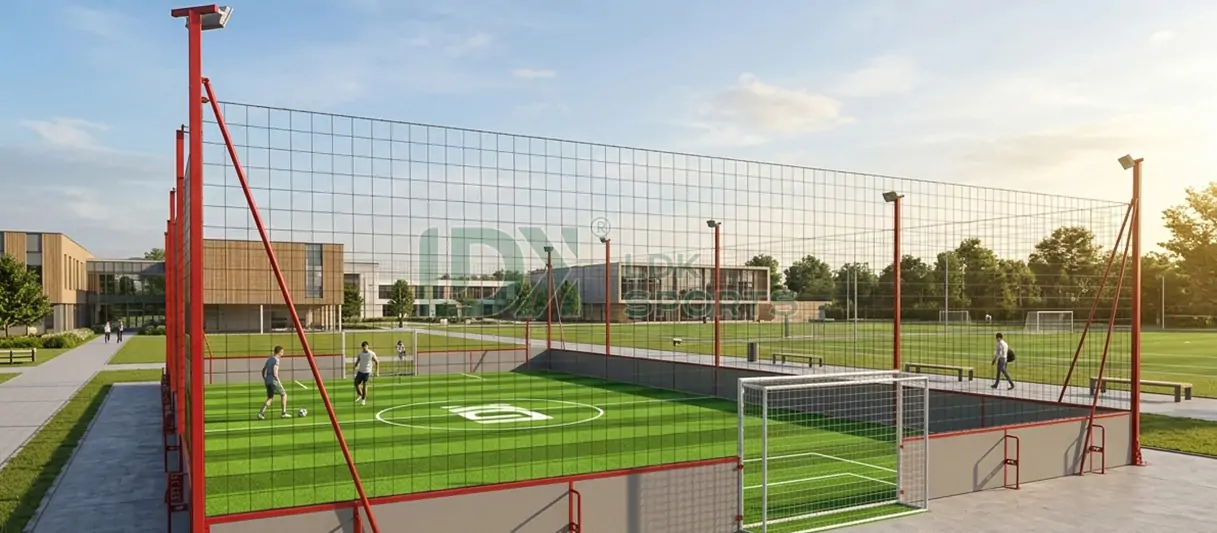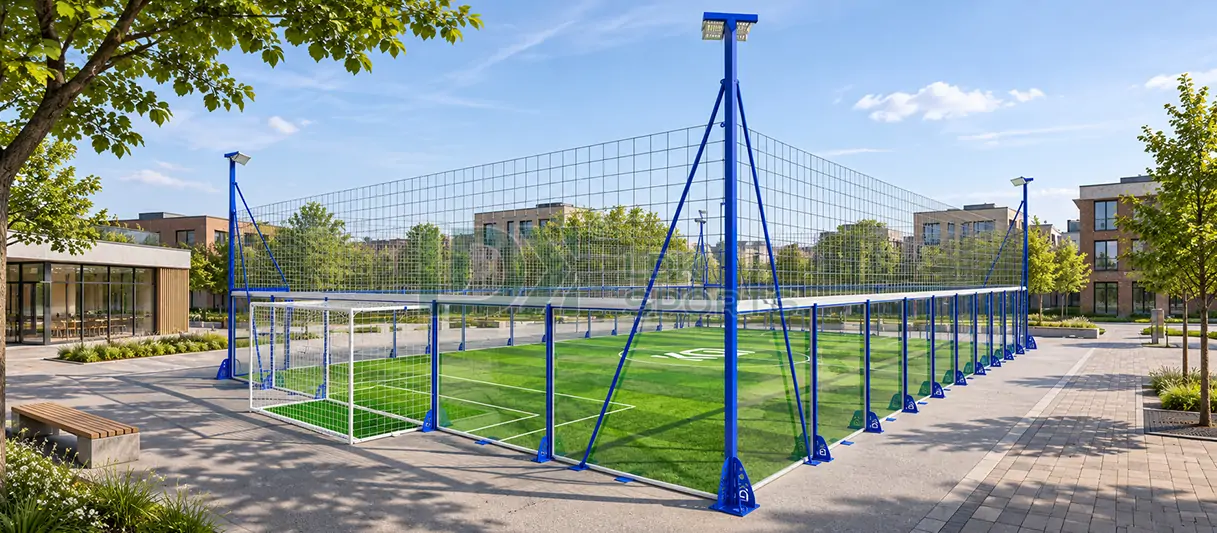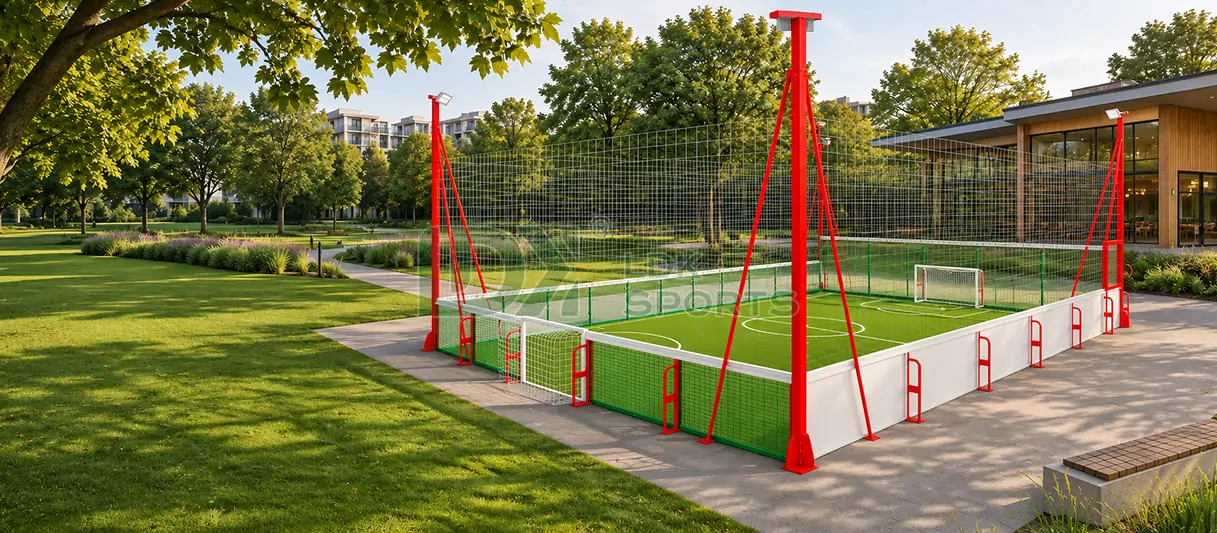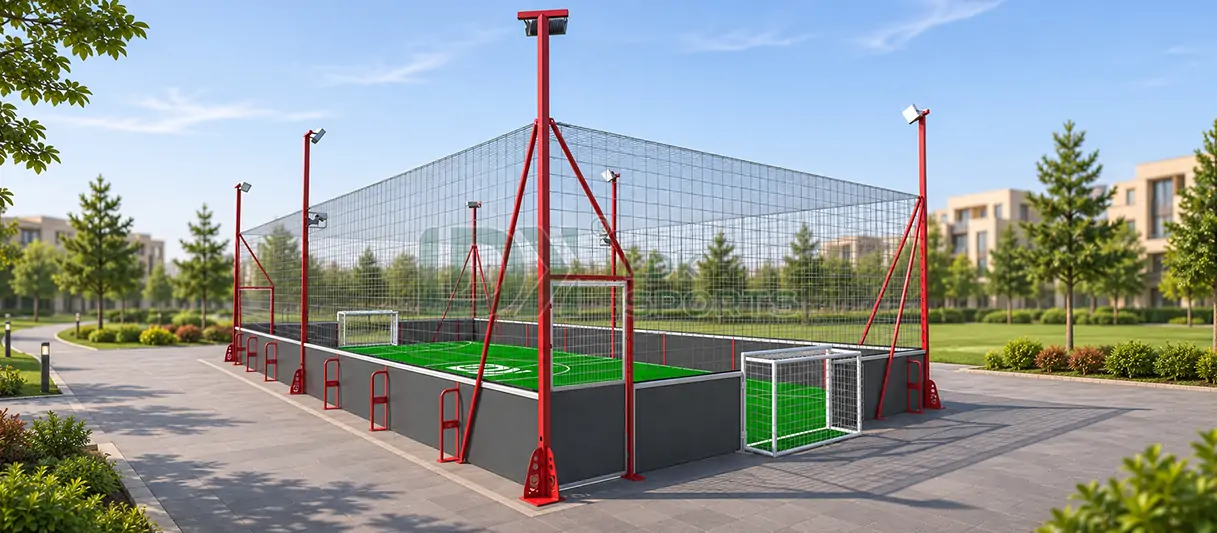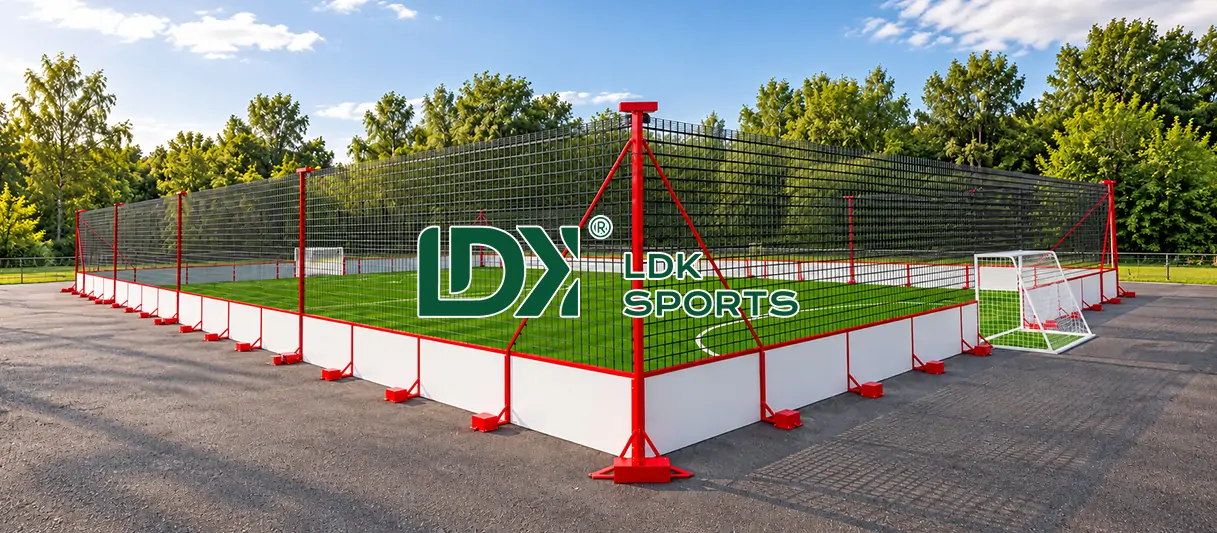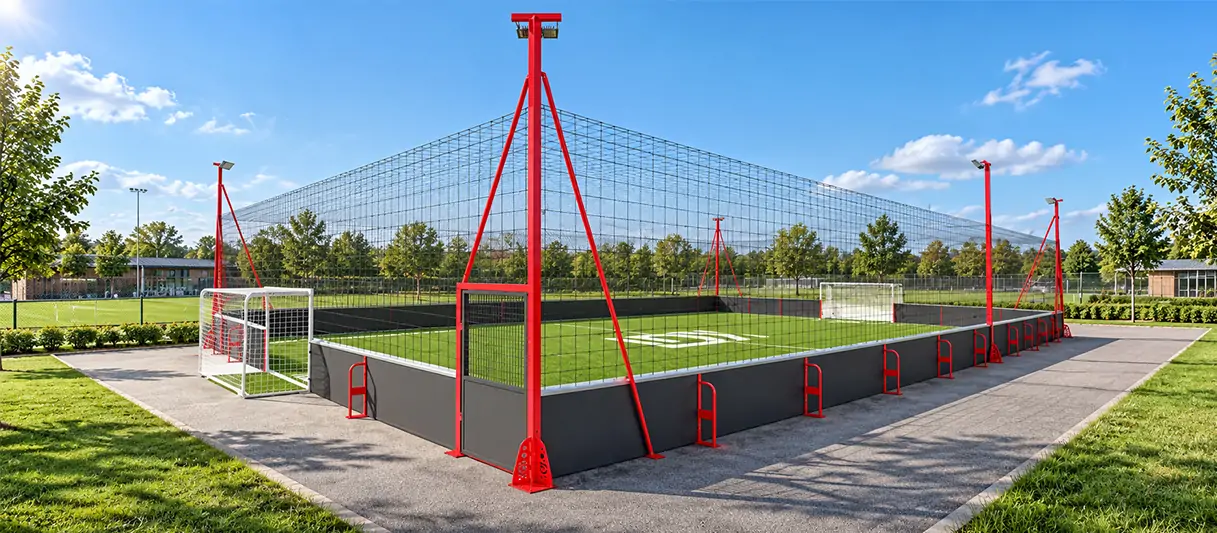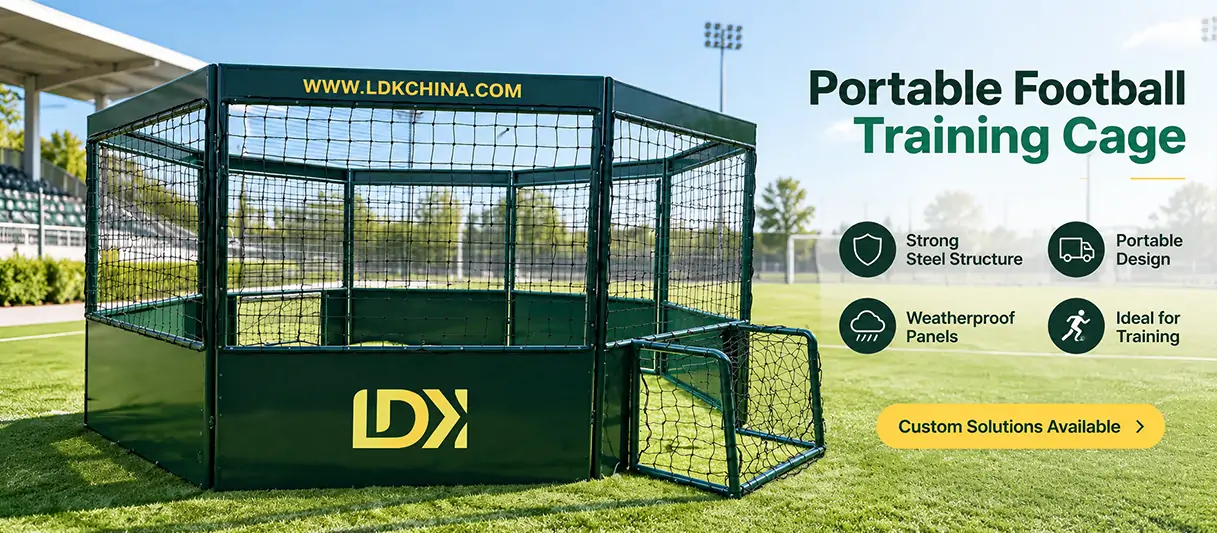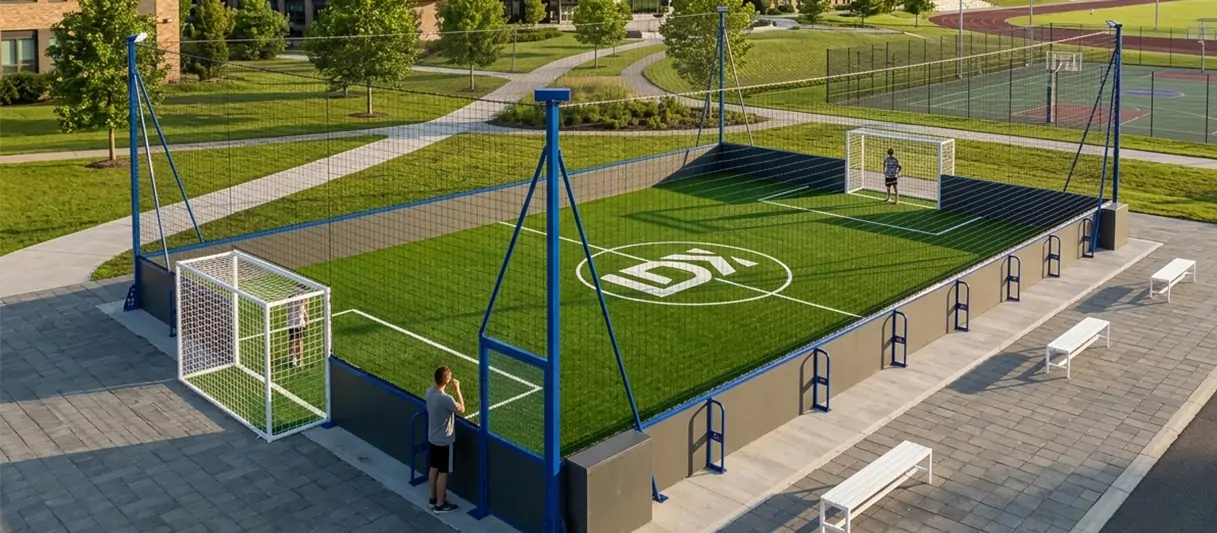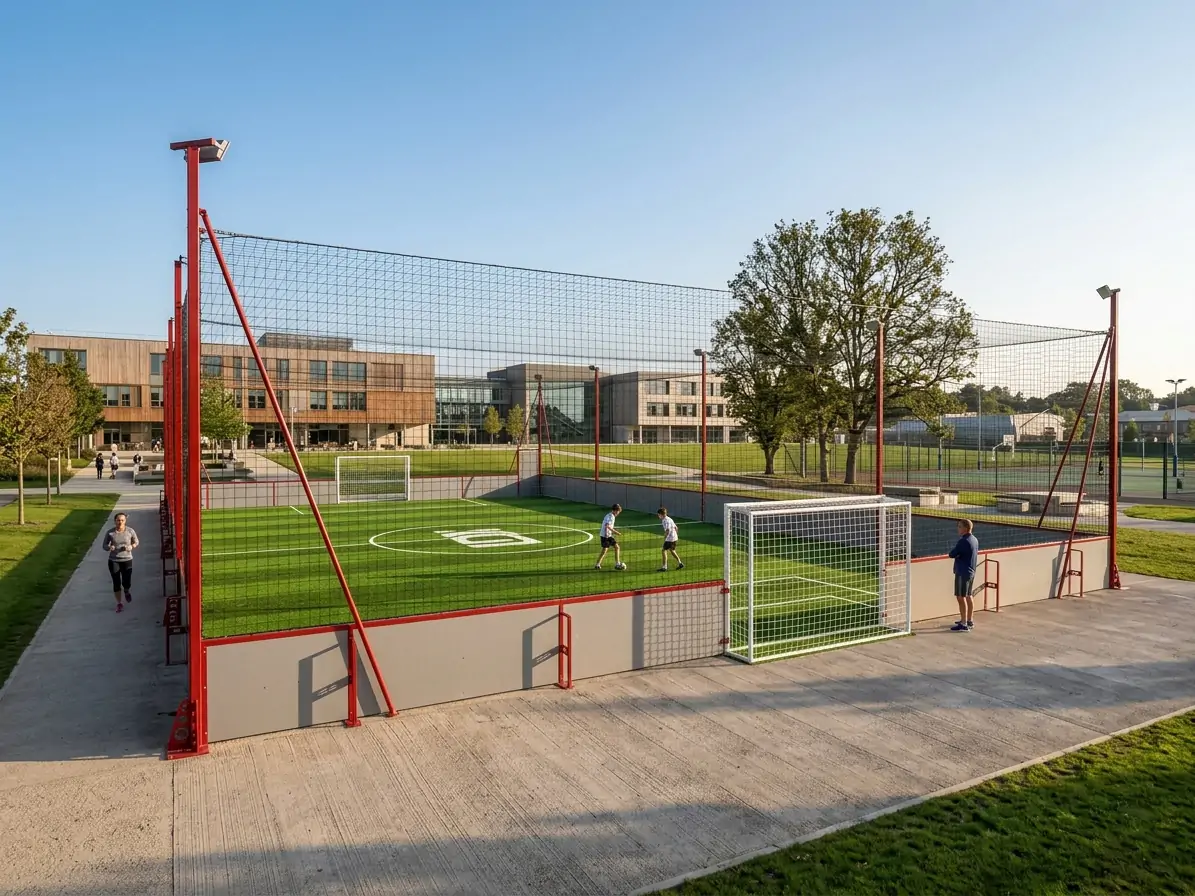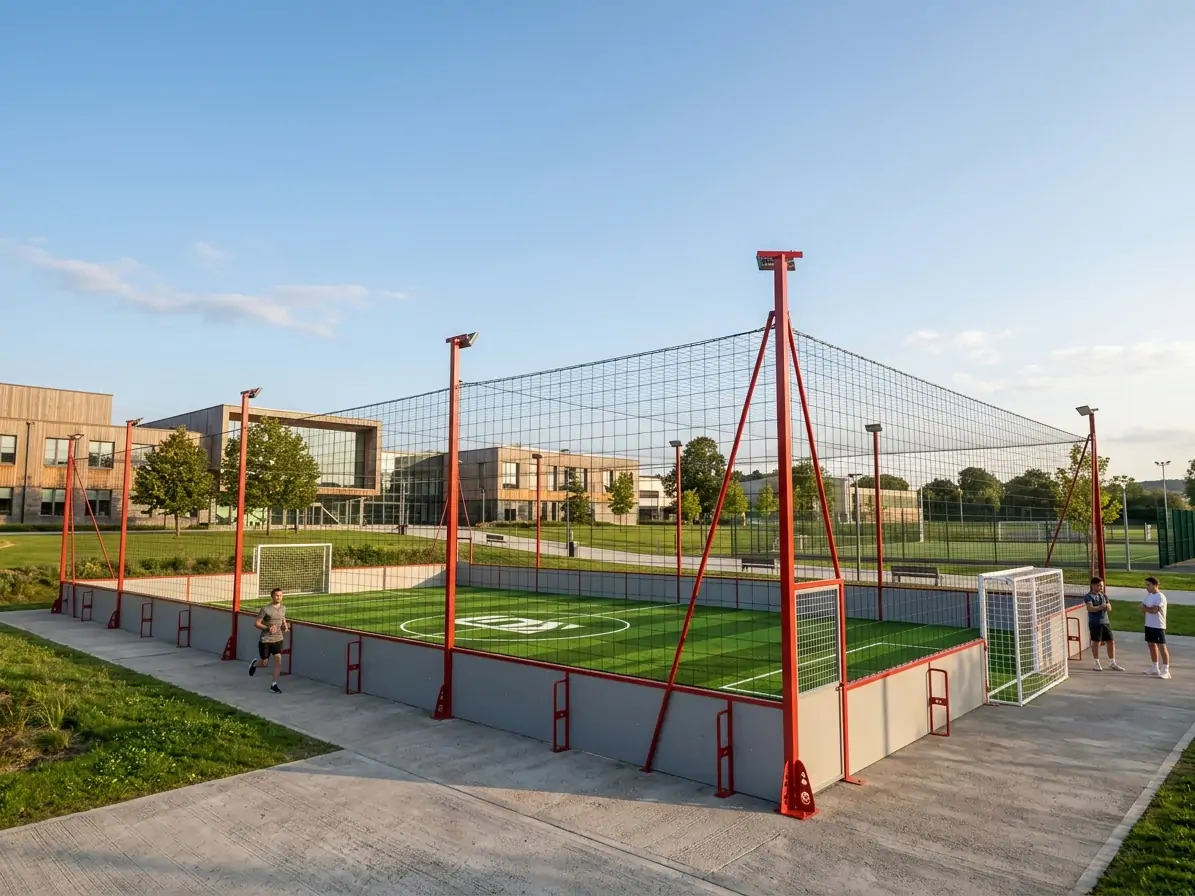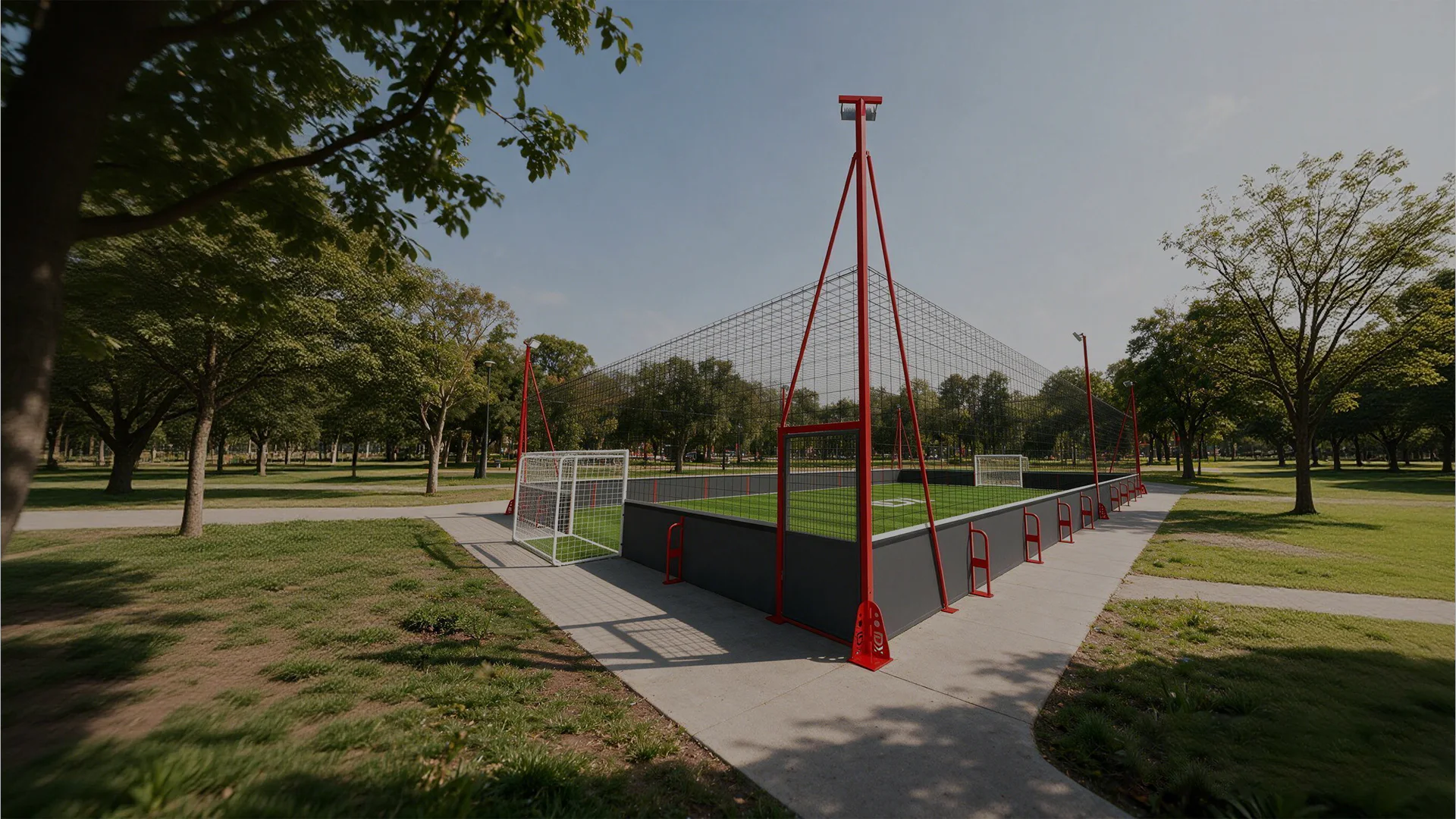
Cage-style facilities are giving parks, schools, and community developers another way to add football where land is limited.
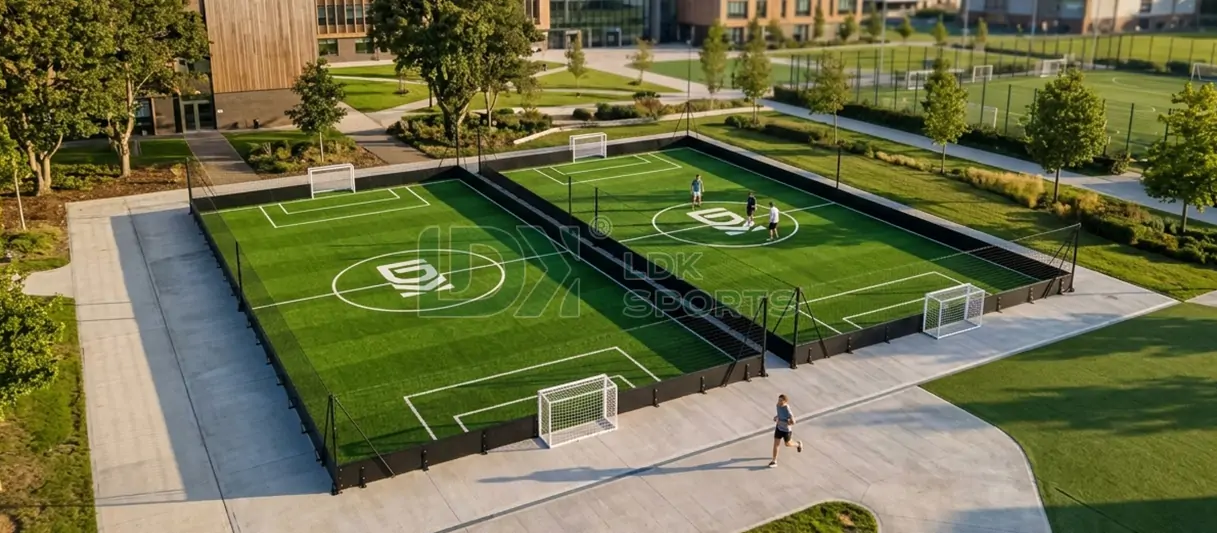
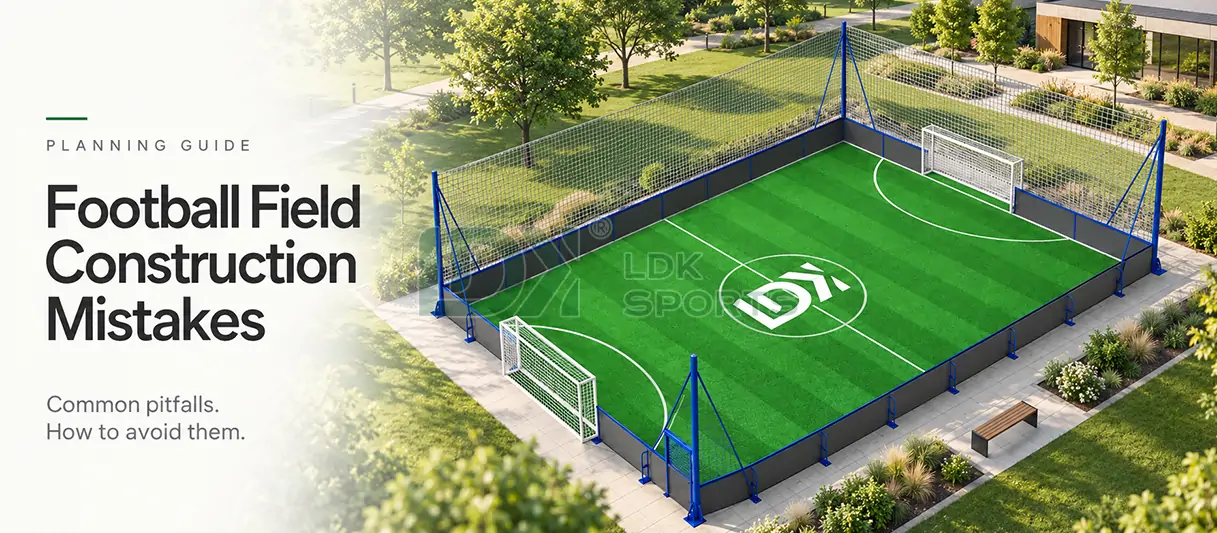
Finding room for a full-size football field can be difficult in dense urban areas. A compact cage-style pitch offers a different approach: it creates a defined space for small-sided games on sites that might otherwise be too small or awkwardly shaped for traditional sports facilities.
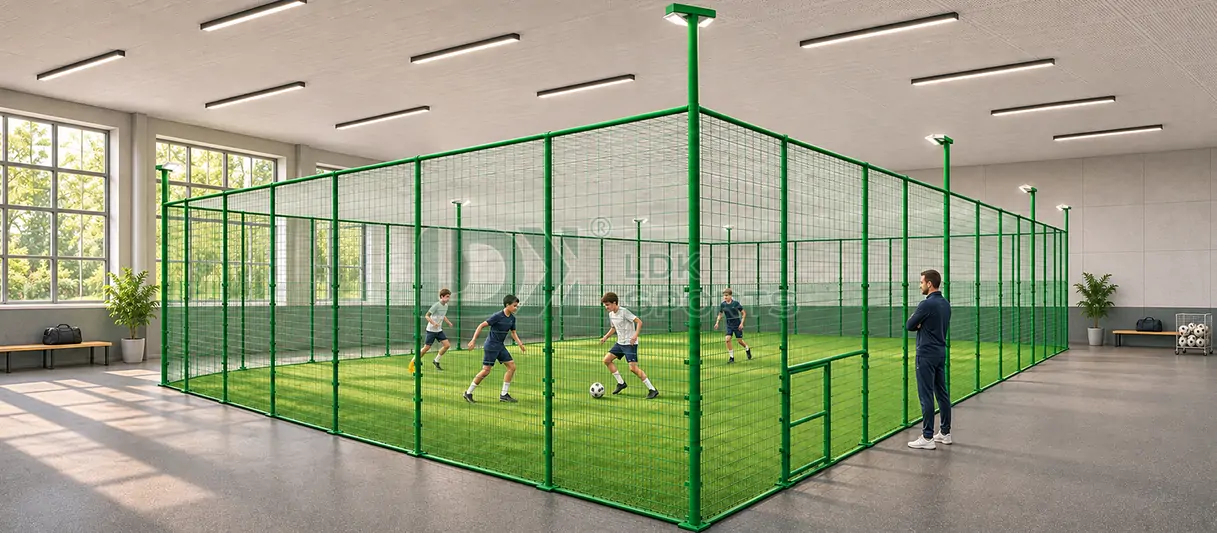
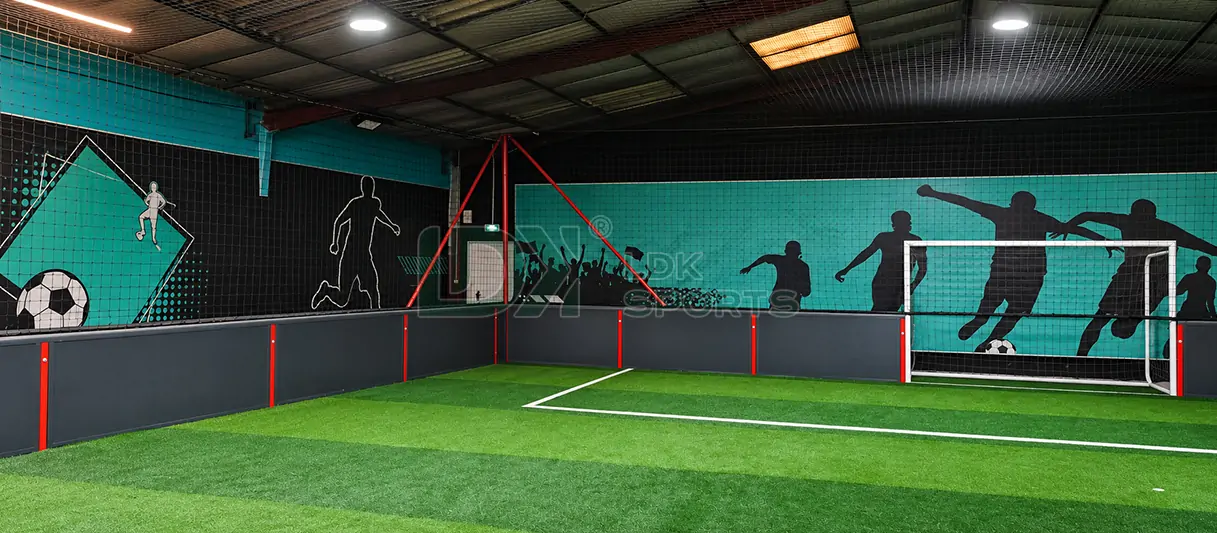
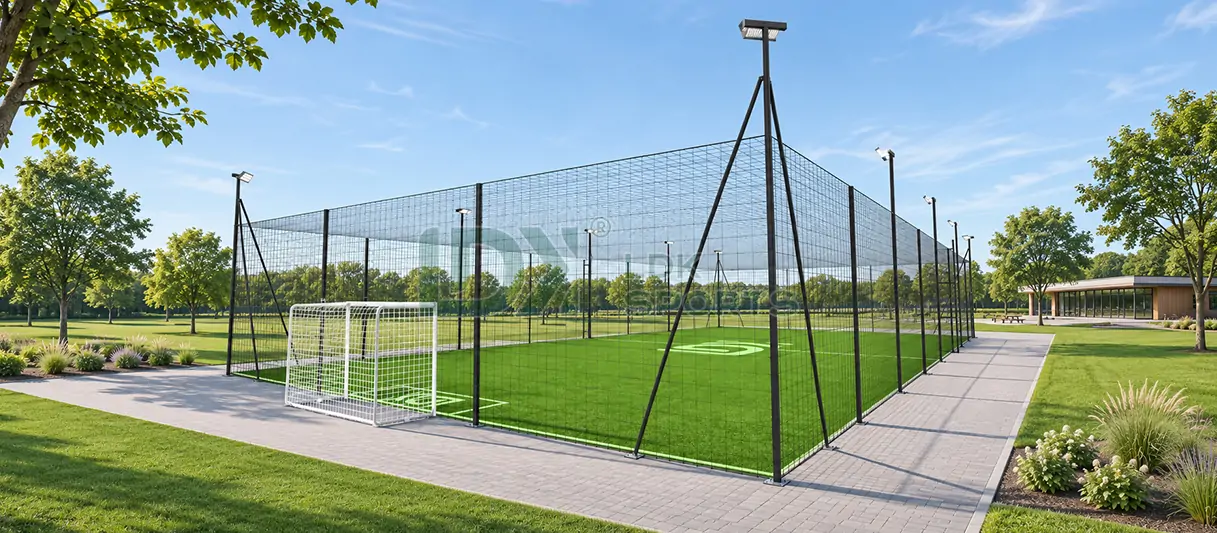
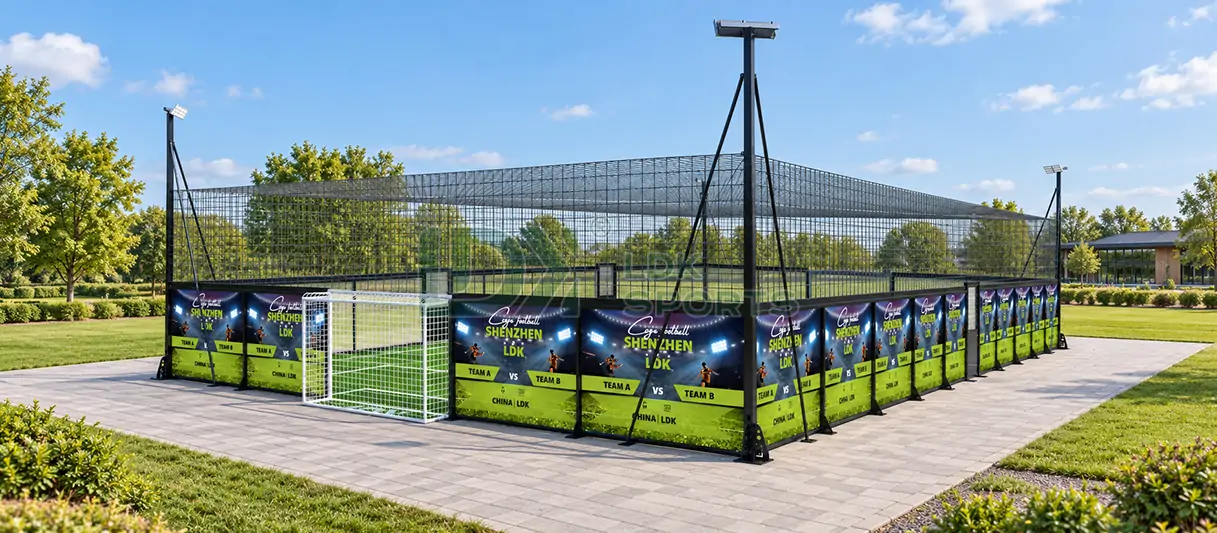
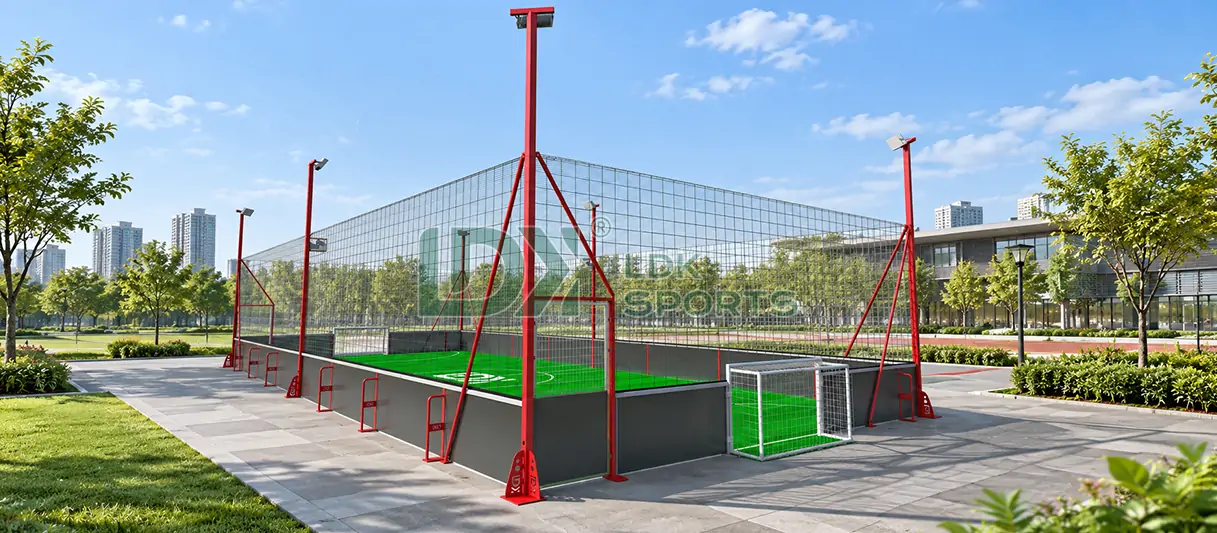
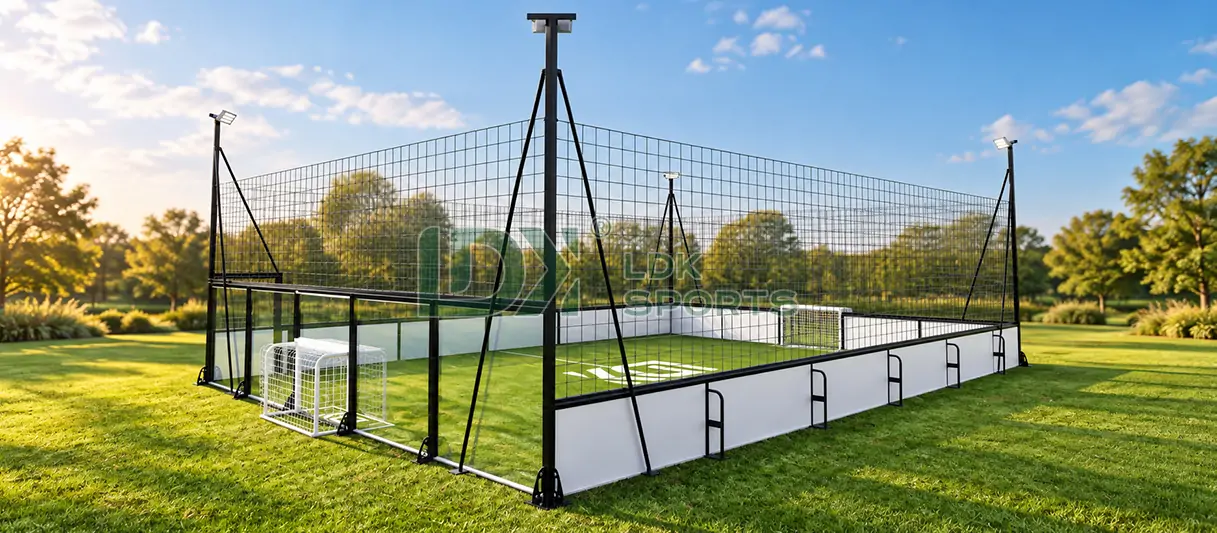
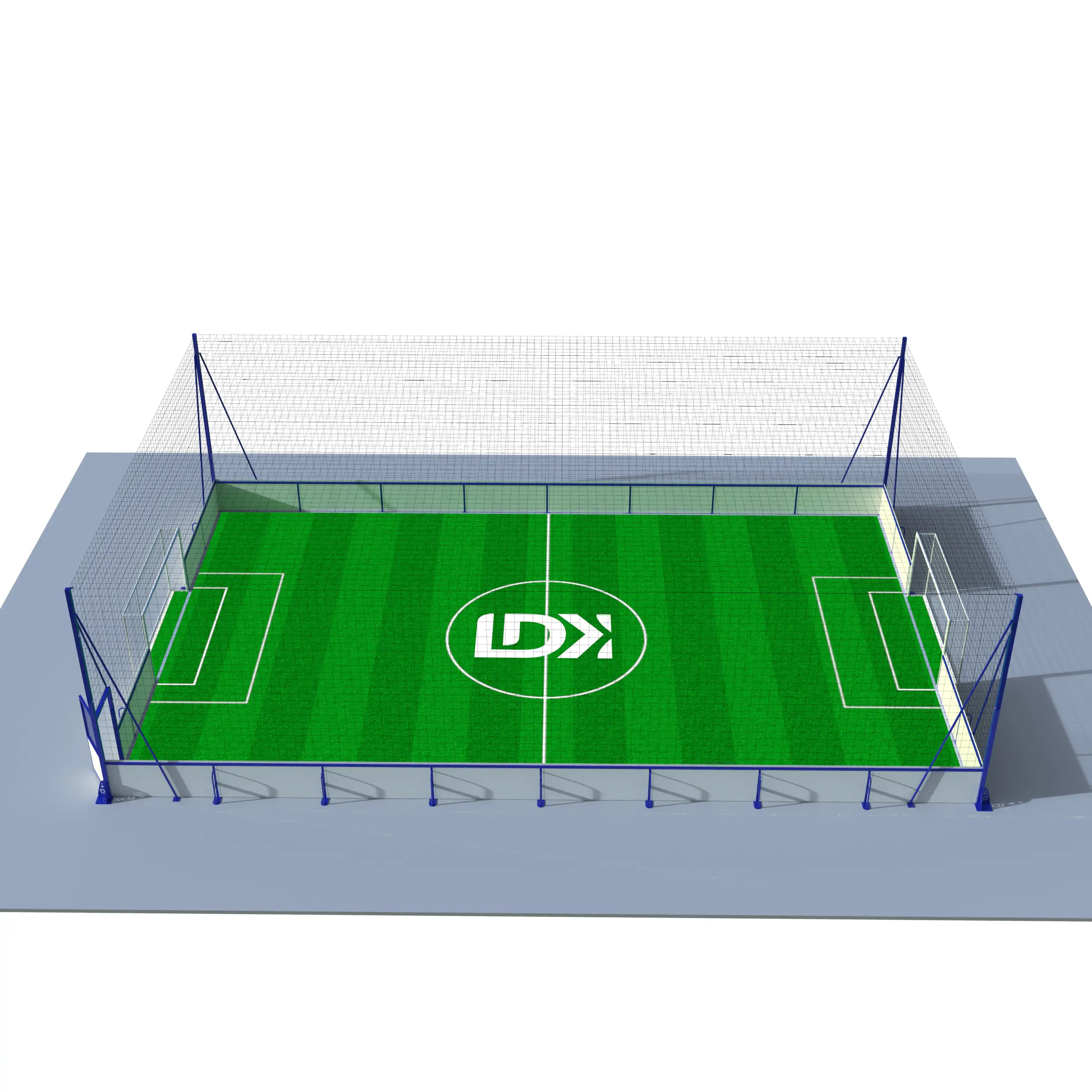
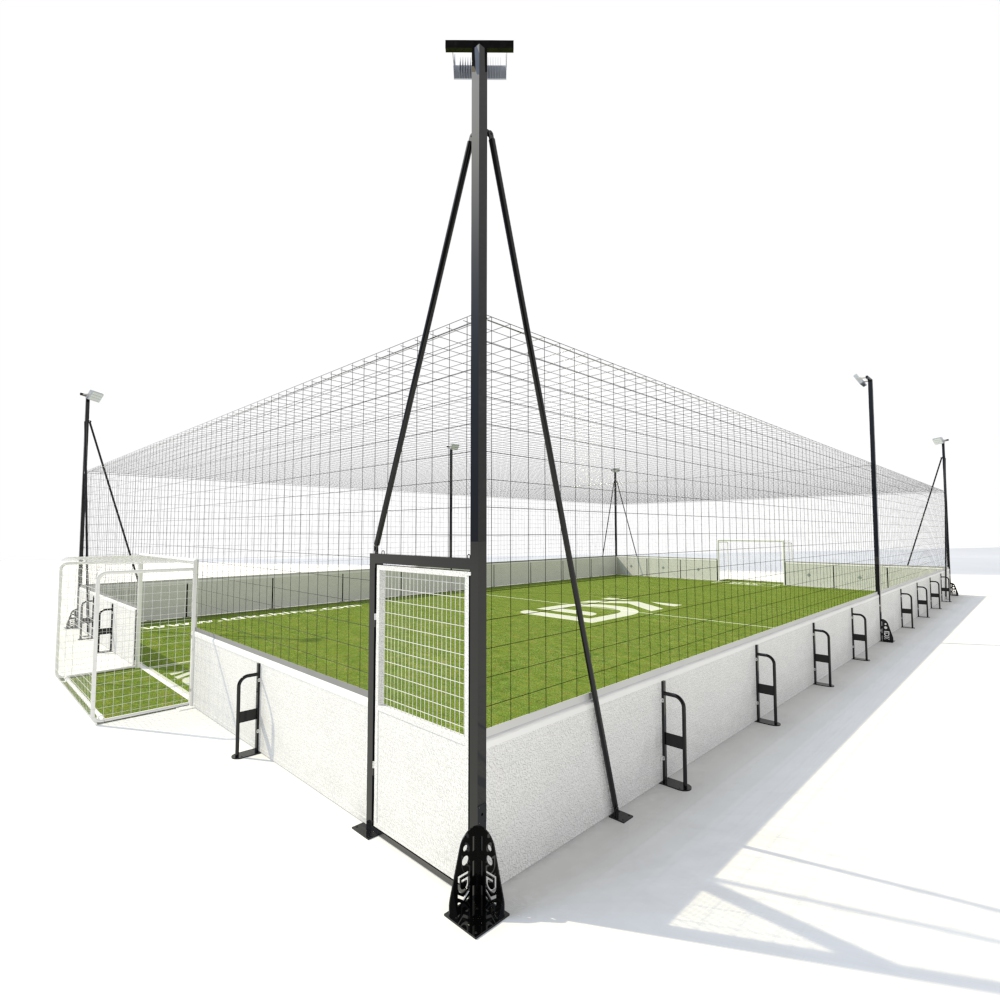
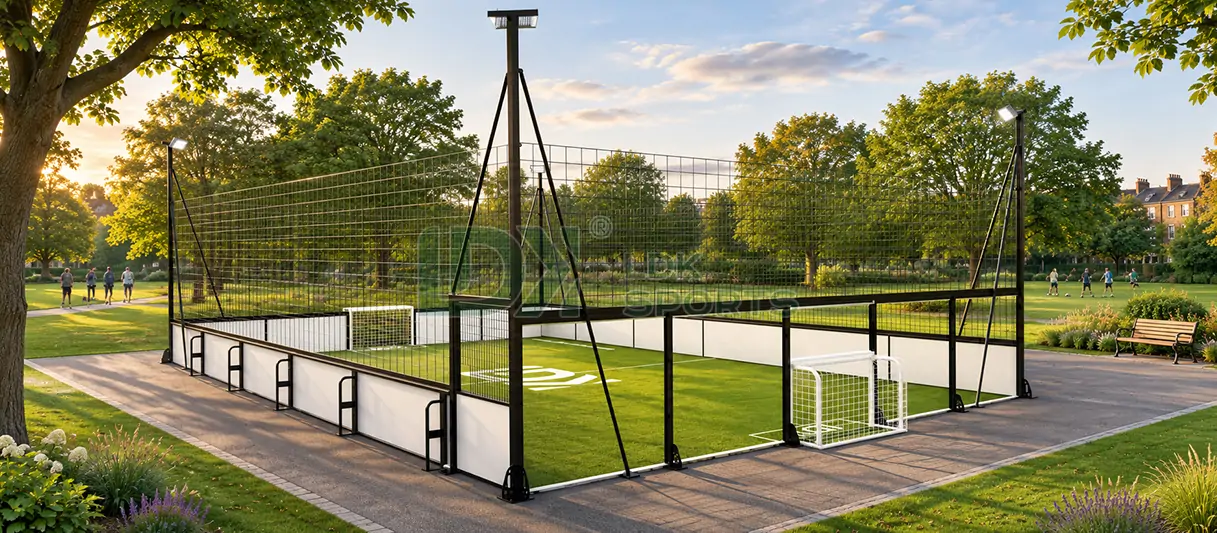
The format combines a playing surface with perimeter barriers and overhead netting. By keeping the ball within the enclosure, it can reduce interruptions and make games easier to run in busy public spaces. The compact footprint may also suit schoolyards, neighborhood parks, and mixed-use developments where sports facilities must share space with other community amenities.
Ball containment affects the whole layout
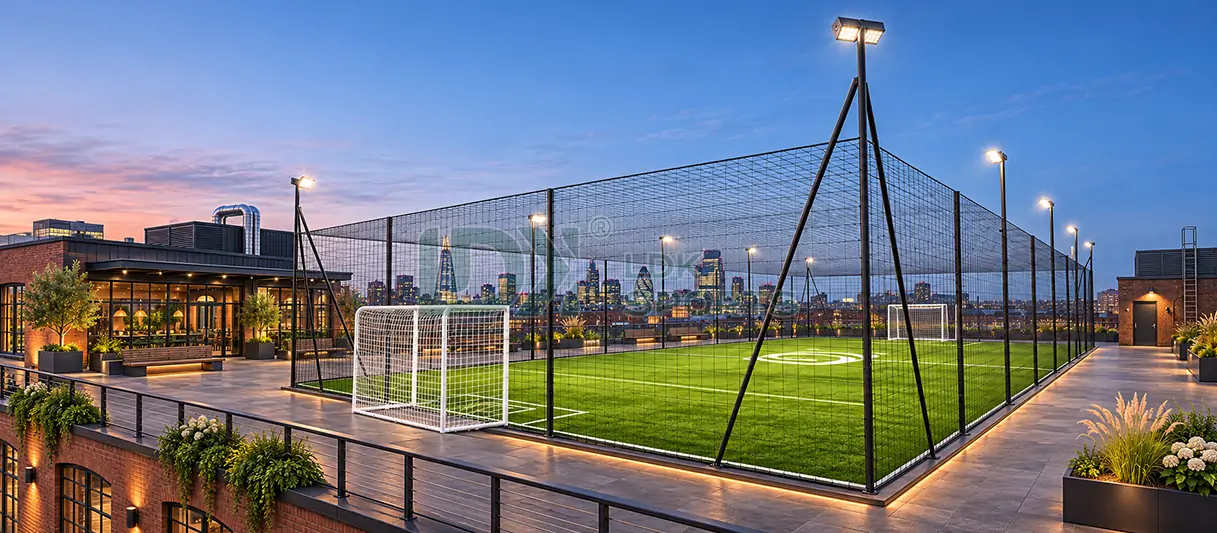
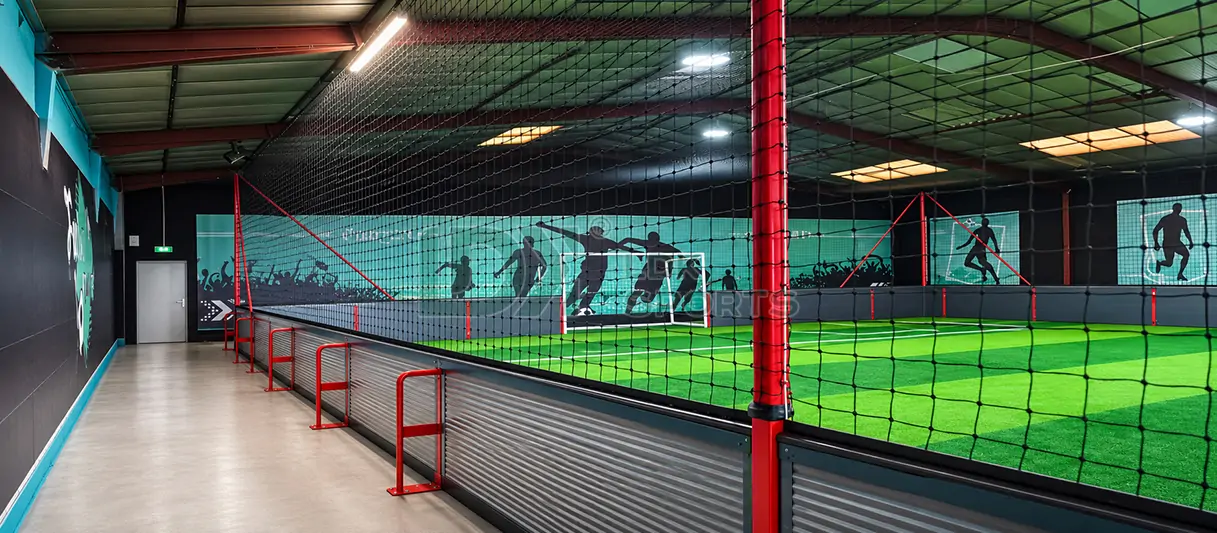
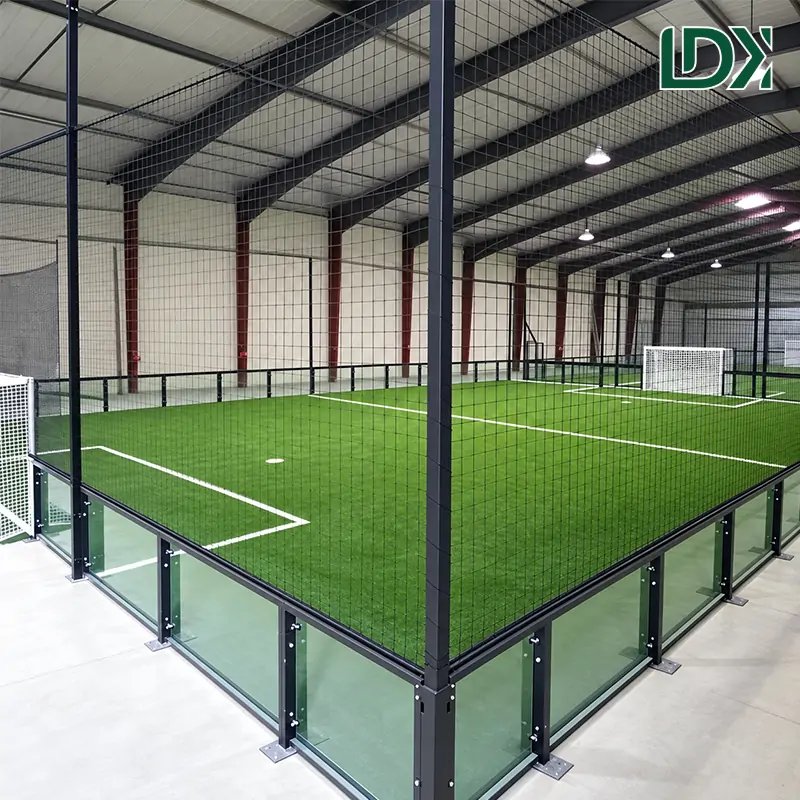
Side nets and overhead coverage can reduce interruptions when shots go wide or high. That can be useful in compact sites where a ball leaving the pitch could enter a walkway, road, or neighboring activity area.
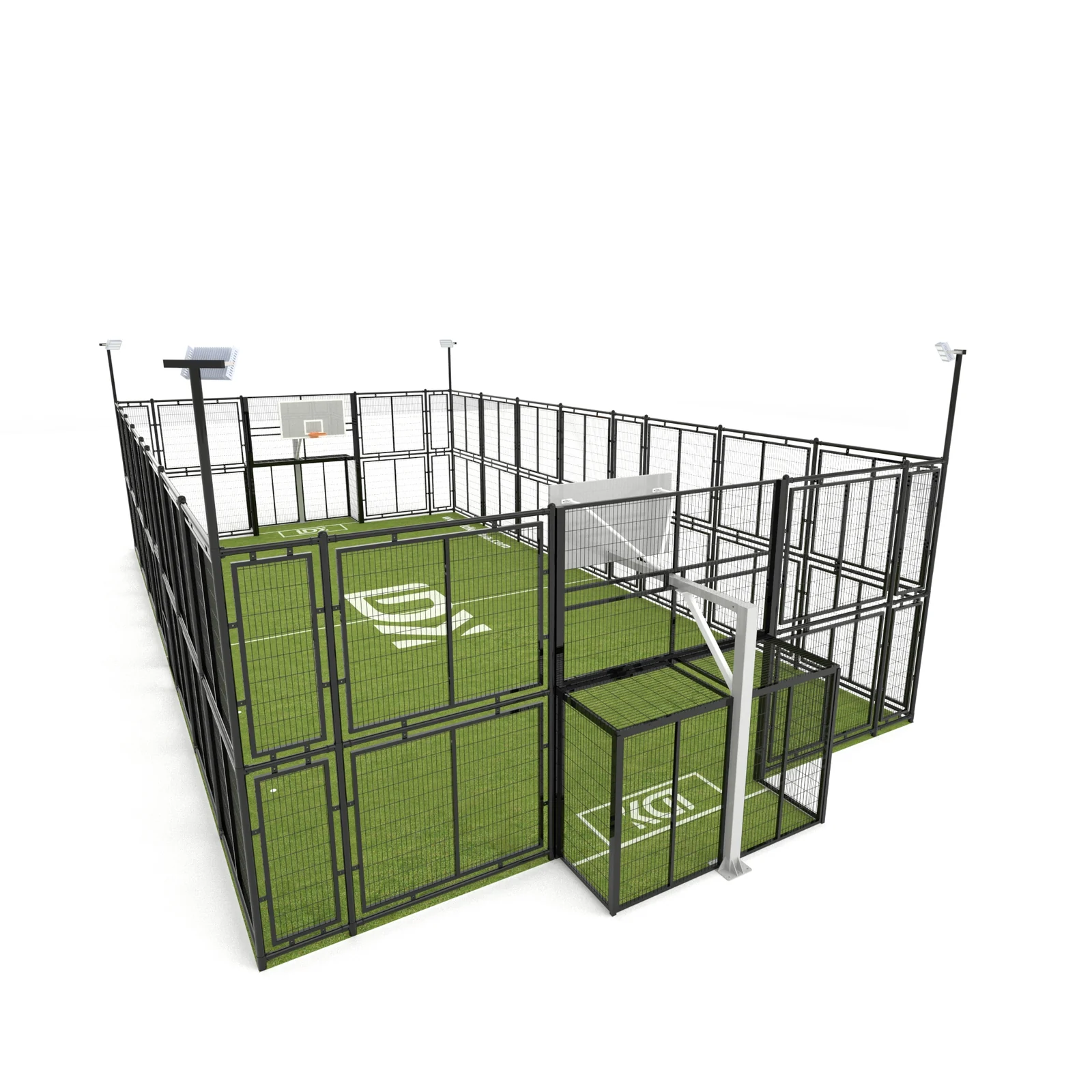
Containment also depends on the details: net height and mesh, how the net is tensioned, and where doors are placed. Access points need to be convenient for players and staff while keeping everyday movement around the pitch clear. The layout should be reviewed against the site’s paths, entrances, and nearby uses.
Impact protection deserves attention
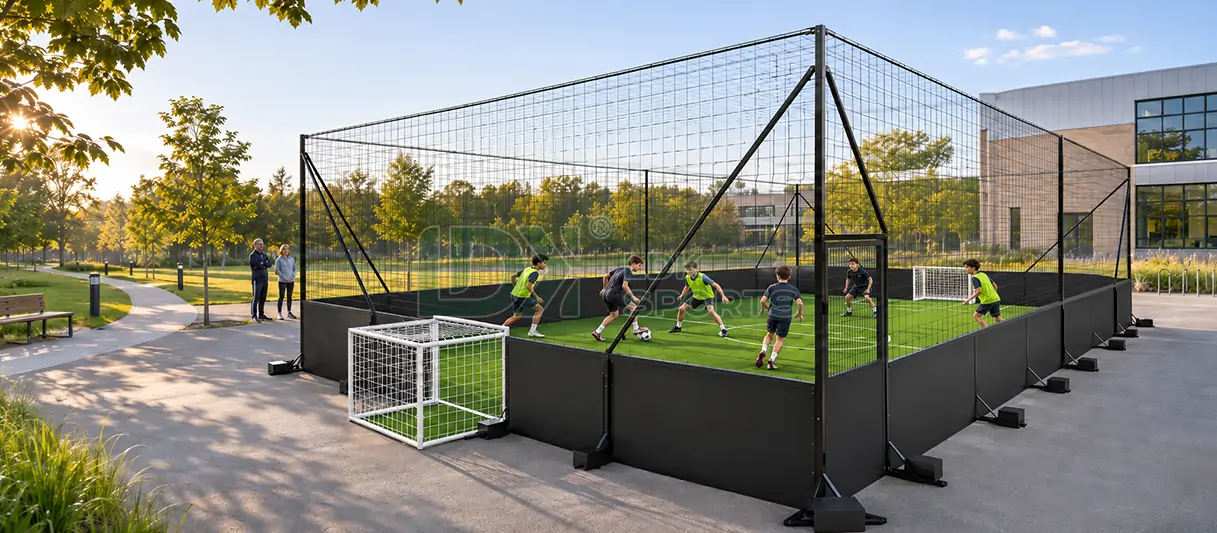
In a busy public facility, players may come into contact with goalposts, fence supports, or other rigid surfaces. Lower impact panels and padding around selected posts can help address those contact points.
The right approach depends on who will use the facility and how. A school serving younger players may have different needs from a training venue used mainly by adults. Operators should consider likely collision areas during design and confirm that the selected materials meet relevant local safety requirements.
Surface and structure face different kinds of wear
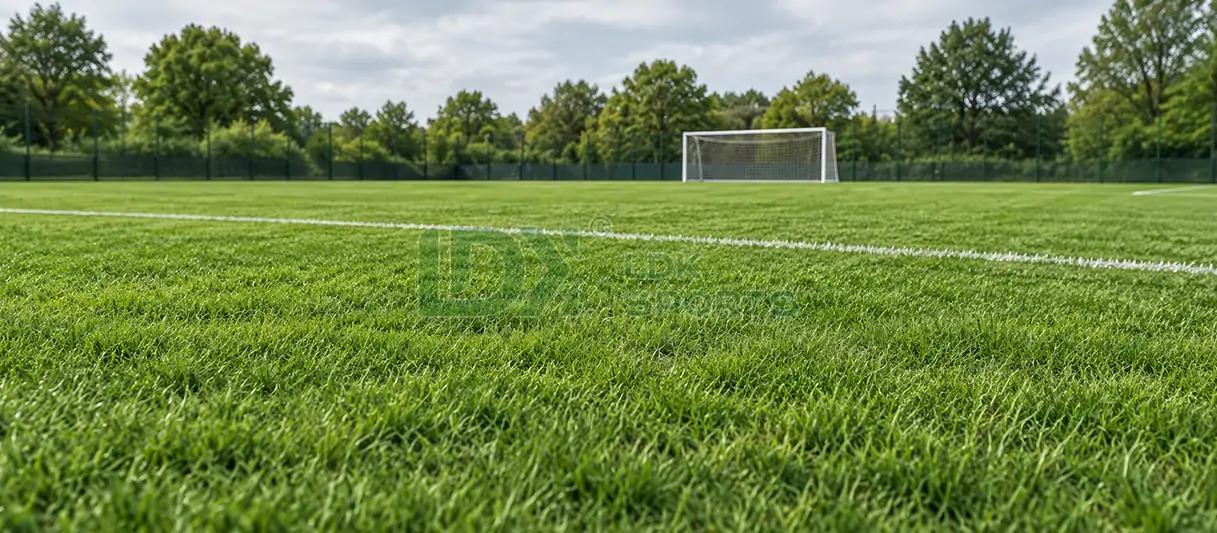
Artificial turf is exposed to repeated foot traffic, while frames, nets, and gates experience weather and regular handling. These components may age at different rates, so the maintenance plan should cover more than the playing surface.
For outdoor sites, material selection should account for local humidity, rainfall, sun exposure, and wind. Protective coatings may help steel resist corrosion, but their performance depends on the specification, installation, and ongoing inspection. Gates, net fixings, and high-use areas of turf also need routine checks.
Lighting can change operating hours
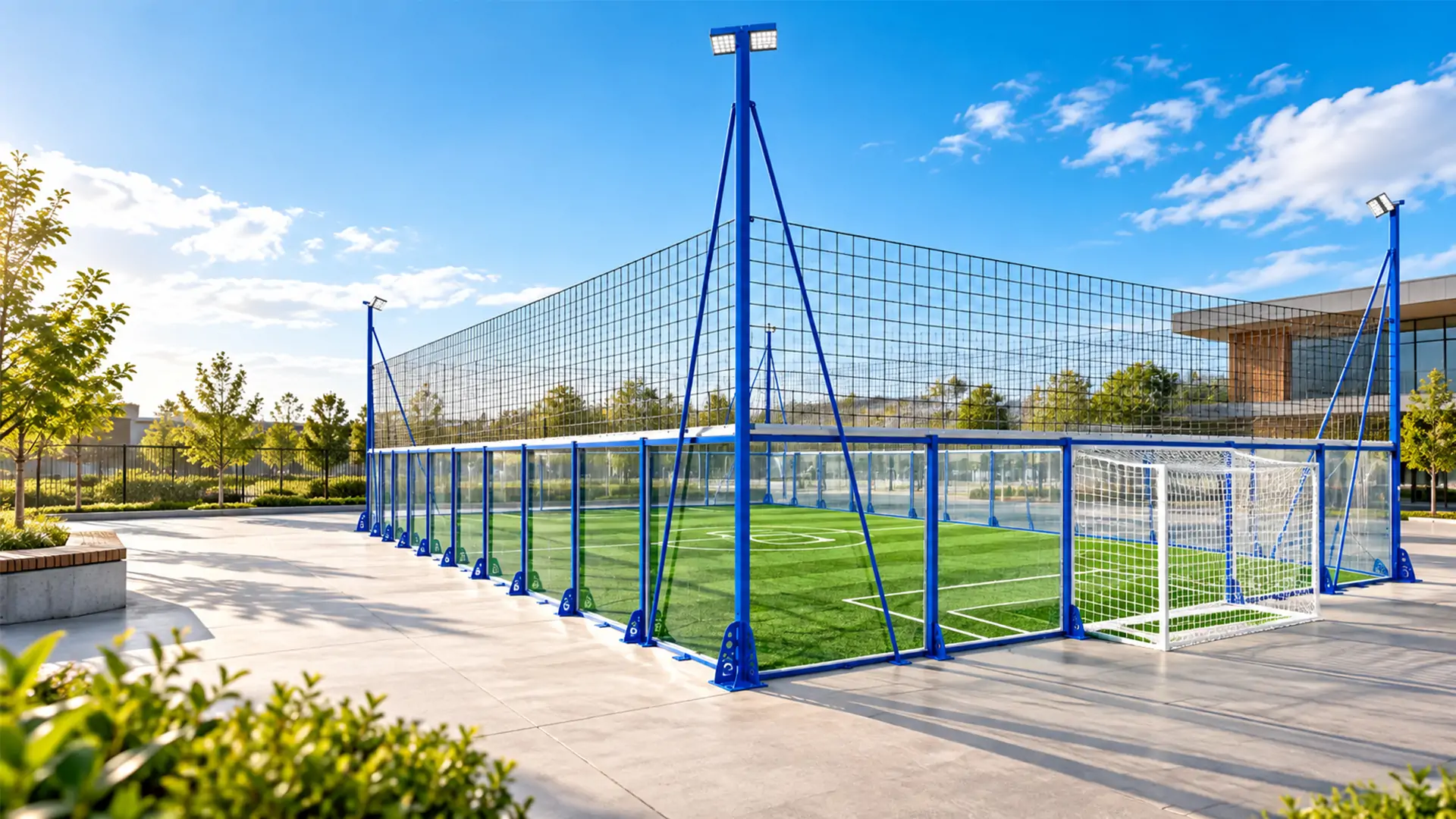
Floodlighting may allow a pitch to remain useful after daylight hours, especially during the school year or in community settings where daytime access is limited. But lighting decisions involve more than fixture selection: operators need to assess coverage, glare, energy use, and the effect on nearby homes or activities.
Setting expectations for opening hours and maintenance access early can help avoid conflicts once the facility is in use.
A successful cage football pitch is shaped by the relationship between its components and its operating environment. For public operators, planning for user needs, safety, weather, and maintenance from the beginning can make the facility easier to manage throughout its service life.