Manufacturing InsightBy LDKPublished Updated 5 min read

Global Cage Football Supplier: ROI & Delivery Guide

Cage football fields are expanding across global cities as land costs rise, but space efficiency alone does not guarantee a profitable venue. Noise control, multi-sport reuse and single-point delivery accountability often decide whether a mini soccer court becomes a durable asset or a maintenance liability. Drawing on market data and project examples from France and Belgium, this manufacturing insight examines why supplier selection is increasingly an operating decision — not just a procurement one.

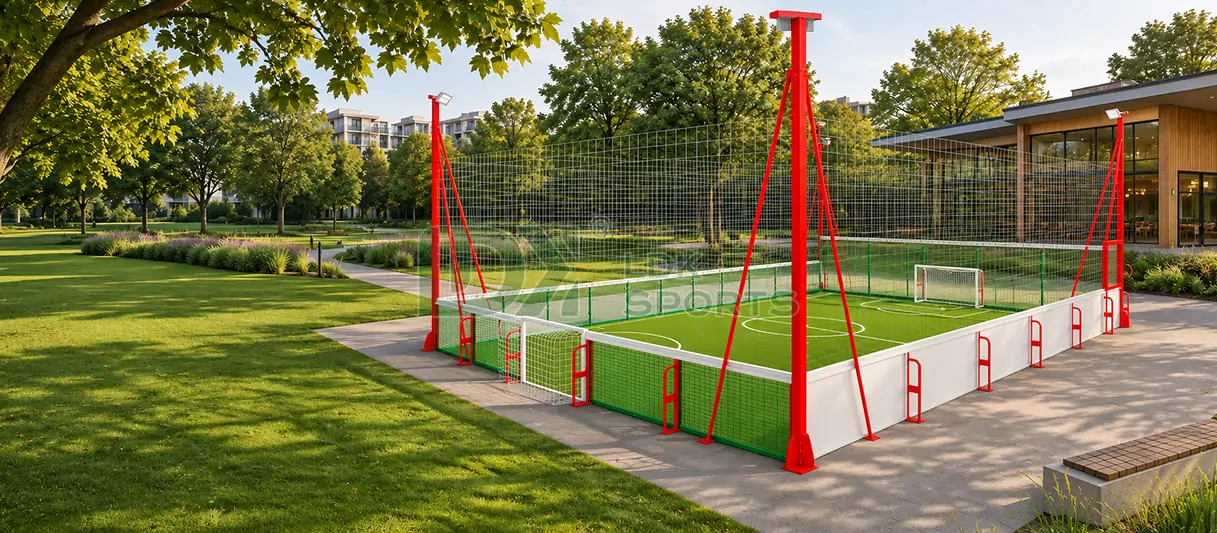
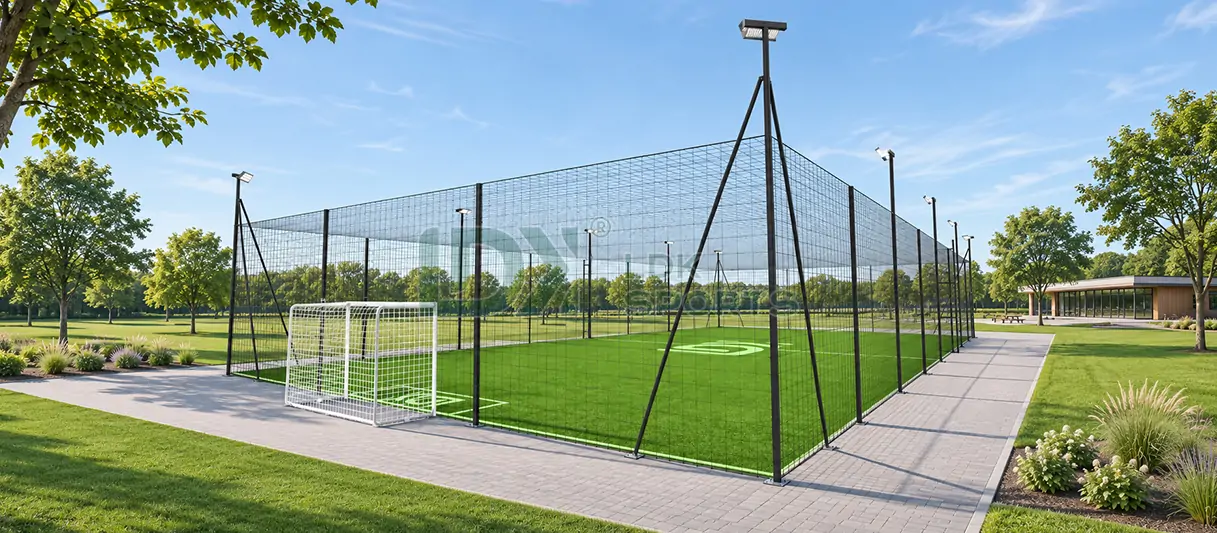
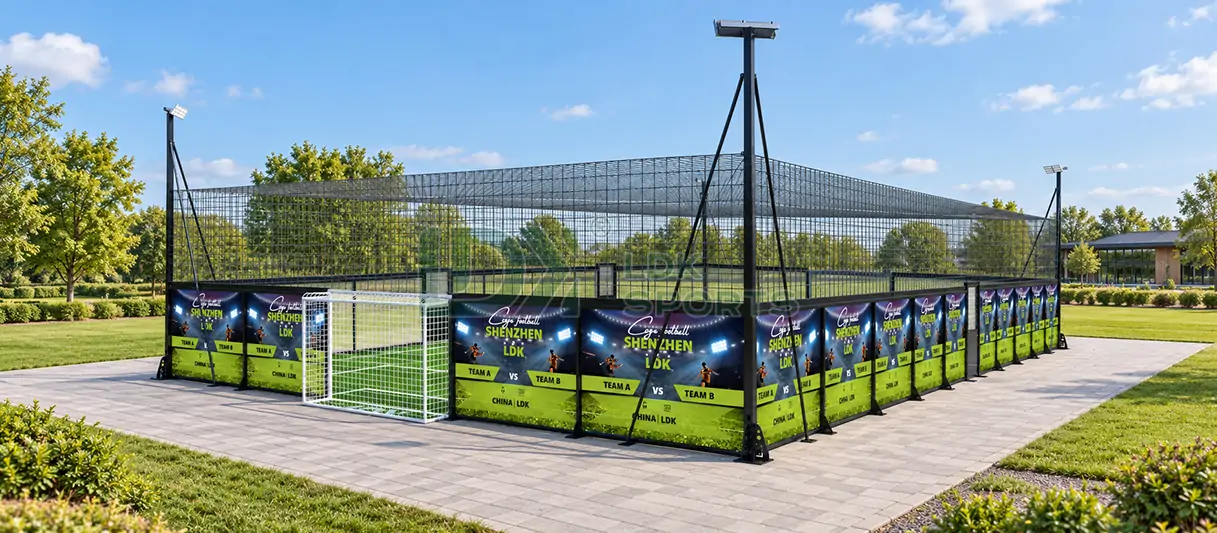
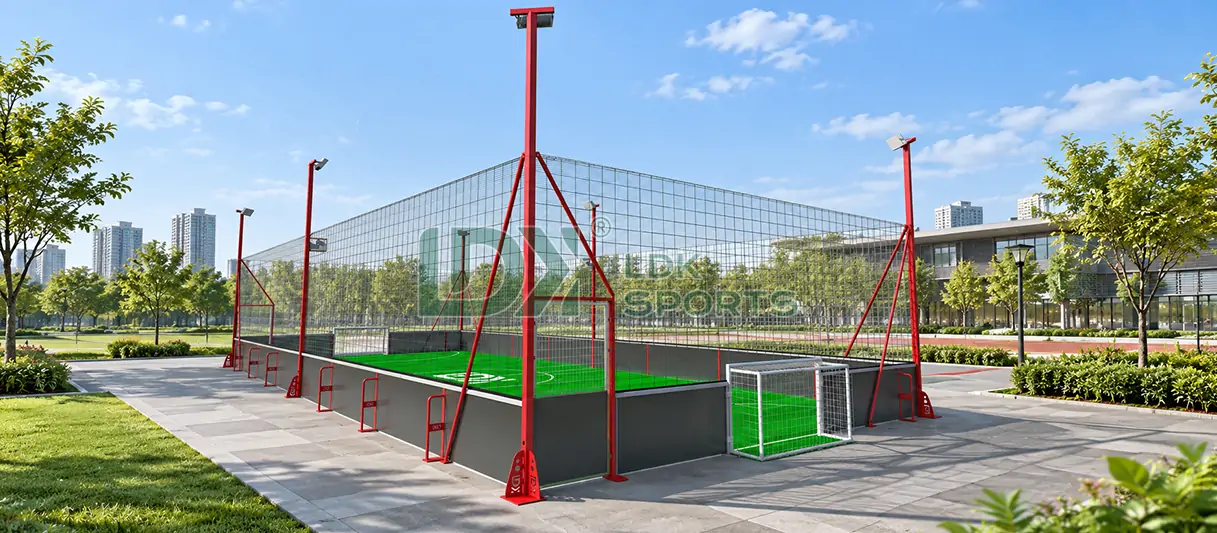
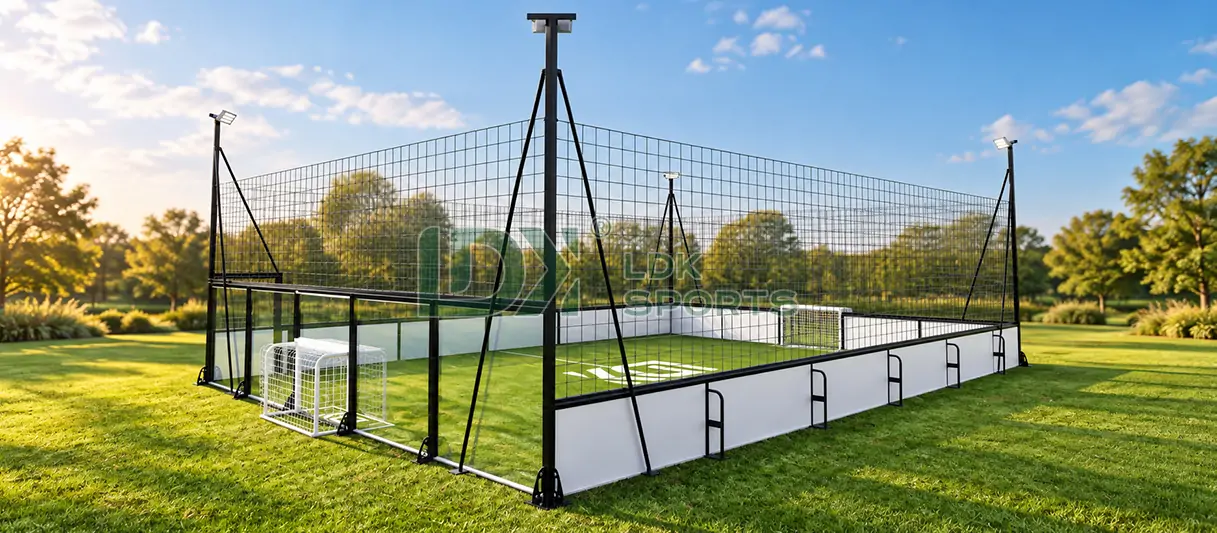
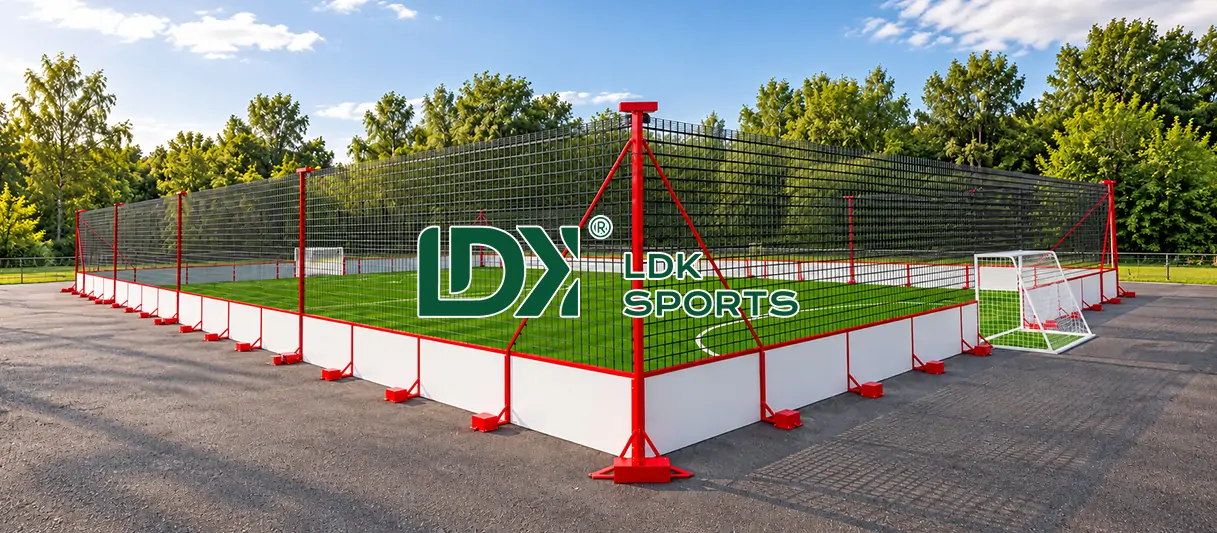
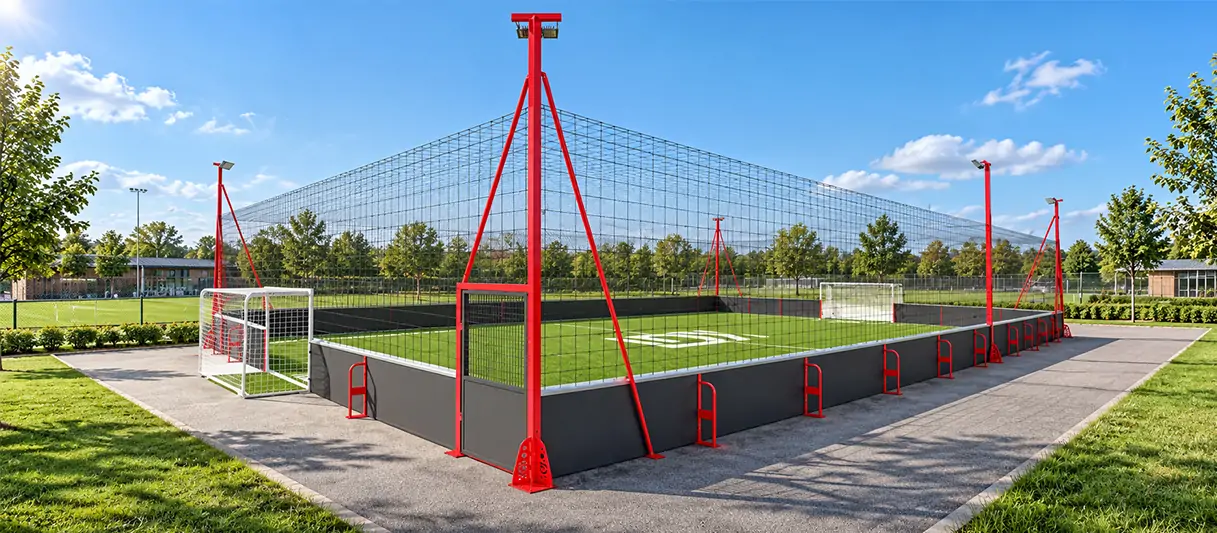
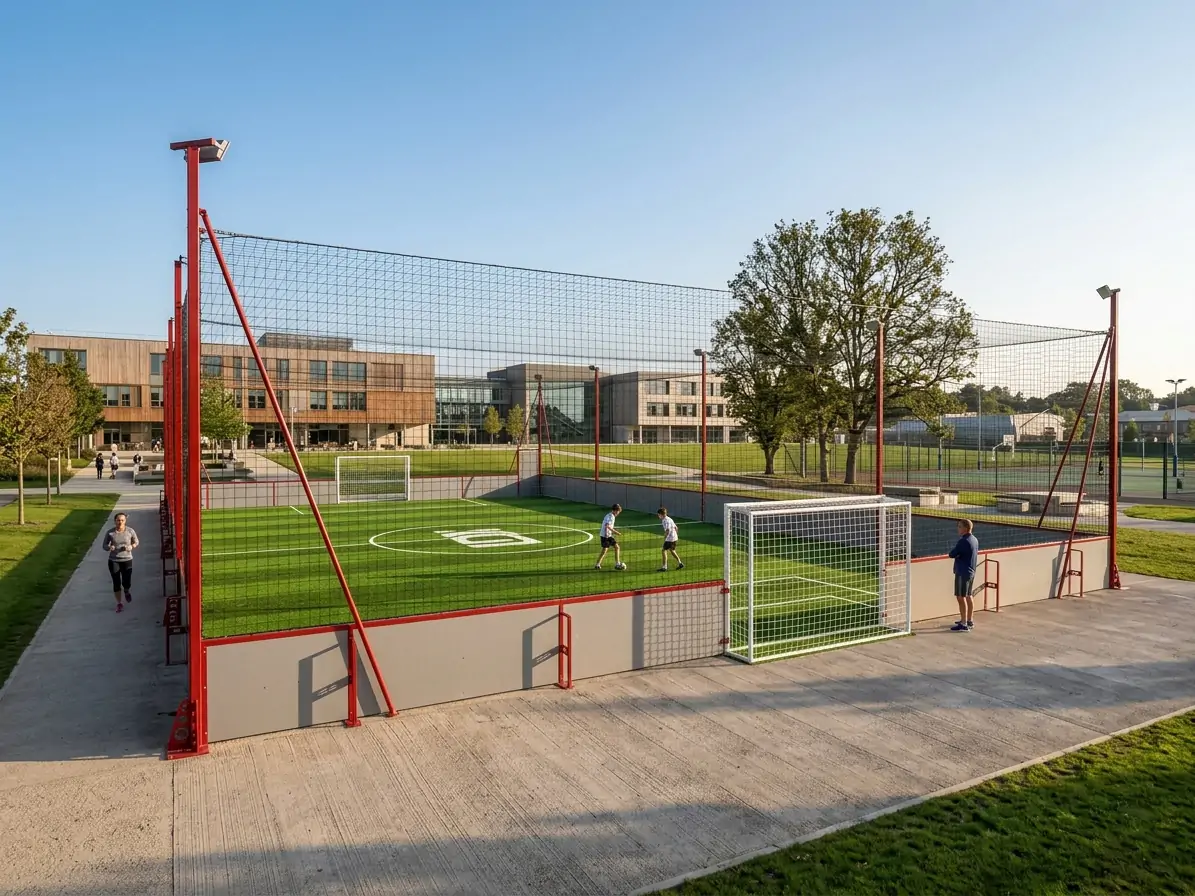
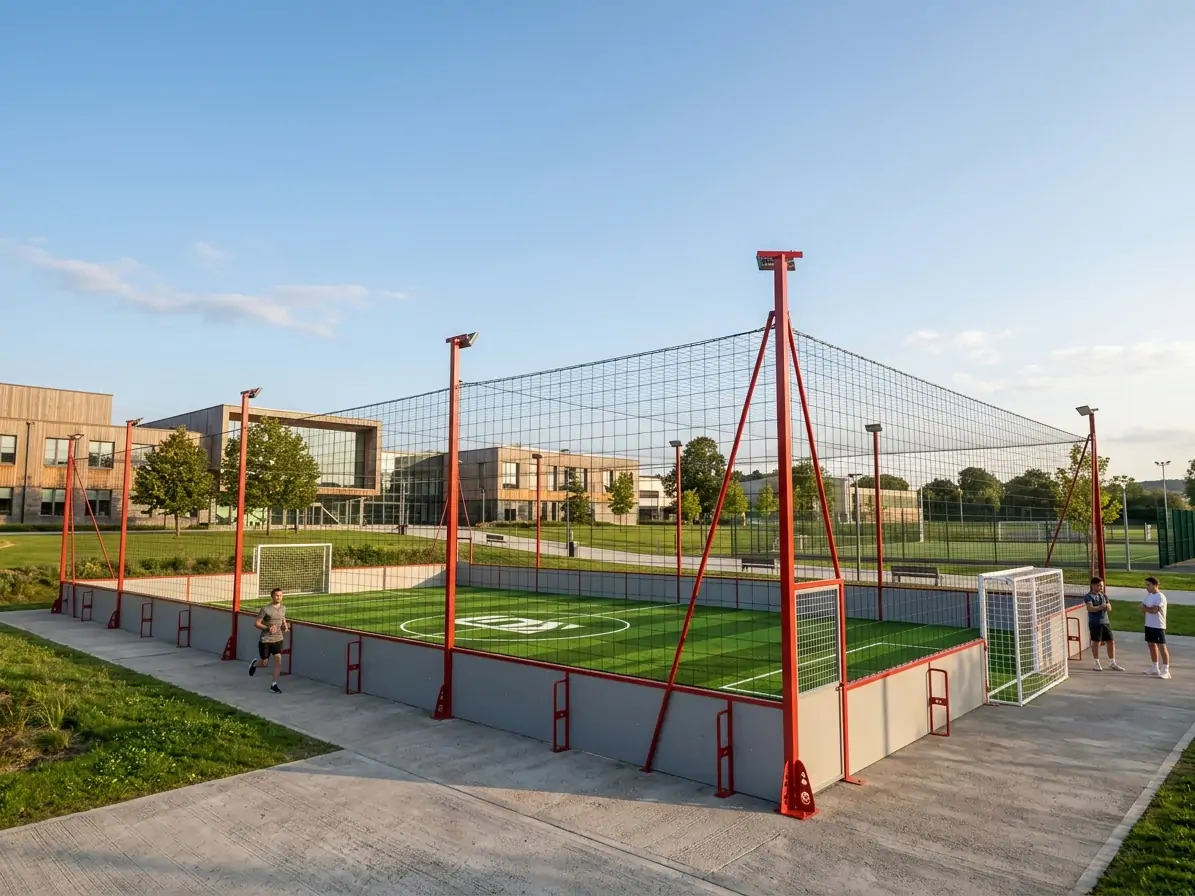
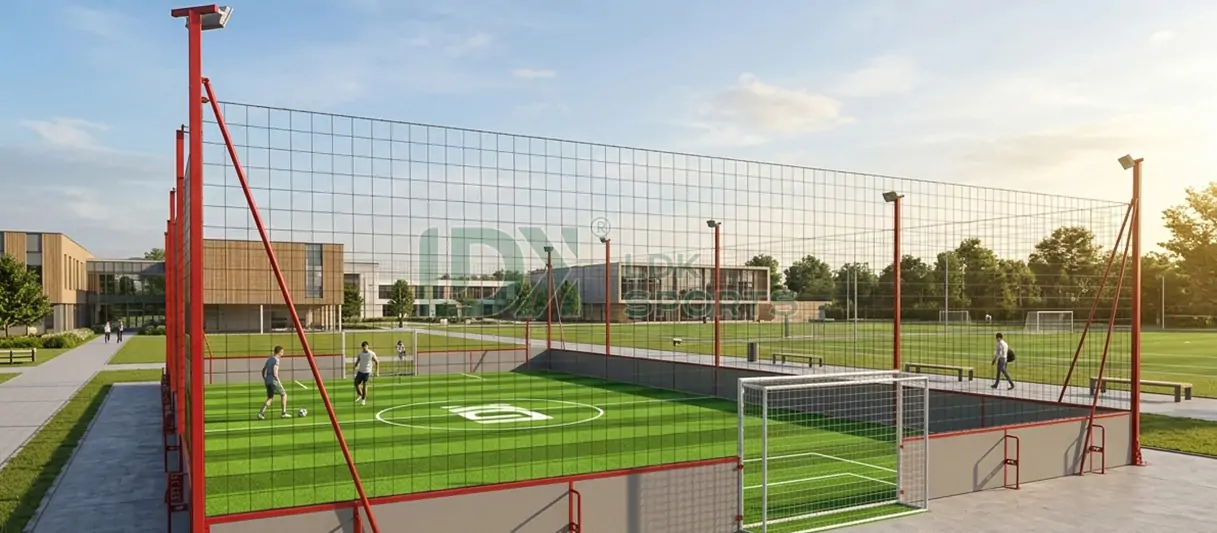
Outdoor cage football field with red steel posts, composite panels, professional artificial turf, LED lighting, and integrated mini soccer goals.
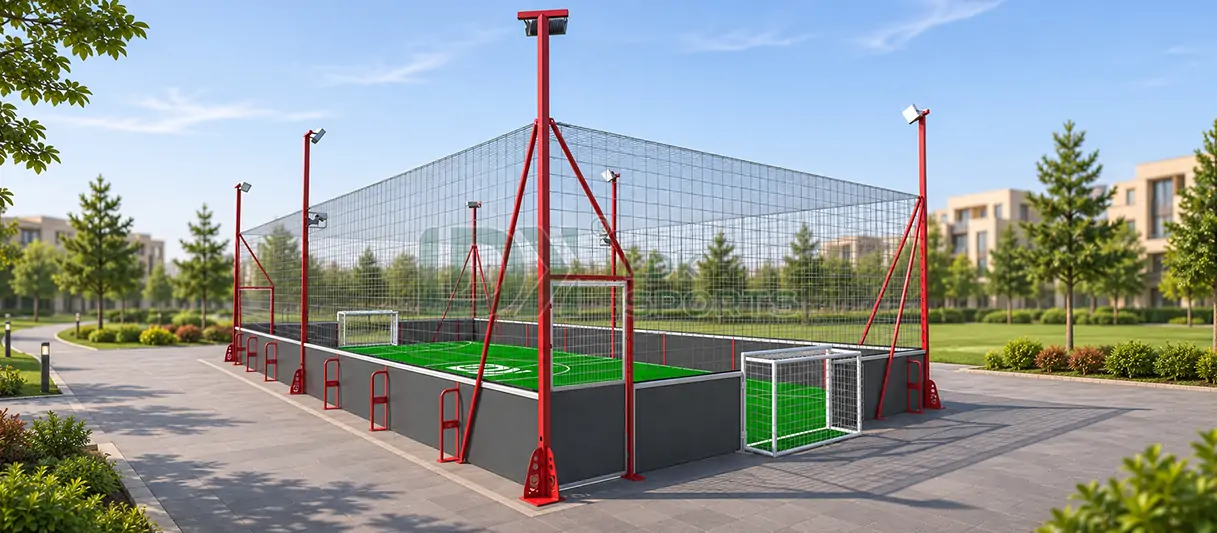
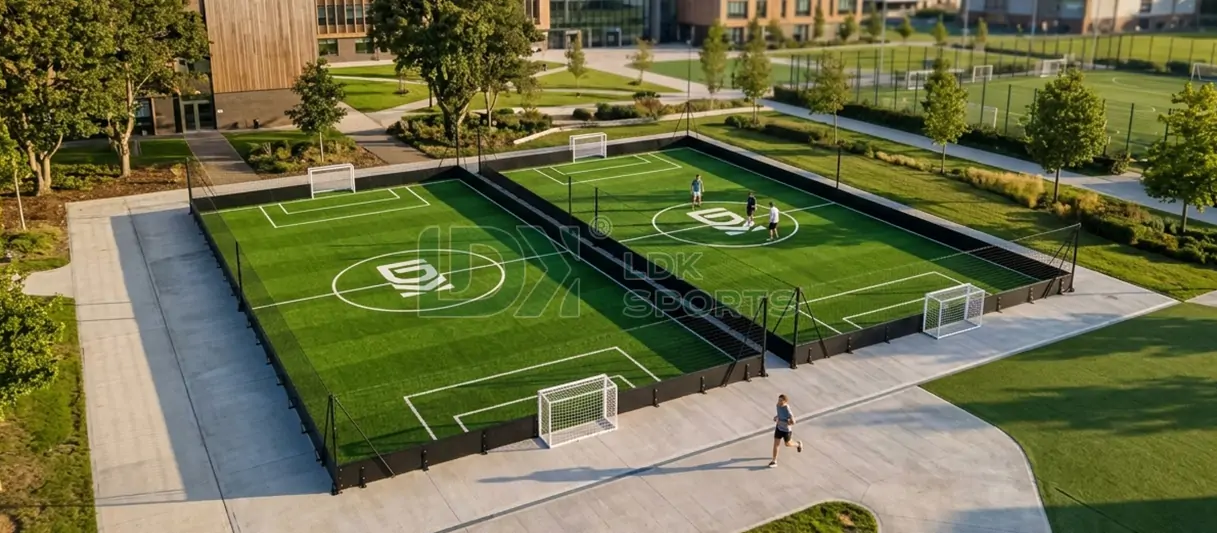
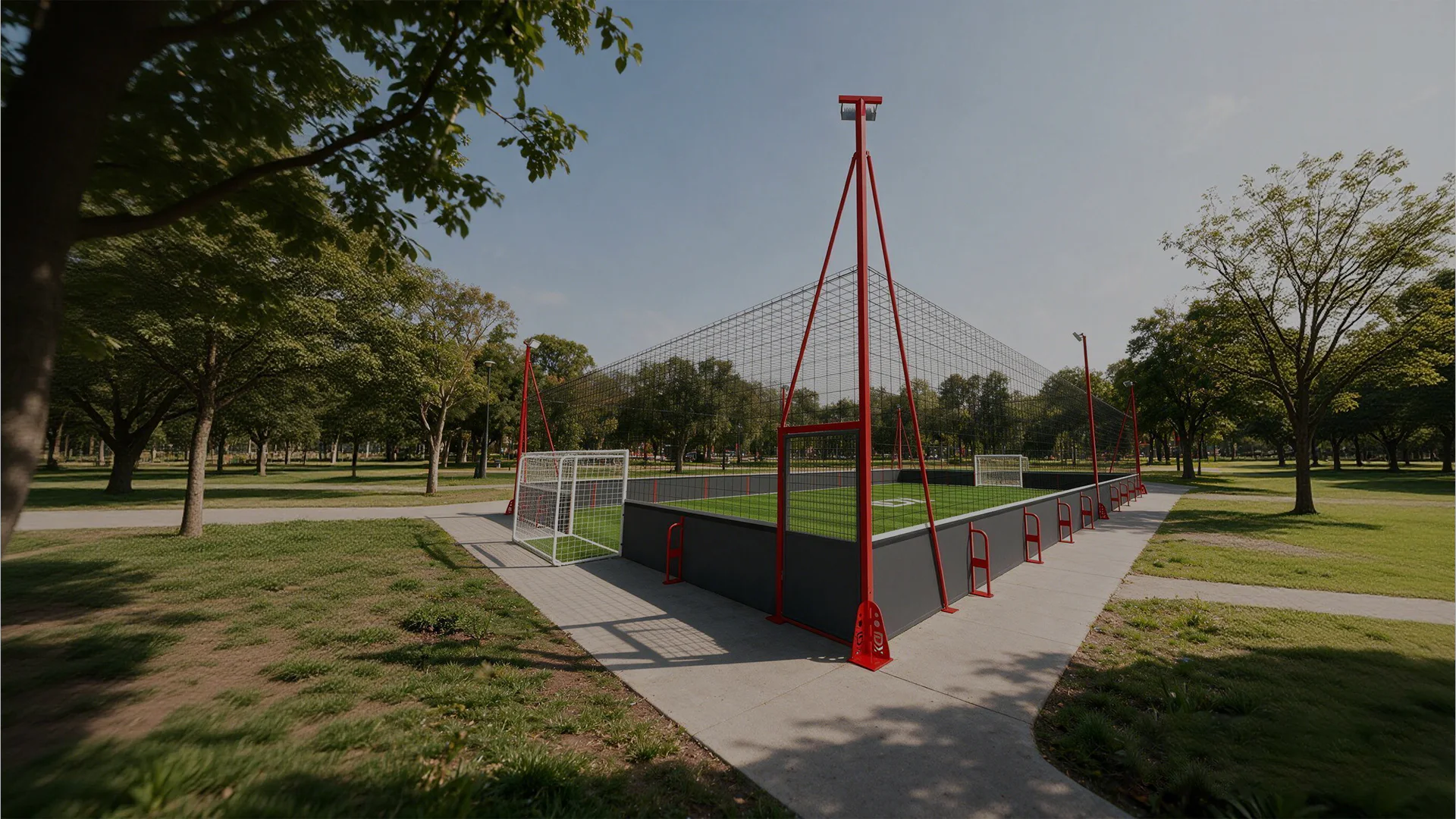
Turnkey outdoor cage football field design featuring sound-reducing composite panels, durable perimeter netting, and professional artificial turf for premium playability.

A global land problem is driving demand for enclosed pitches

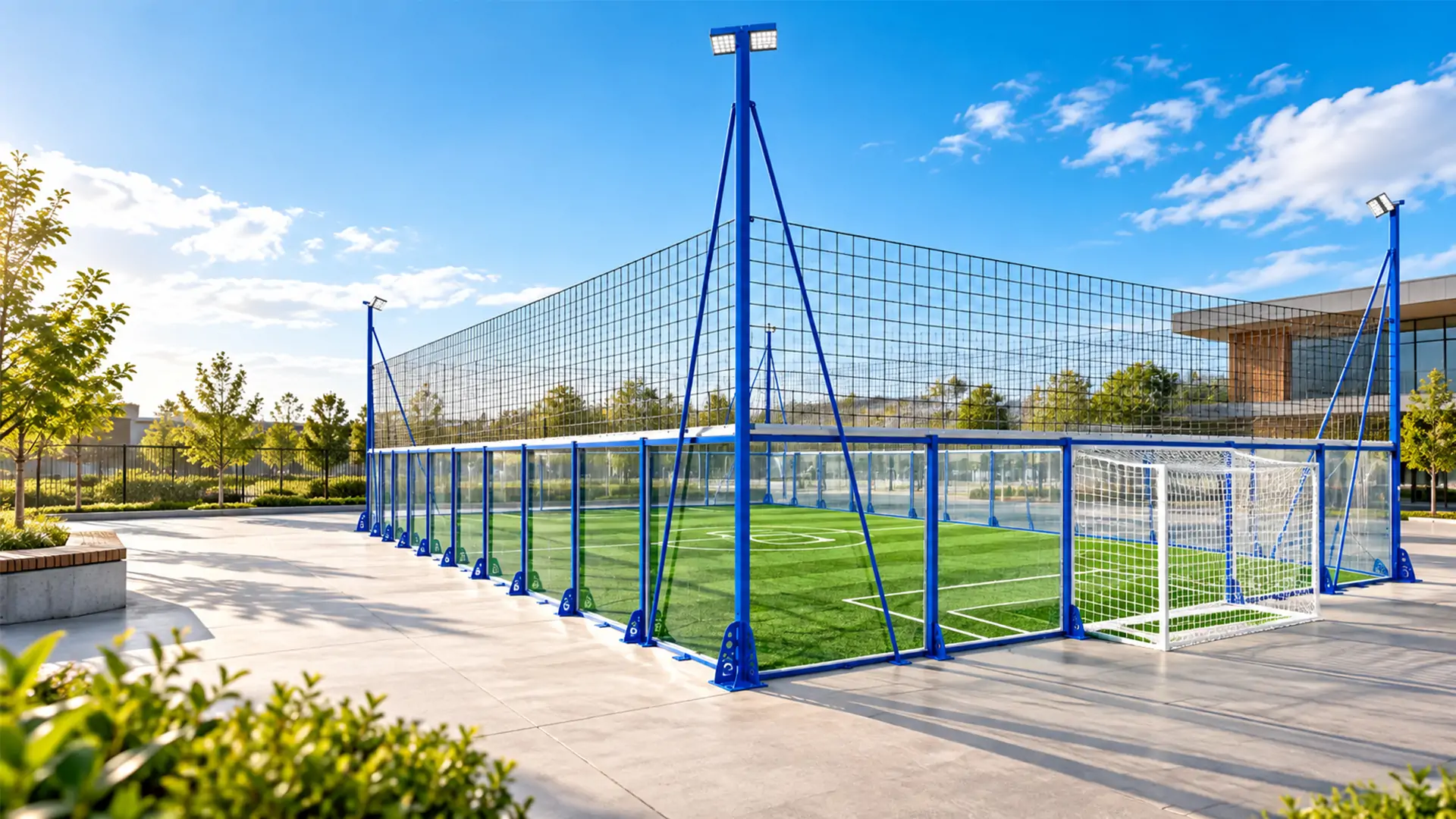
Across cities on every continent, venue operators and investors face the same arithmetic: demand for premium sports experiences is rising, but flat, buildable land is scarce and expensive. The cage football field — also called a football cage or mini soccer court — has become a practical answer. A fully enclosed small-sided pitch keeps the ball in play, cuts retrieval downtime and compresses a usable football facility into a footprint that fits rooftops, school grounds, municipal parks and commercial sports centres.

But the supply-side story is less tidy. Around the world, cage football facilities are being built faster than they are being operated well. Projects fail not because the concept is wrong, but because the delivery model is fragmented: a perimeter supplier here, a turf supplier there, a base contractor somewhere else, and no single party accountable when the first rainy season exposes a drainage flaw or the first noise complaint triggers a planning review.


The hidden global cost: noise and neighbour relations

The material and structure of the perimeter system directly shape how a cage sounds when balls strike it. In a community project in Den Helder, the Netherlands, noise from teenagers playing on a small pitch had long frustrated nearby residents. The original low fence neither contained flying balls nor dampened sound, and neighbour complaints accumulated. The eventual solution inserted plastic clamps between fencing panels to suppress vibration and bring noise disturbance under control.

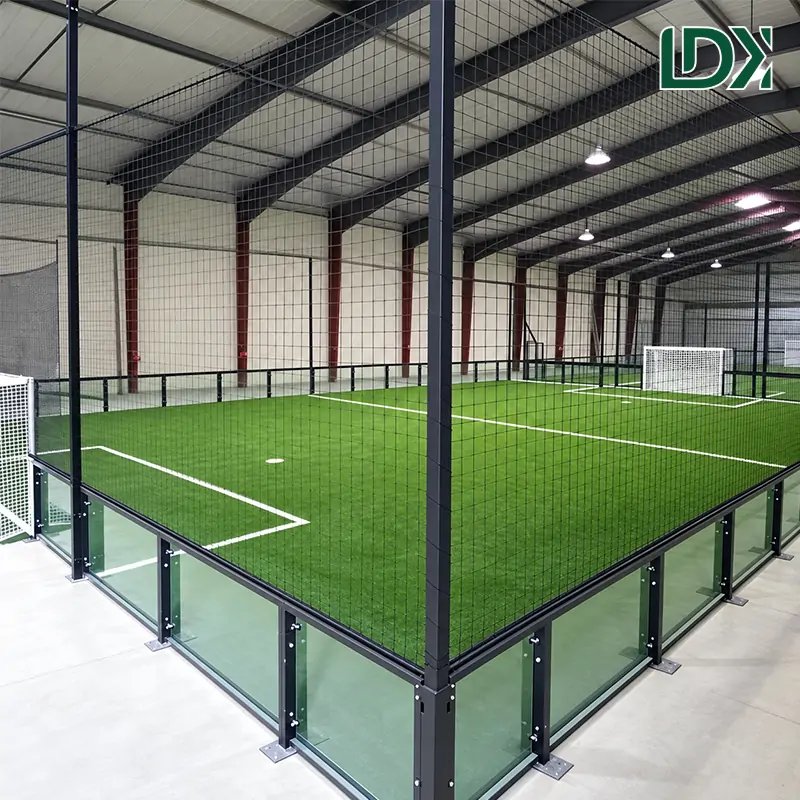
The lesson travels across borders: near residential areas or inside indoor complexes, a cage must do more than stop the ball. It has to absorb impact energy acoustically. Solid composite panels achieve this through mass rather than mesh openings, reducing sound spillover compared with standard mesh or netting designs. For operators, noise is not a cosmetic issue — it is the difference between a facility that can operate without complaints and one that faces restrictions, fines or forced redesign.


Multi-sport reuse: the fastest global route to better ROI

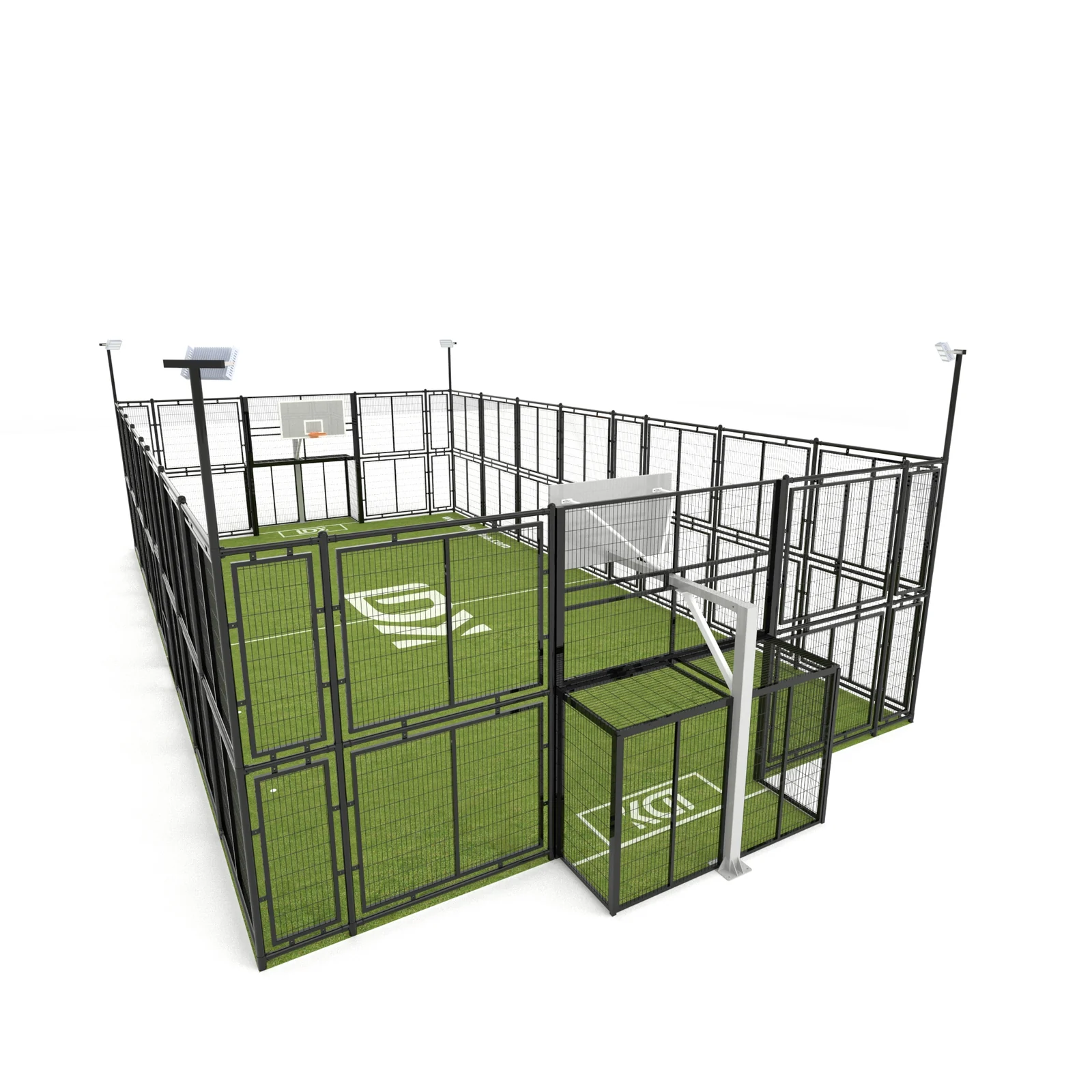
A cage used only for football is idle during weekday mornings and late evenings. A net-style or double-wire mesh cage configured with basketball hoops and court markings can serve football sessions in the morning and basketball leagues at night, allowing one footprint to host two paying user groups. For community centres and family entertainment venues — formats that are expanding in Europe, North America, the Middle East and Asia-Pacific alike — that scheduling flexibility often matters more to the break-even point than a few extra metres of pitch length.

Multi-sport configuration also extends the facility’s useful life. As user demographics shift or league demand changes, a cage that can be re-lined and re-equipped without structural modification avoids the sunk cost of a single-purpose build.


The delivery gap: why global projects fail after handover

Many cage football failures do not come from a single bad material. They come from a broken chain of responsibility. The perimeter supplier does not handle the base; the base contractor does not coordinate lighting; the lighting installer does not account for net tension. The defects surface after the first rainy season or the first period of heavy use, and no single party owns overall performance.

LDK, a Shenzhen-based sports facility manufacturer operating since 1981, positions its cage football business around this gap. Rather than selling a fence or a turf product in isolation, the company offers turnkey delivery covering site measurement, layout design, perimeter manufacturing, artificial turf and shock pads, international logistics and installation supervision. Its 45-year manufacturing history and exports to more than 70 countries and regions matter to supplier screening for one reason: experience density reduces the probability that a project drifts from specification after handover when site conditions, climate, usage intensity and local compliance requirements act on it at the same time.

Two projects illustrate the point.

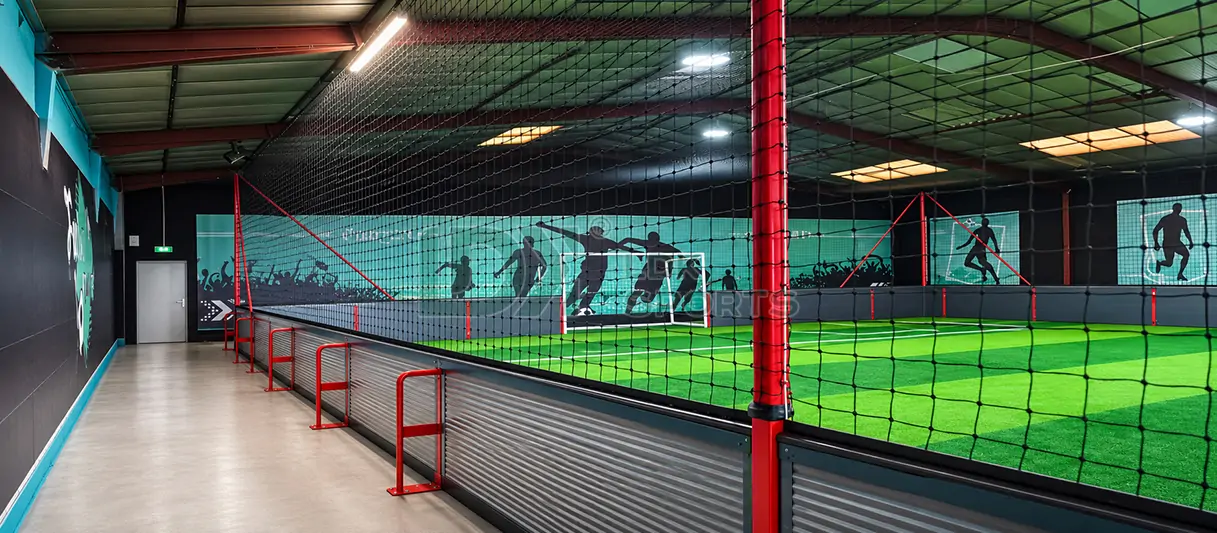
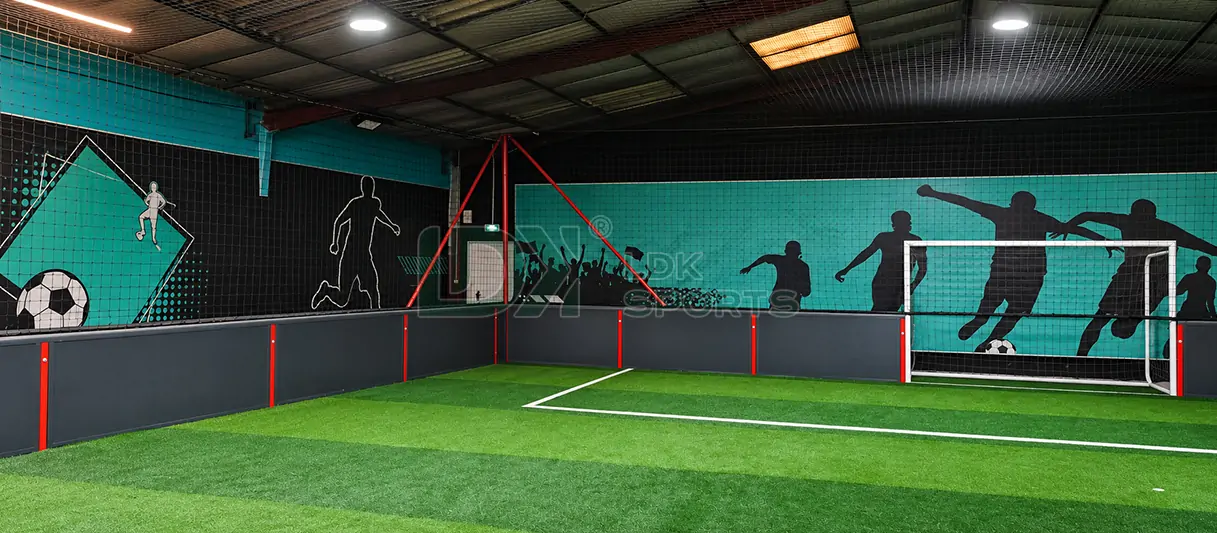
• France: A municipal sports authority needed a multi-cage football complex near a residential neighbourhood. A composite panel cage system cut sound transmission by more than 30% compared with standard mesh designs, paired with professional turf and shock pads for playability.

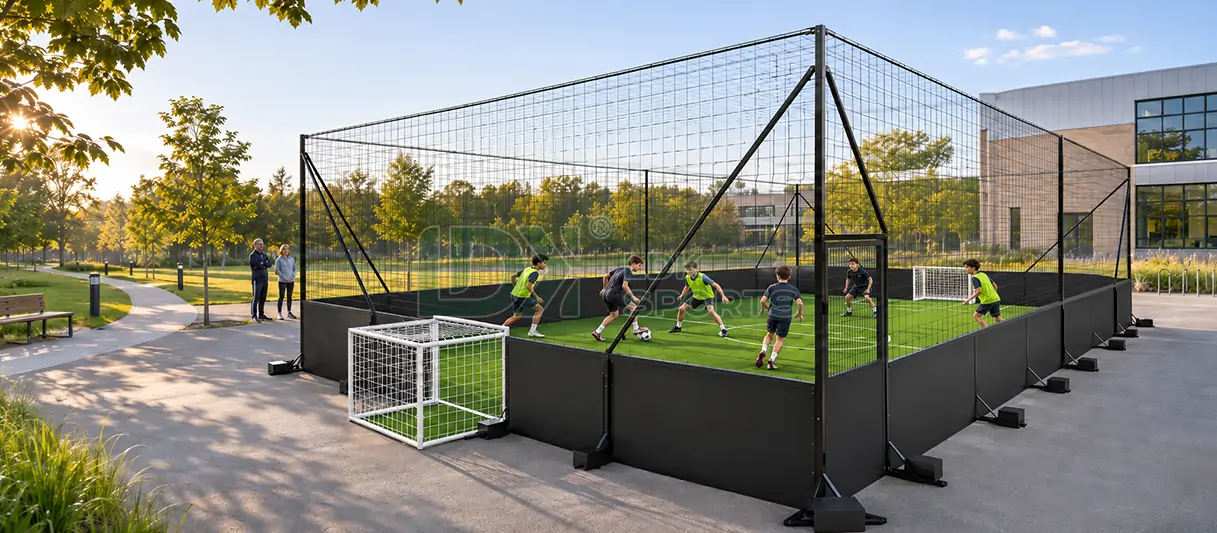
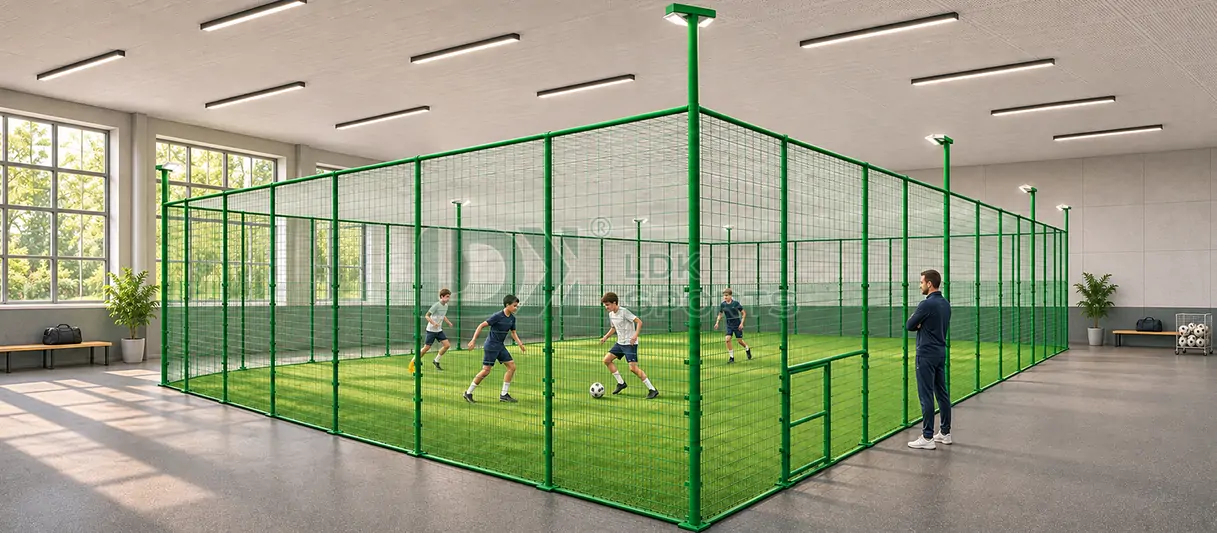
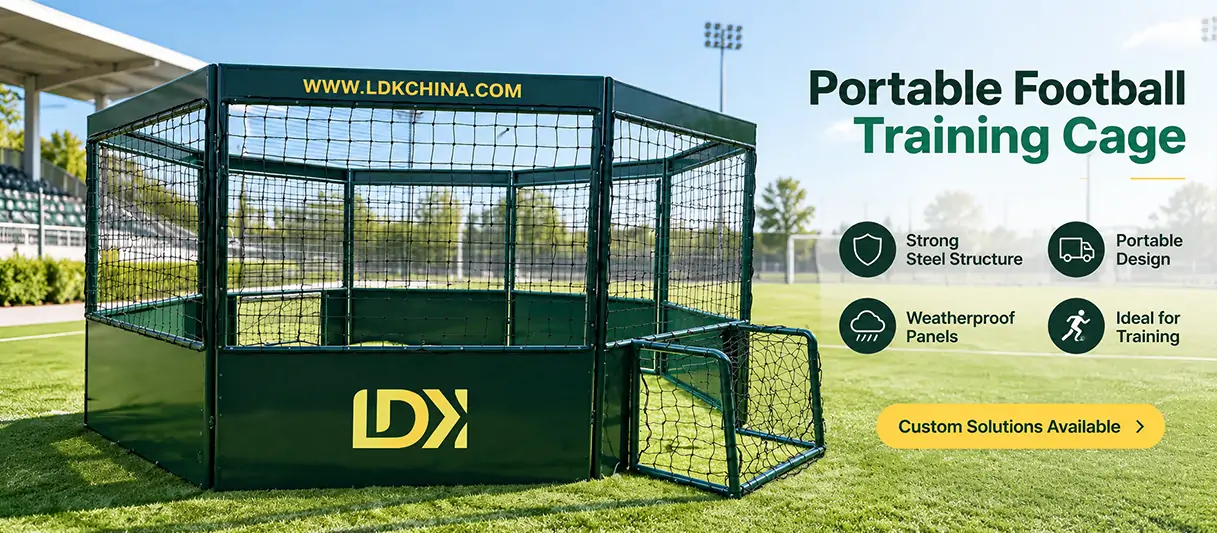
• Belgium: A youth football academy operating across multiple training sites needed a facility that could move between campuses. LDK supplied a custom mini football cage that required no permanent ground anchoring, could be assembled in one to three days and packed into standard shipping containers, while meeting EU youth sports safety standards.

Neither case was a standard-product installation. Both were examples of site constraints driving system design — a pattern that repeats in every market where land is tight and regulation is strict.


What global investors should actually ask a supplier

For buyers evaluating a cage football field supplier, the useful questions are not only what gauge the netting is or how many stitches the turf carries. They are:

• Has the supplier worked across enough regulatory environments to design for noise, drainage, base loading and future sports expansion on one drawing?

• Will it accept single-point responsibility for performance from groundbreaking to opening?

• Can its delivery model survive the first year of real operation — including maintenance access, replacement parts and remote support across time zones?

• Does it have a reference base in your region that demonstrates compliance with local safety and planning rules?

• Can it scale with you if you add padel courts, indoor basketball arenas, pickleball courts or full multi-sport complexes later, without forcing you to vet a new supplier?

The space-efficiency case for cage football is genuine, and the five-a-side growth curve is real. Turning those truths into a sustainable operating asset depends less on a product specification sheet than on engineering judgement and delivery discipline. In a global market, that distinction is what separates a supplier from a partner.
View all articles
Cage football pitch with impact-resistant lower panels, mesh enclosure and floodlights in a community parkManufacturing Insight

What Public Operators Should Consider Before Building a Cage Football Pitch

Outdoor cage football pitch with artificial turf in an urban communityPlanning Guide

From Unused Corners to Football Pitches: How Enclosed Courts Are Finding New Sites

Empty cage football field in a landscaped community park with red steel posts, white perimeter panels and green artificial turf.Manufacturing Insight

Small Football Pitches Gain Ground as FIFA Expands Community Access

Modern outdoor cage football pitch with green artificial turf, metal mesh fencing, red support posts, and small goals.Planning Guide

Cage Football Facility Planning Shifts Toward Safer, More Durable and Smarter Outdoor Venues

Enclosed cage football court with green artificial turf, black netting, goals and floodlights at a modern sports facilityManufacturing Insight

LDK Introduces Flexible Cage Football Court Solutions for Modern Sports Facilities

Outdoor mini football pitch with artificial turf and an enclosed football cage for 3v3 games at a school and community park.Planning Guide

Compact Cage Football Pitches Put Lifecycle Planning at the Center of Public Sports Projects

Indoor composite board soccer cage with artificial turf, safety netting, red steel posts, and a small-sided football goal.Manufacturing Insight

France Indoor Sports Venue Introduces Composite Board Soccer Cage for Small-Sided Football

Portable wheeled aluminum soccer goal placed on a sunny football field.Planning Guide

LDK Presents Portable Aluminum Soccer Goal Solution for Outdoor Football Facilities

Indoor Cage Football Field for Community Youth Training.Planning Guide

Cage Football Fields Bring Flexible Play Space to Public Sports Projects

An indoor football cage features artificial grass, composite rebound boards, overhead netting and a white football goal.Planning Guide

Indoor Football Cage Solutions: Turn an Underused Building into a Football Venue

An LDK soccer field cage features green artificial turf, overhead netting and floodlights in a landscaped outdoor sports park.Planning Guide

Custom Soccer Field Cage Solutions

Five-a-side football cage with artificial turf, football goals and perimeter nettingSystem Guide

Football Cage Maintenance: A Simple Care Checklist

Artificial turf football field with perimeter fencing in a modern community sports parkPlanning Guide

Football Field Construction Mistakes & How to Avoid Them

Natural-looking artificial grass covers a football pitch with white field markings, a goal, and surrounding trees.Planning Guide

Artificial Grass: How Do You Choose the Right Sports Turf?

LDK cage football pitch with LED perimeter screens, overhead netting and a white goal in a landscaped outdoor sports park.Planning Guide

LED Advertising in Cage Football: Connecting Local Sport with Brand Visibility

Red-and-gray soccer cage with composite panels, flexible netting, goals, and video equipment in a landscaped urban sports park.System Guide

Smart AR Video Technology for Soccer Cages

cage football court with glass panels, composite boards, flexible netting and lighting.Planning Guide

Cage Football Courts Put More Focus on Flexible, Small-Sided Play

Removable Composite Plate football cage with red supports, white perimeter panels, upper netting and artificial turf.System Guide

Removable Composite Plate football cage: A Clear Maintenance Routine for Facility Teams

Outdoor 24 × 14 m soccer cage with gray composite boards, red support posts and upper ball-stop netting.Manufacturing Insight

2026 Market Insight: Mini-Pitch Growth Puts Football Enclosure Design in Focus

Dark green enclosed mini football cage with netting and a small goal displayed outside a sports equipment facility.Manufacturing Insight

Why Mini Football Cages Are Booming Worldwide

3D rendering of an outdoor soccer cage with green turf, perimeter boards, blue posts, overhead netting and goals.Planning Guide

Outdoor Soccer Cage: How to Plan the Right System for Your Site

LDK football cage rendering with green turf, blue supports, composite perimeter boards and overhead netting.Planning Guide

Football Cage Planning Guide: Sizes, Components and Project Quotes

Soccer cage project planning flow diagram.Planning Guide

Multifunctional Football Cage for Schools: Planning a Multi-Sport Court After the 2026 World Cup

Glass football cage on an outdoor pitch, with lower glass panels, a tall mesh enclosure, goals and a green playing surface.Planning Guide

Glass Football Cage: A Buyer Guide to Choosing an Outdoor System

Outdoor soccer cage with blue steel framework, glass panels, protective netting and artificial turf for football training facilitiesPlanning Guide

Futsal Cage Construction Guide

A freestanding red outdoor soccer cage with full ball-containment netting and artificial turf, used for small-sided football in a sunny open campus setting.Planning Guide

Outdoor Soccer Cages: Sizes, Costs and ROI for Facility Owners

Indoor soccer cage with green artificial turf and grey impact bumper boards.Planning Guide

Seasonal Maintenance Schedule for Outdoor Football Fields

View of no-infill artificial grass installed on a school football fieldSystem Guide

Free of filling Artificial Grass vs Natural Grass Football Fields

Landscaped outdoor football cage with rebound boards, mesh containment and lightingPlanning Guide

Planning a Small-Sided Football Facility: What to Confirm First

Rendered overview of an LDK removable composite-board soccer cage with counterweighted supportsSystem Guide

Understanding a Removable Soccer Cage

Industrial surface-treatment equipment inside a manufacturing workshopManufacturing Insight

From Manufacturing to Quality Control