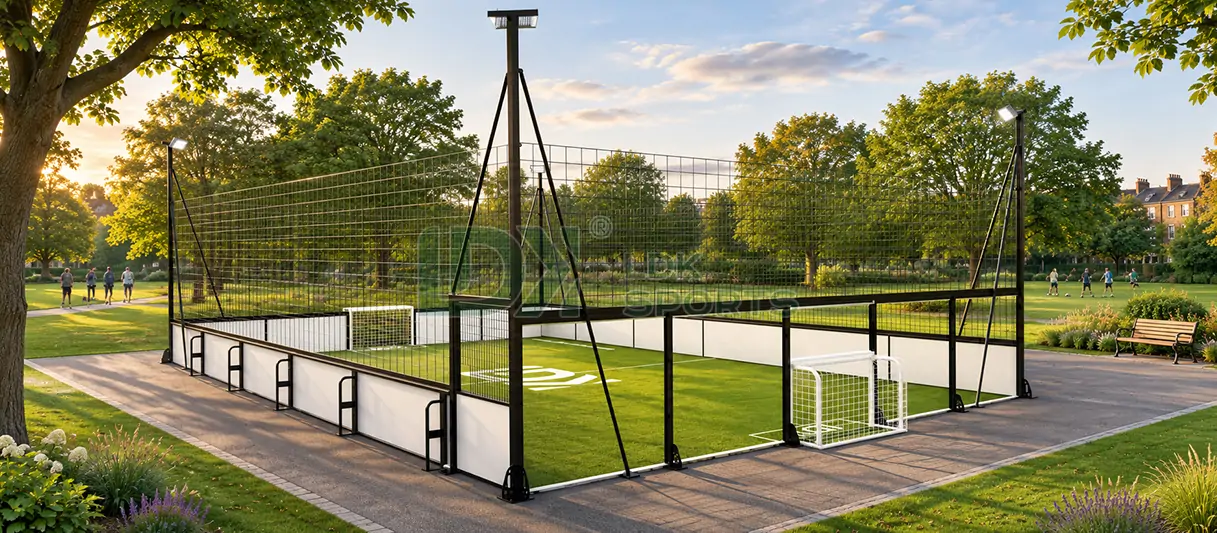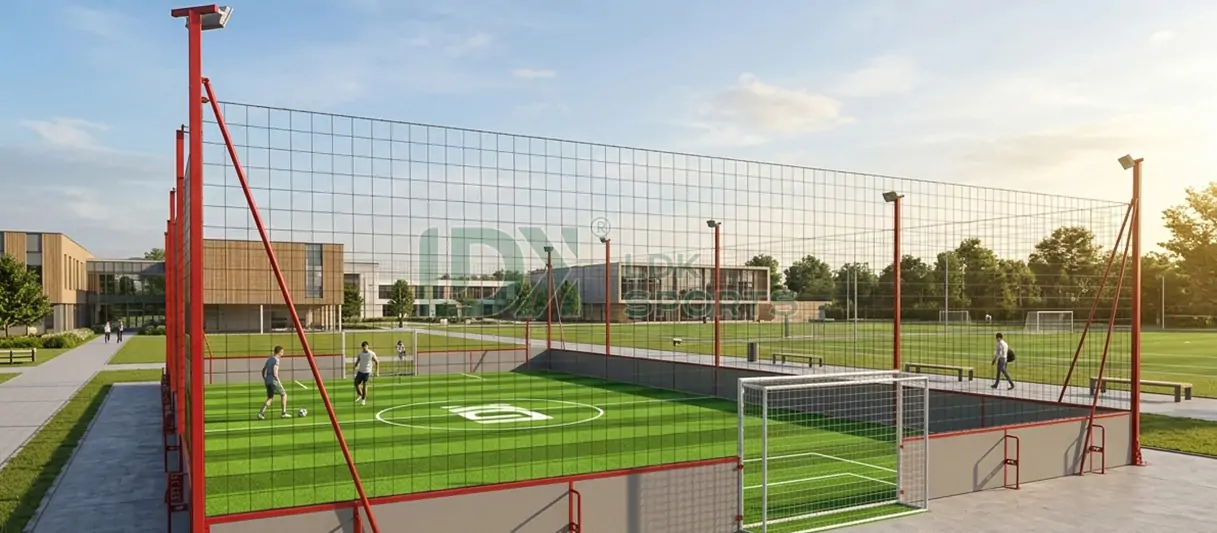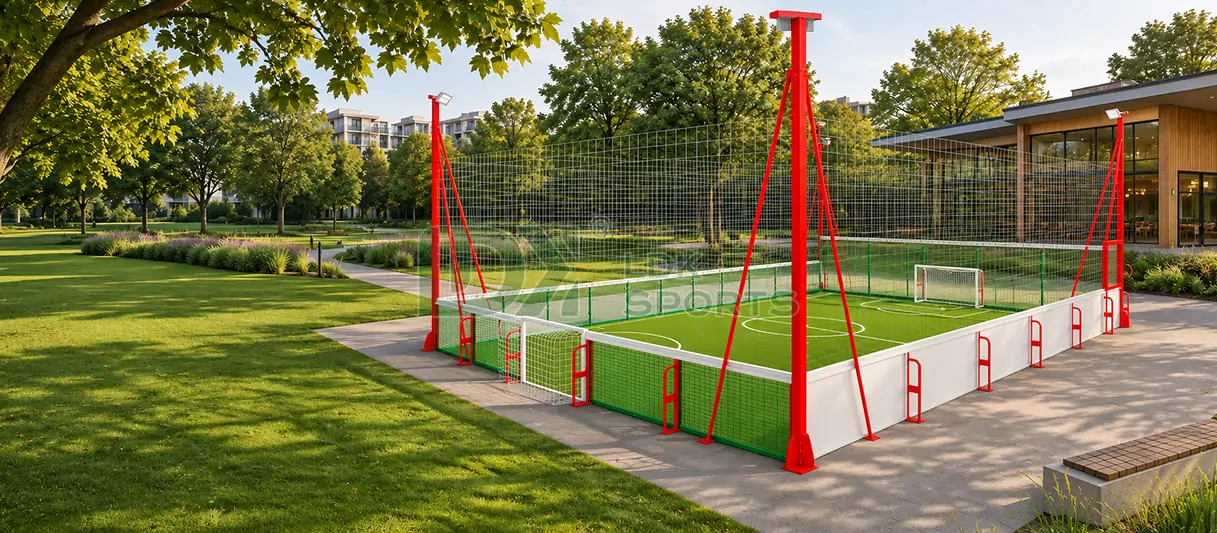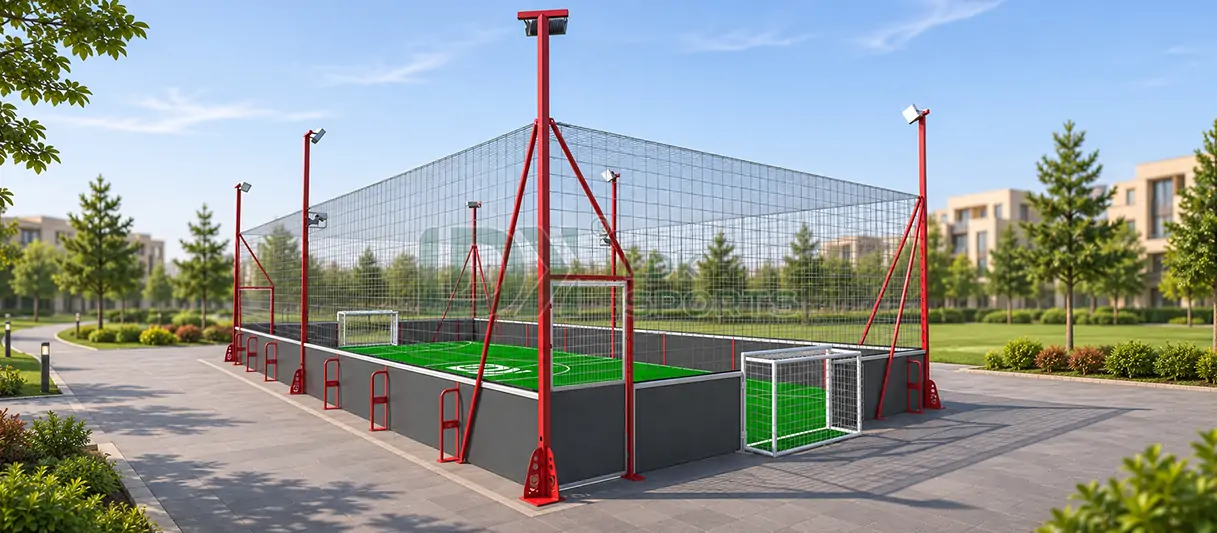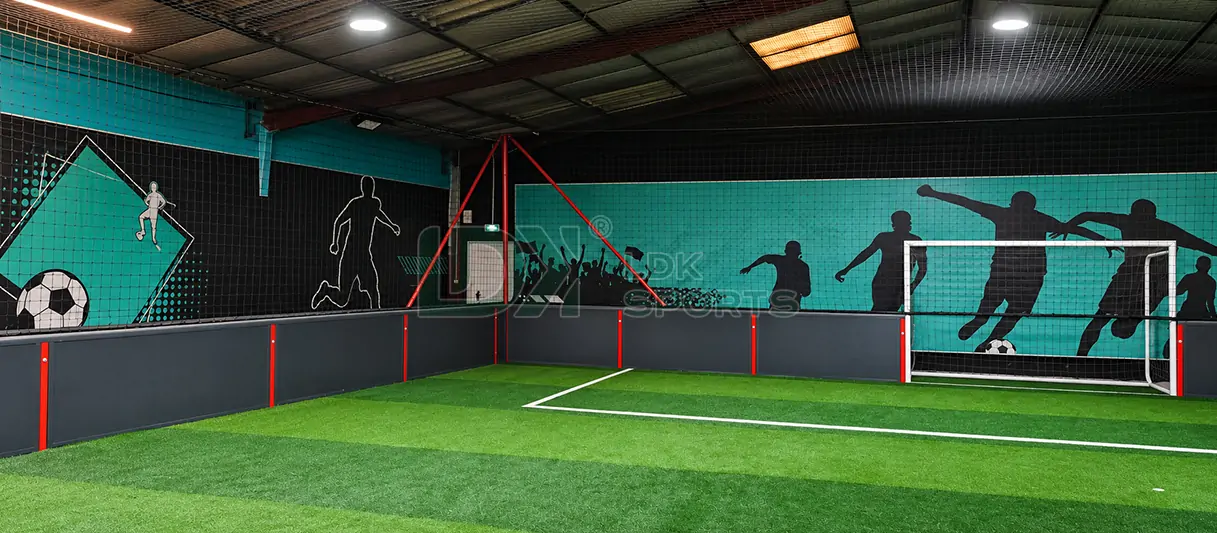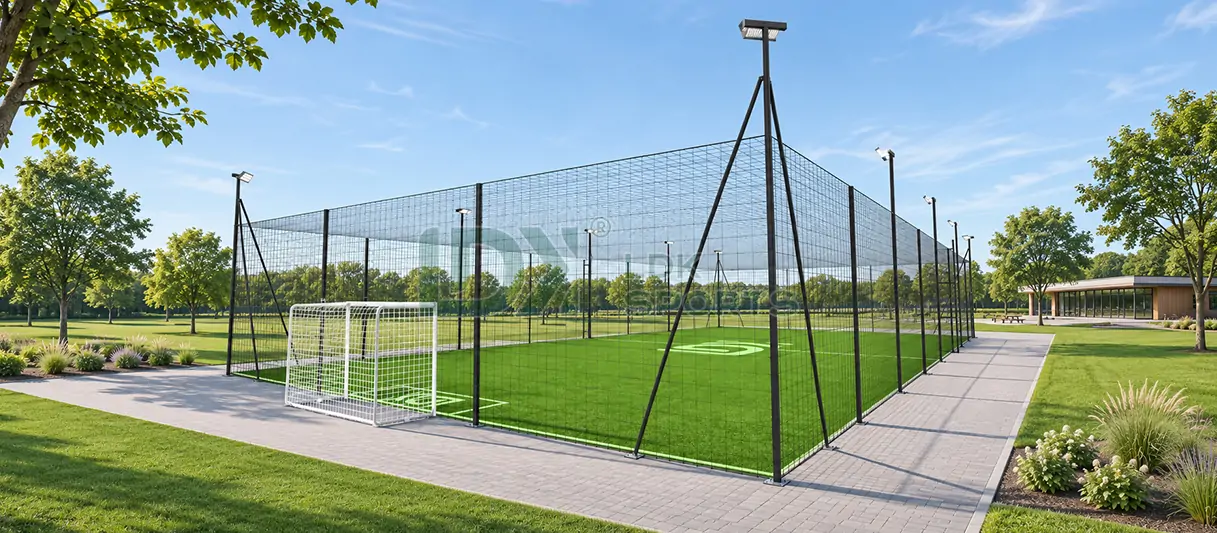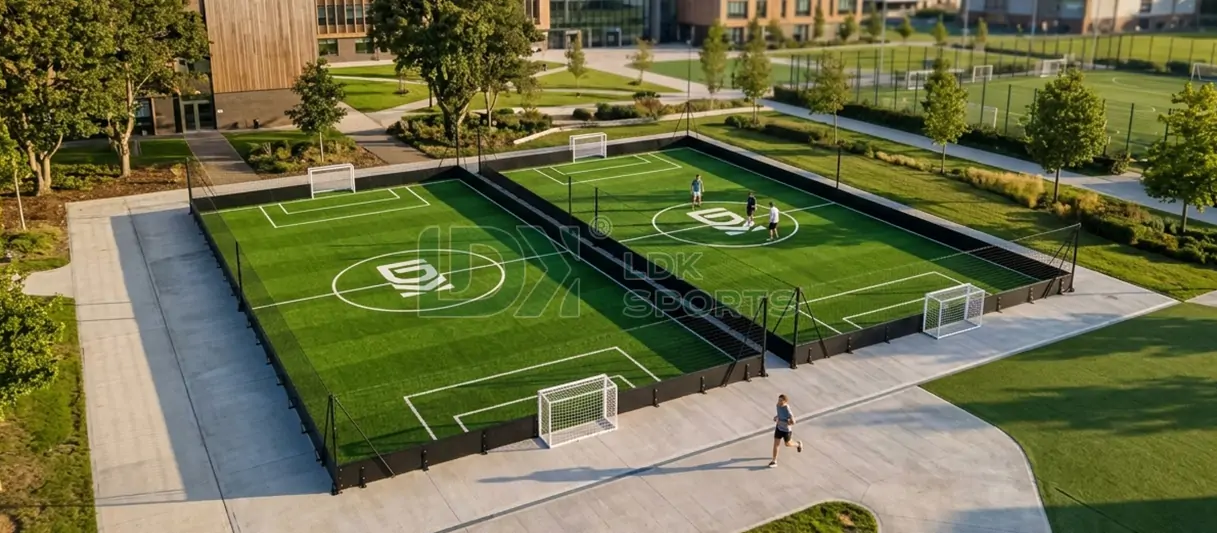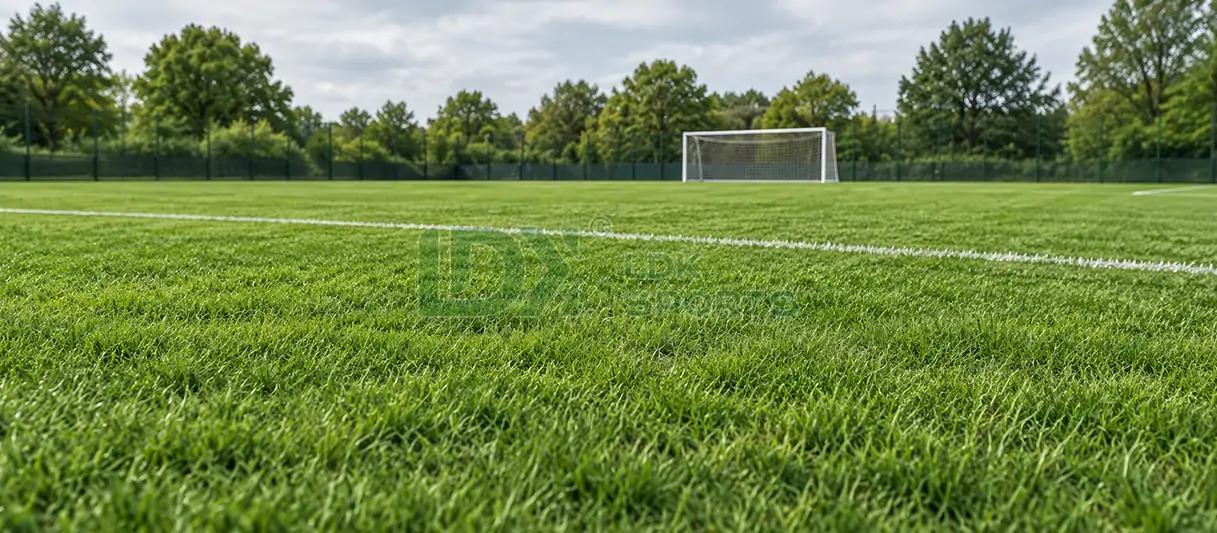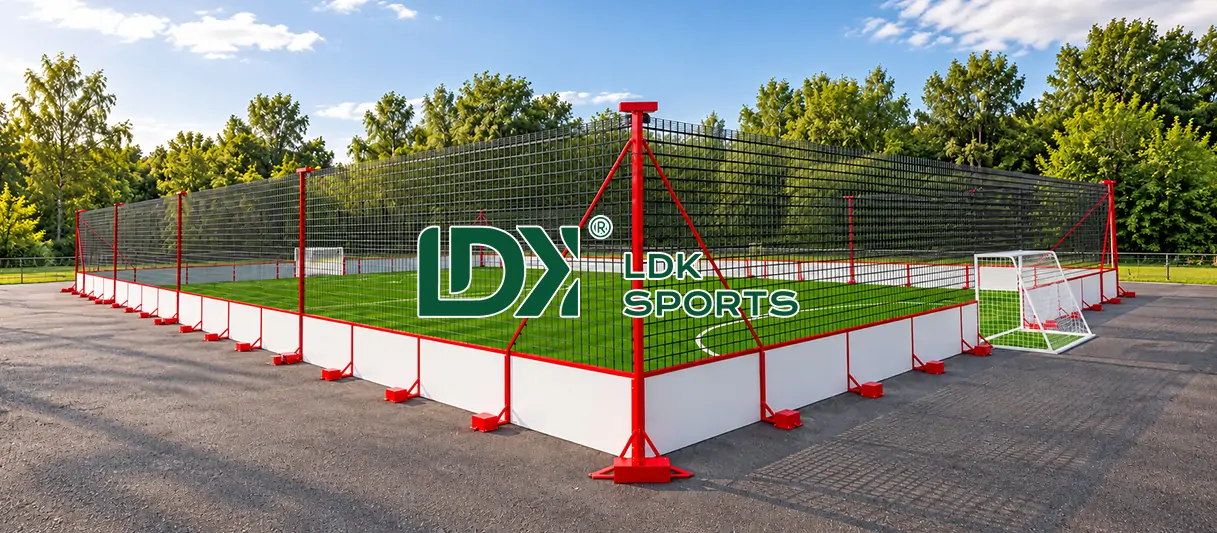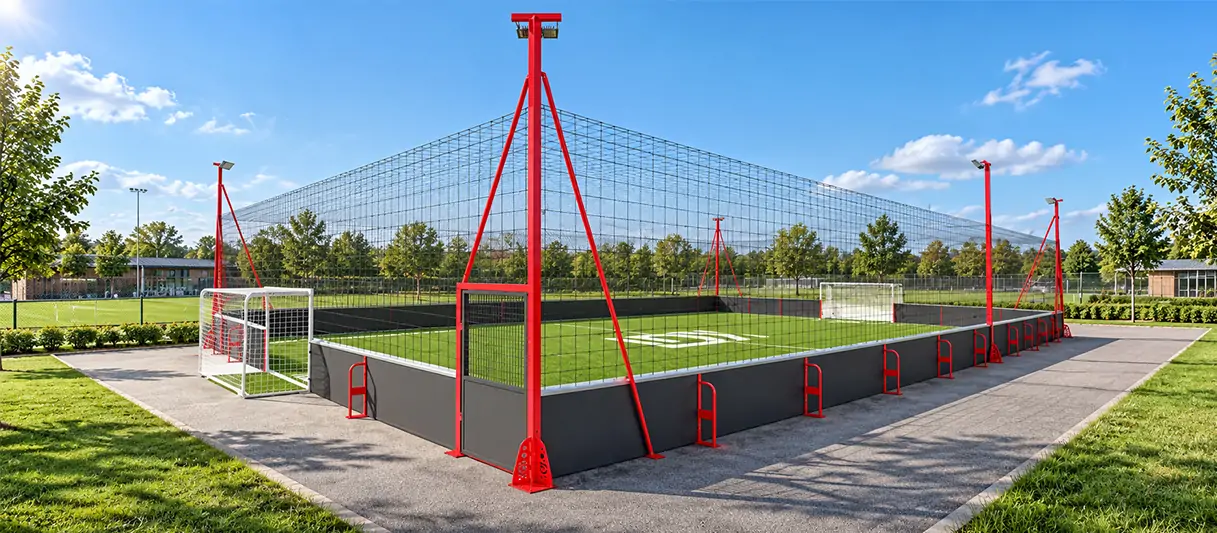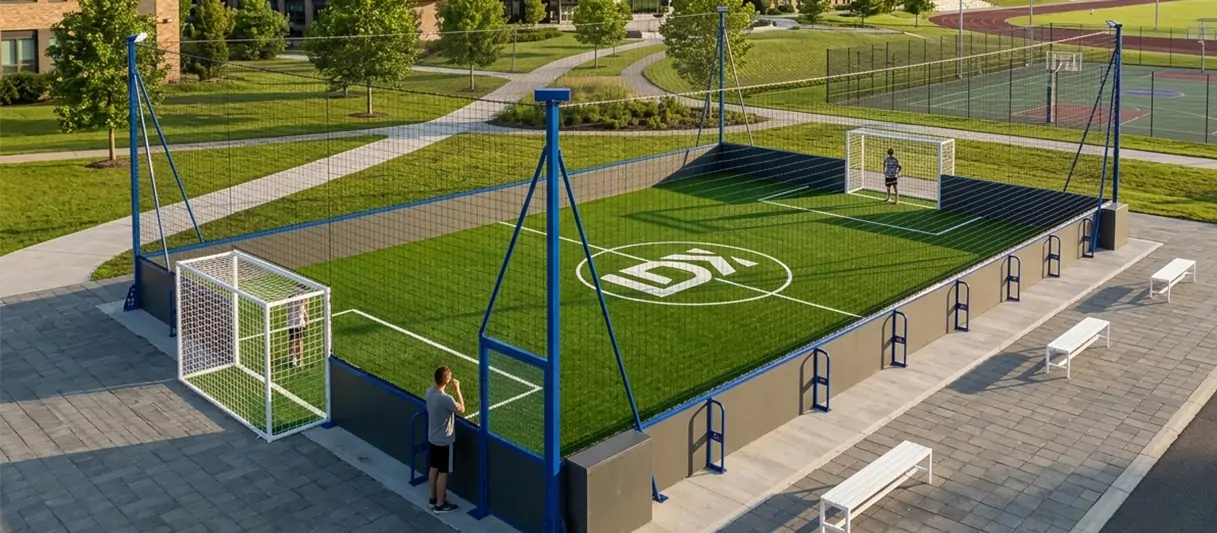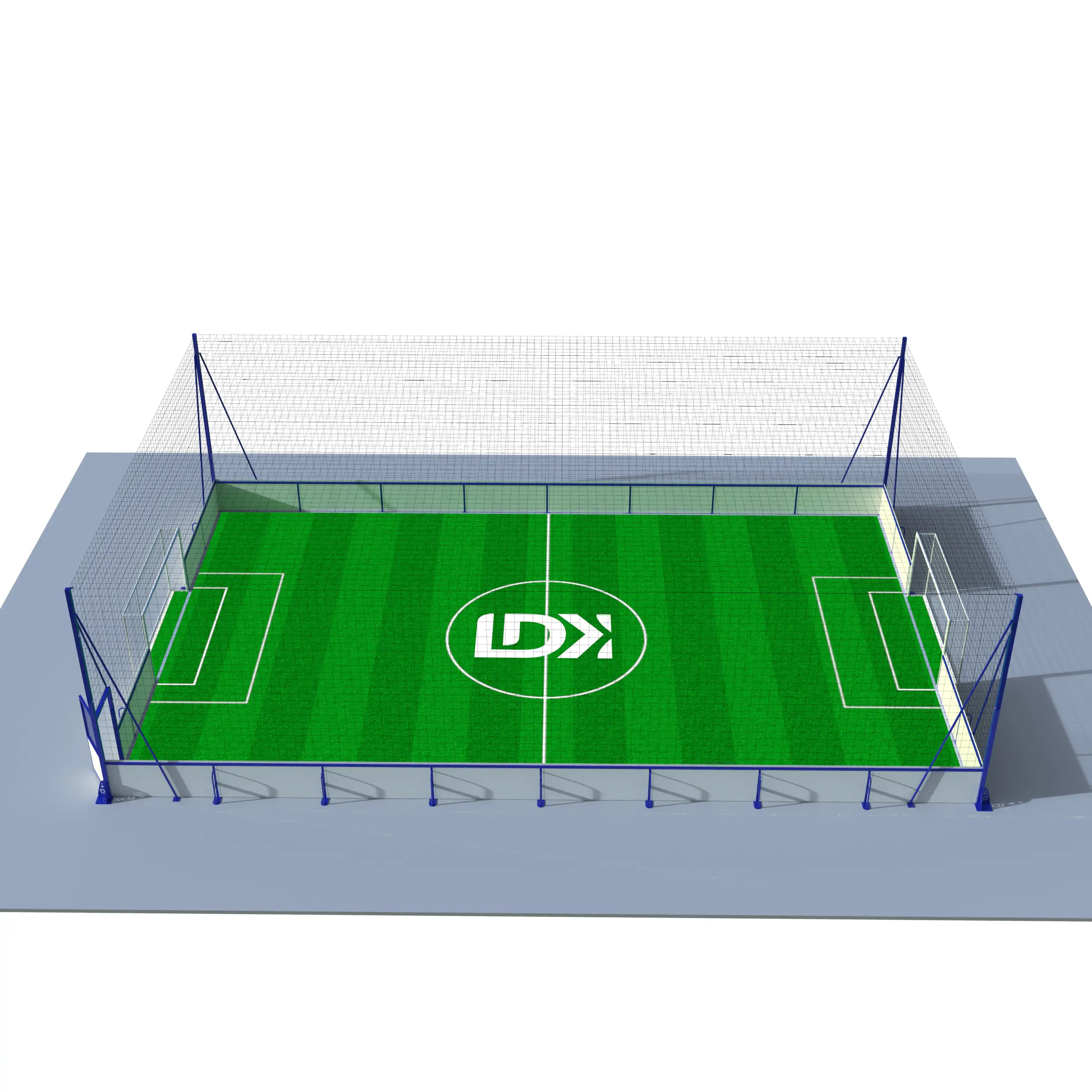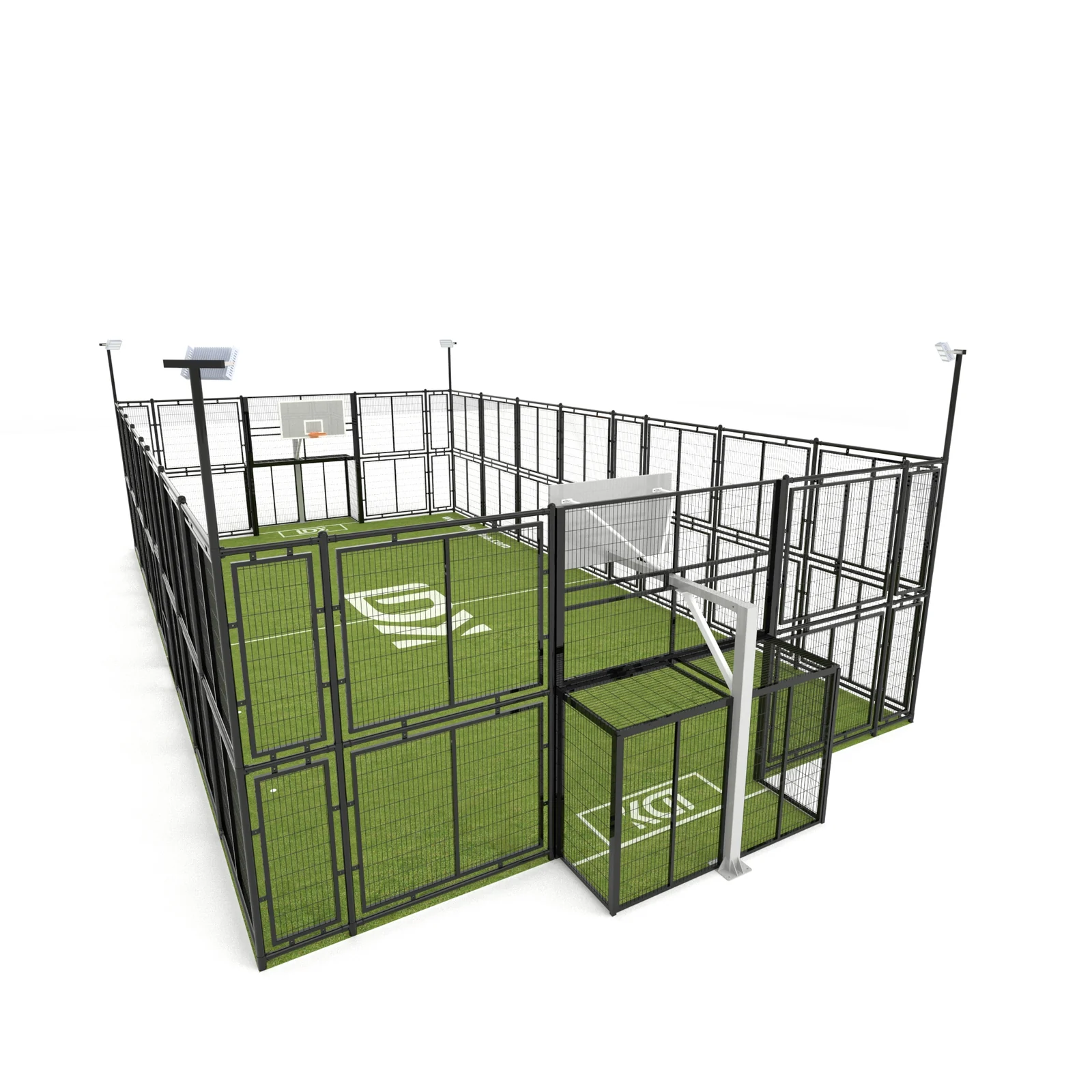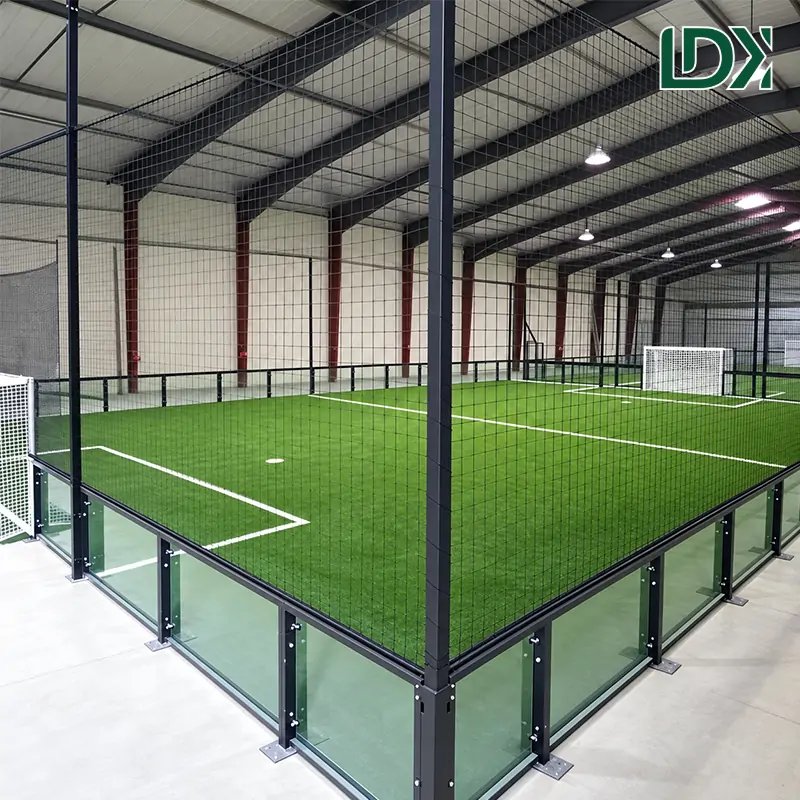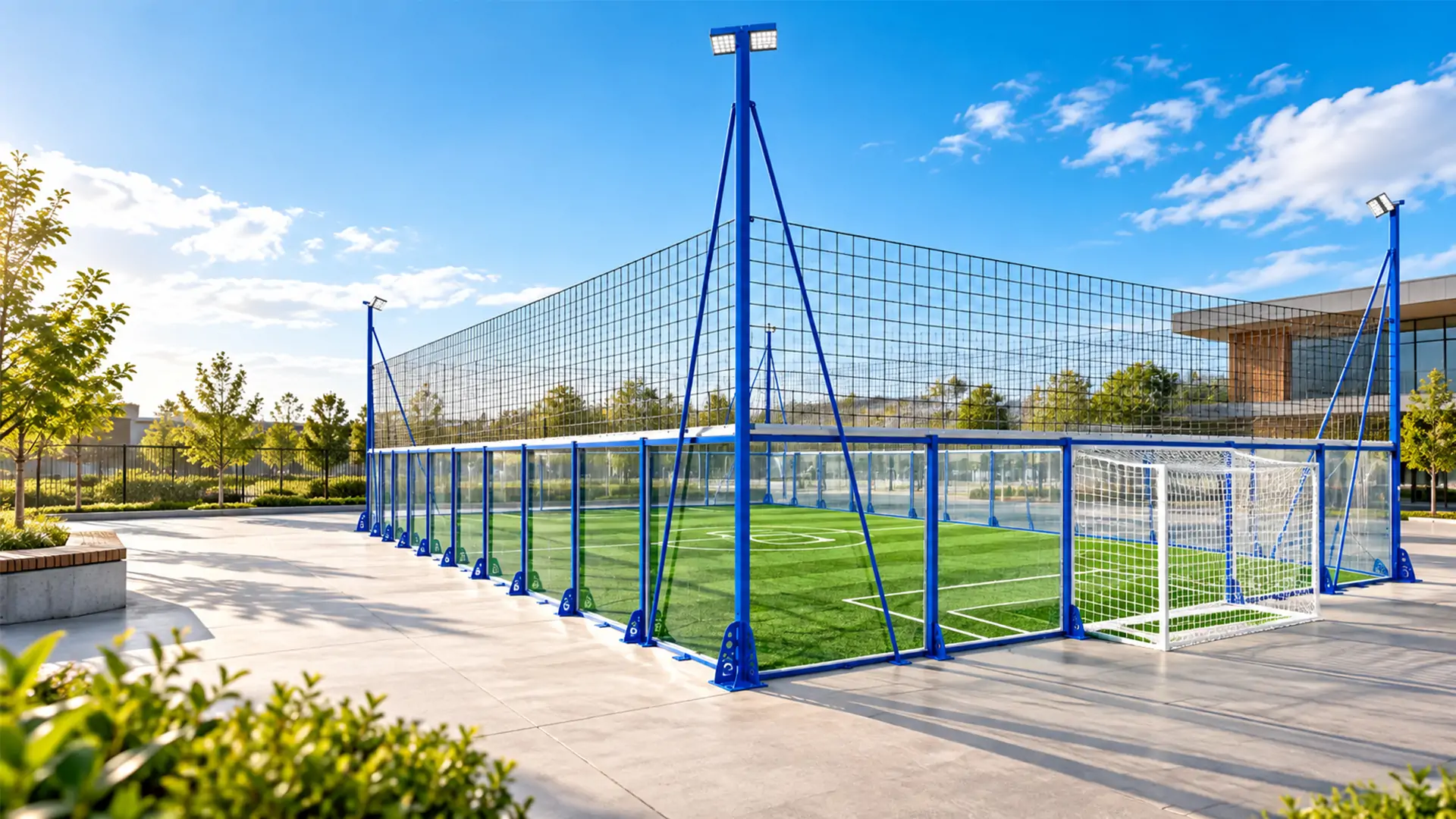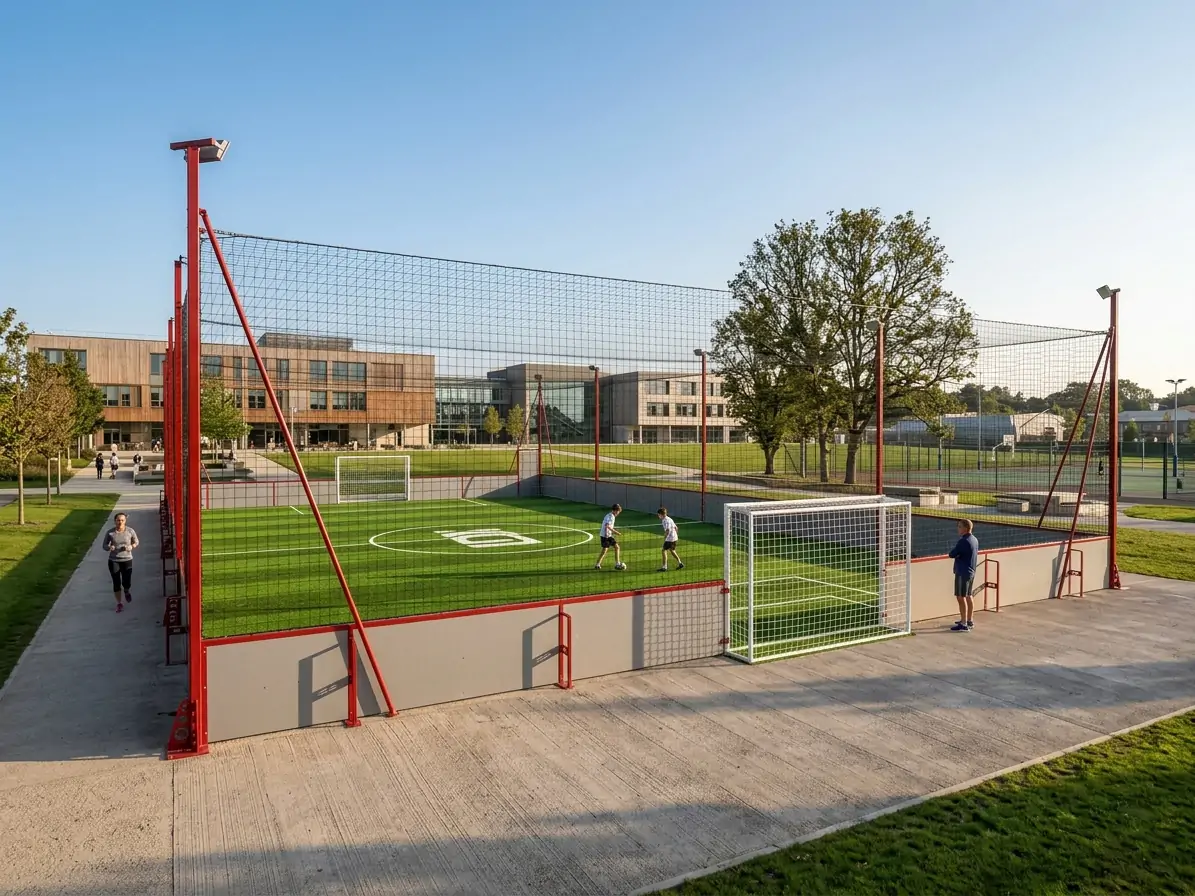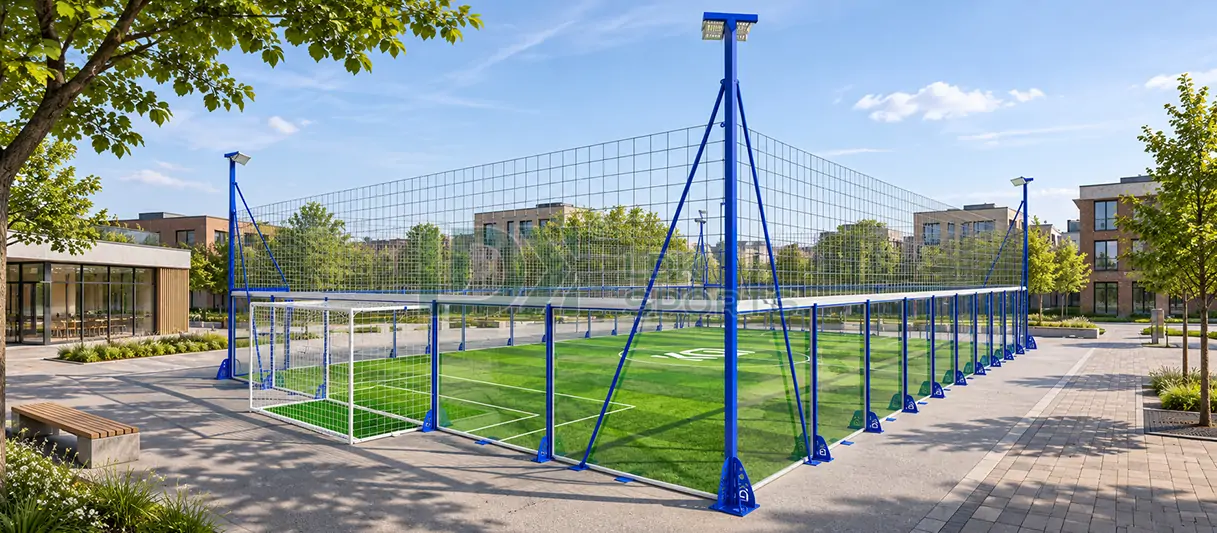
An empty corner of a school campus, an underused area beside a shopping center, or a section of a community park may not have enough room for a full-size football field. For organizations looking to offer small-sided games, however, these spaces could have another use.
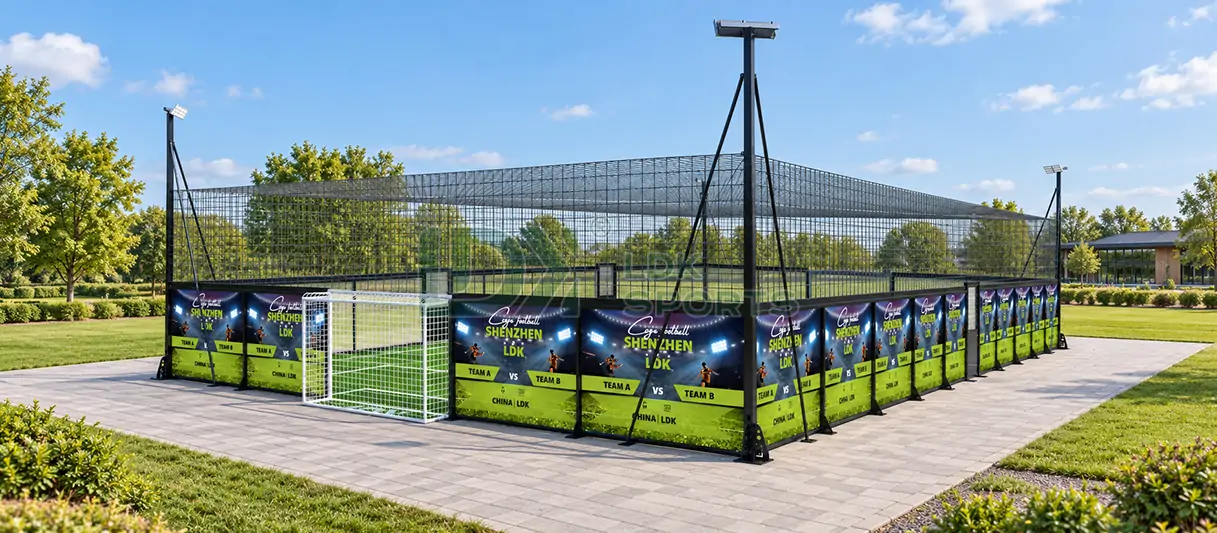
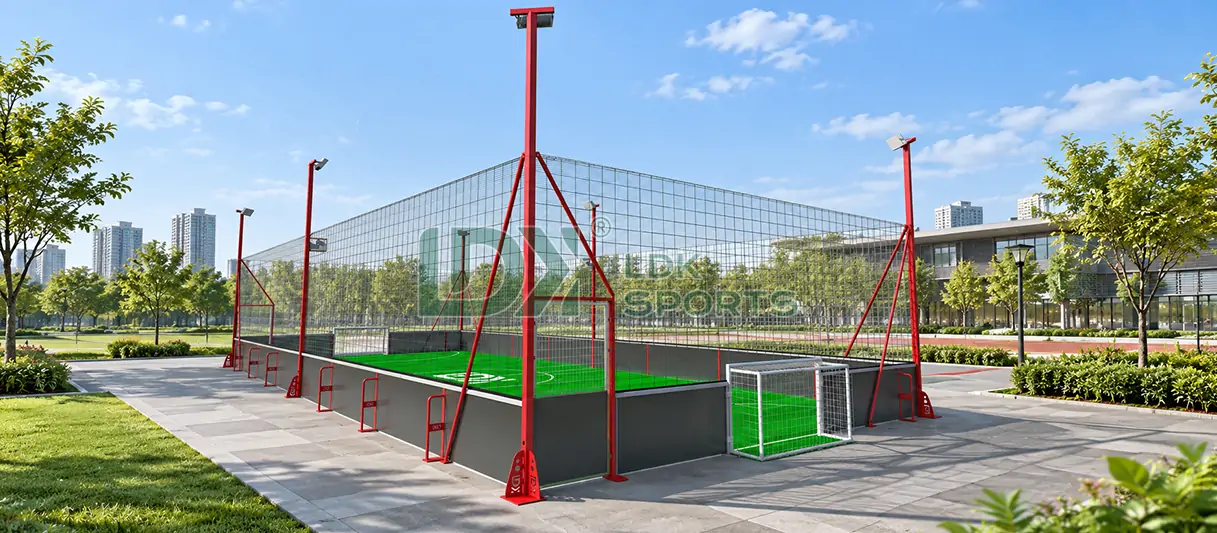
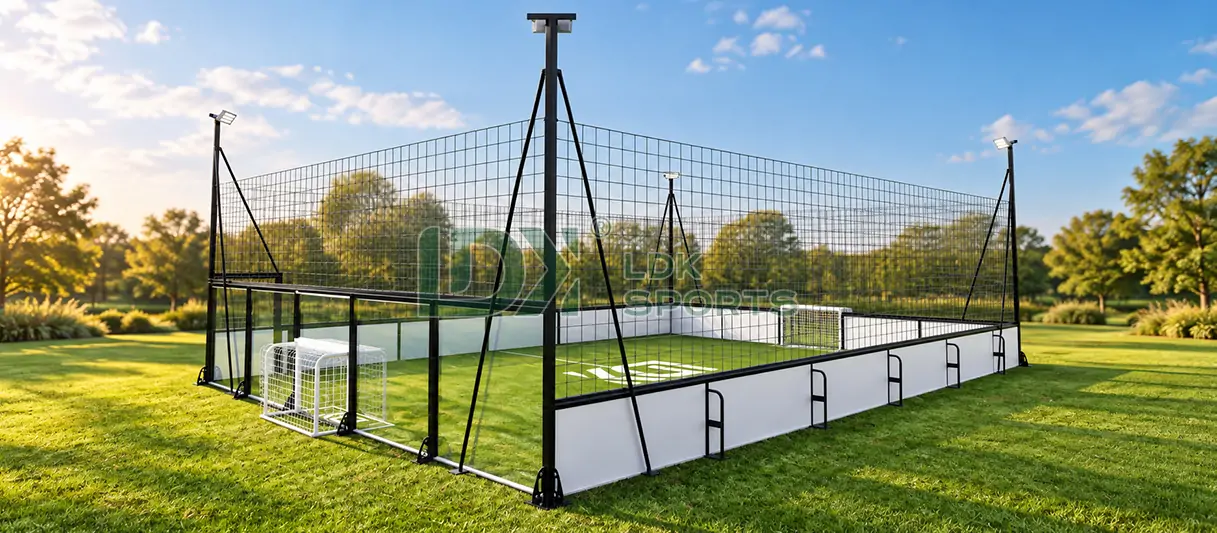
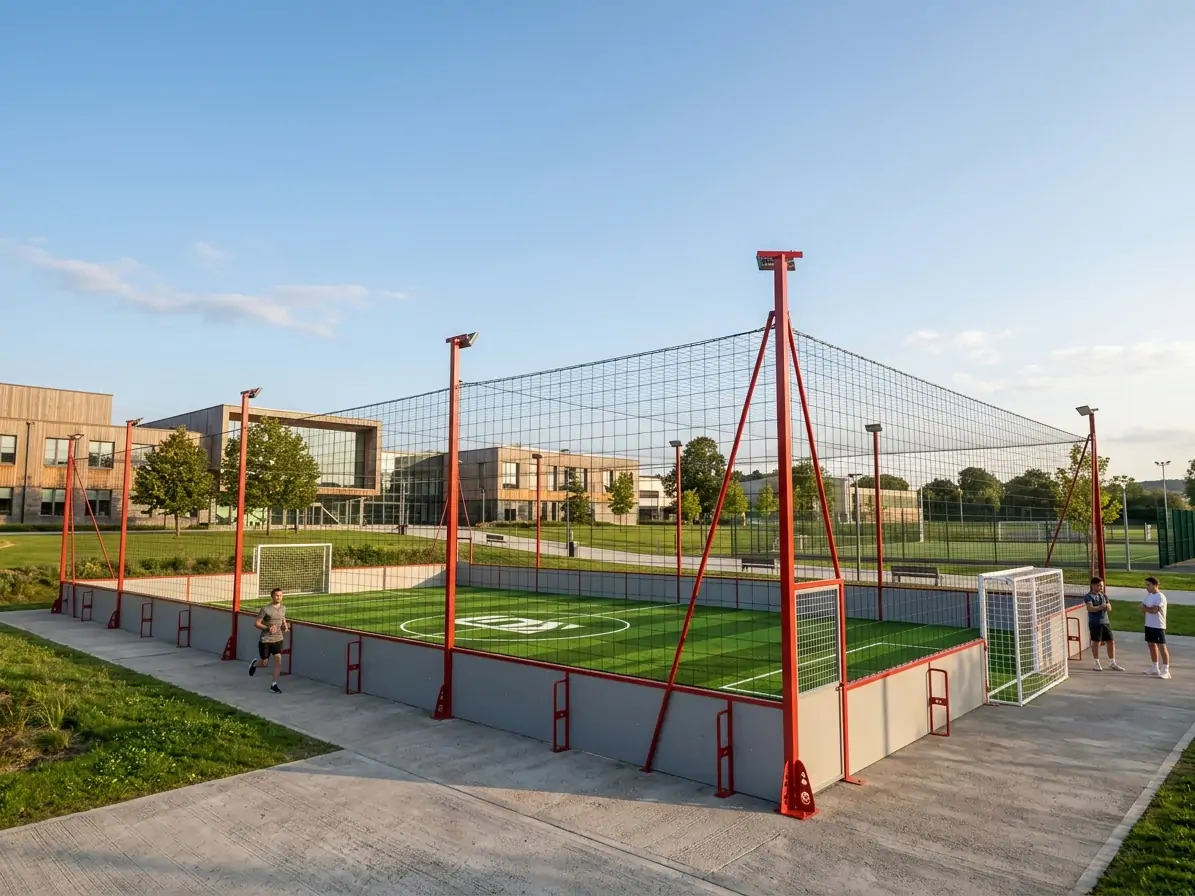
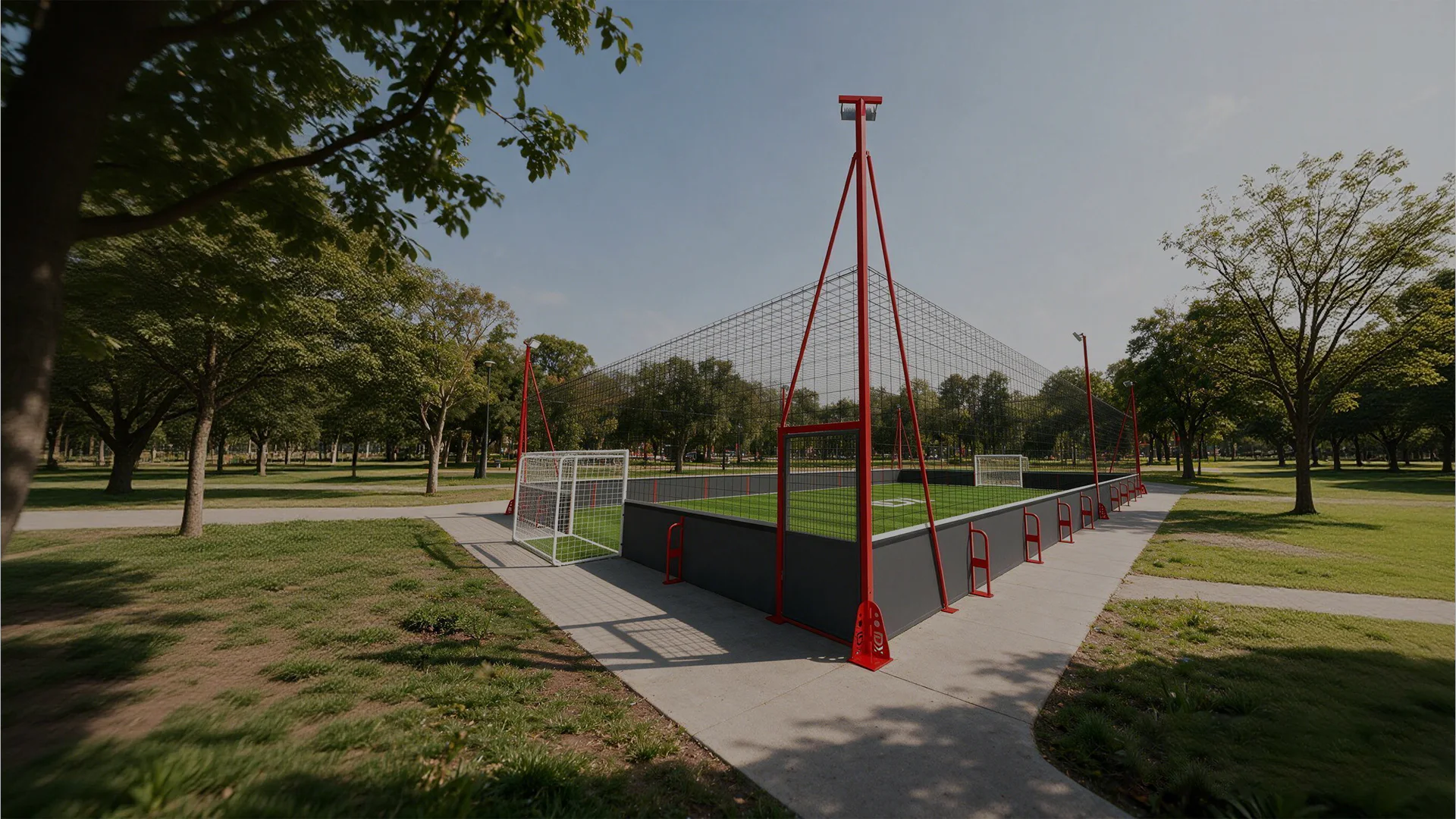
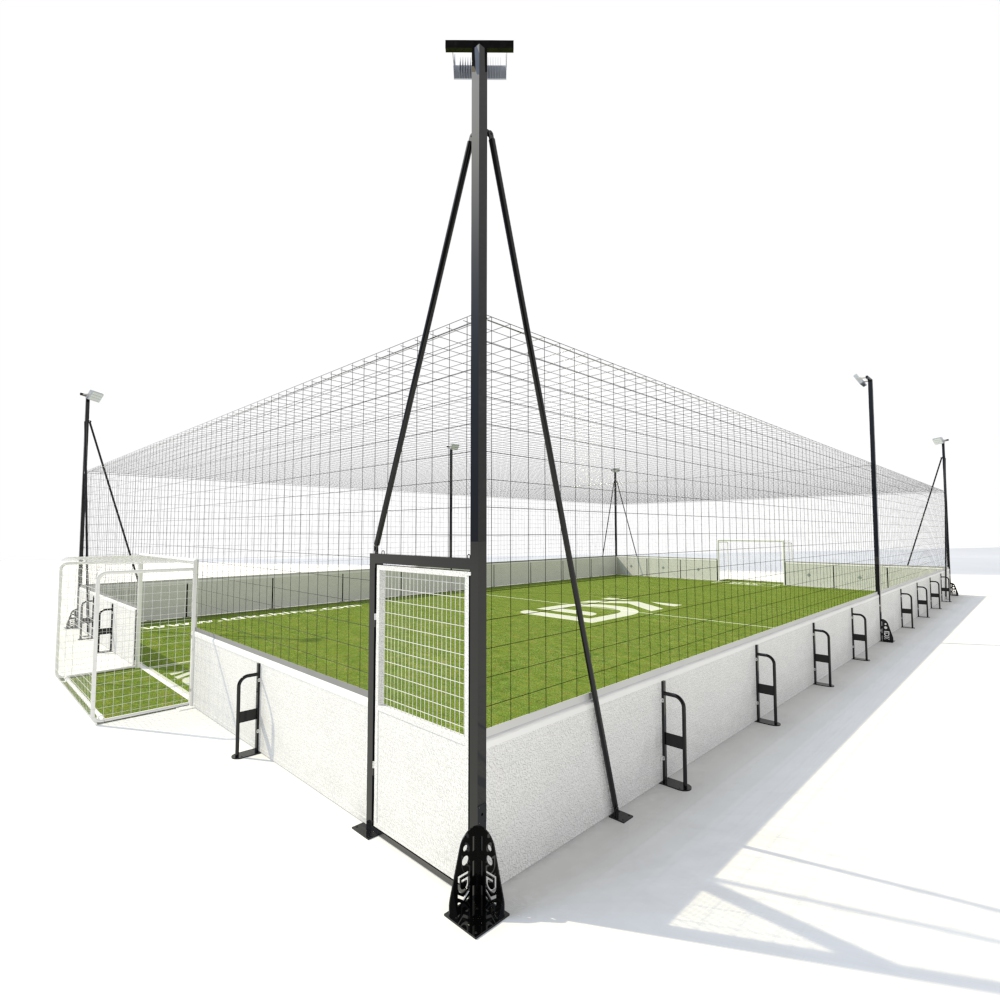
Cage football pitches are designed around a smaller playing area enclosed by fencing, allowing games and training sessions to take place within a defined space. Their size and layout can be adapted to a site, opening up possibilities for schools, community facilities and commercial operators working with limited land.
Turning an available space into a usable pitch still takes careful planning. The condition of the ground, drainage, access and surrounding properties all affect what can be built—and whether the finished venue will meet players’ needs.
Table of Contents
- A Different Approach to Football Space
- From School Campuses to Commercial Venues
- What Makes a Site Suitable?
- Looking Beyond the Initial Installation
- FAQ
- Plan Your Cage Football Project
A Different Approach to Football Space
A cage football pitch does not need to replicate a full-size field. It is intended for smaller groups of players and can be configured around the space available and the activities planned.
The surrounding enclosure helps keep the ball within the playing area, allowing games to continue with fewer interruptions. It also creates a clear boundary between the pitch and nearby paths, buildings or other facilities.
That flexibility gives project owners more options when assessing potential sites. A school might use an enclosed pitch for physical education and after-school training, while a sports operator might schedule coaching sessions, casual games and local competitions on the same court.
The format is not a substitute for every type of football facility. The dimensions and layout should match the intended users and game format, with enough space for safe access and any necessary clearance around the pitch.
From School Campuses to Commercial Venues
The priorities for a cage football pitch change depending on where it is built and who will use it.
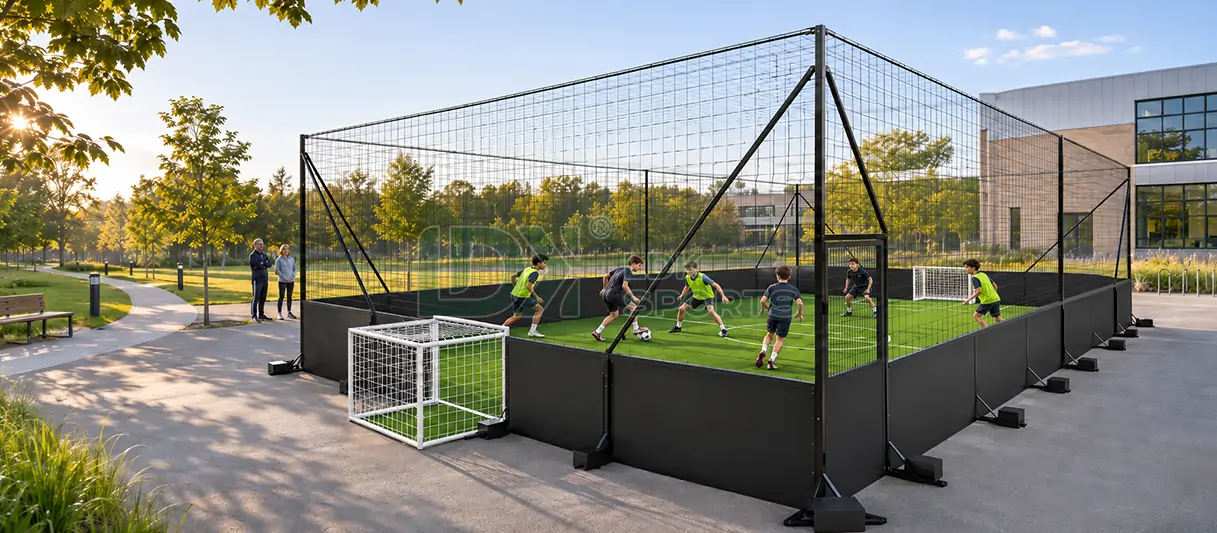
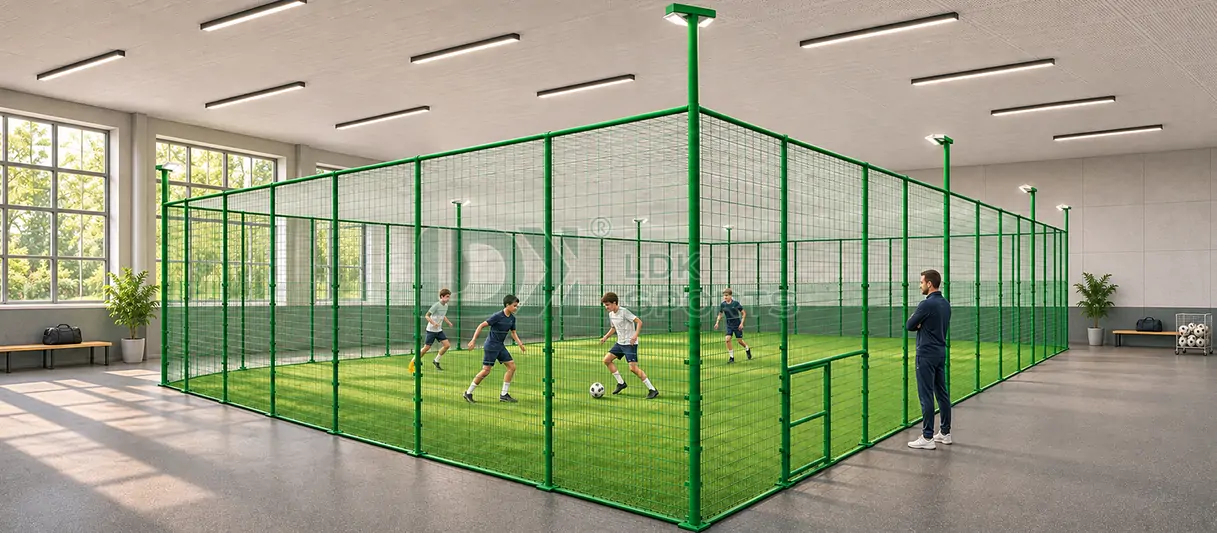
For schools and youth training centers, project teams may focus on supervision, age-appropriate play and access between the pitch and other facilities. A community venue may need to balance public use with the needs of nearby residents, including noise and opening hours.
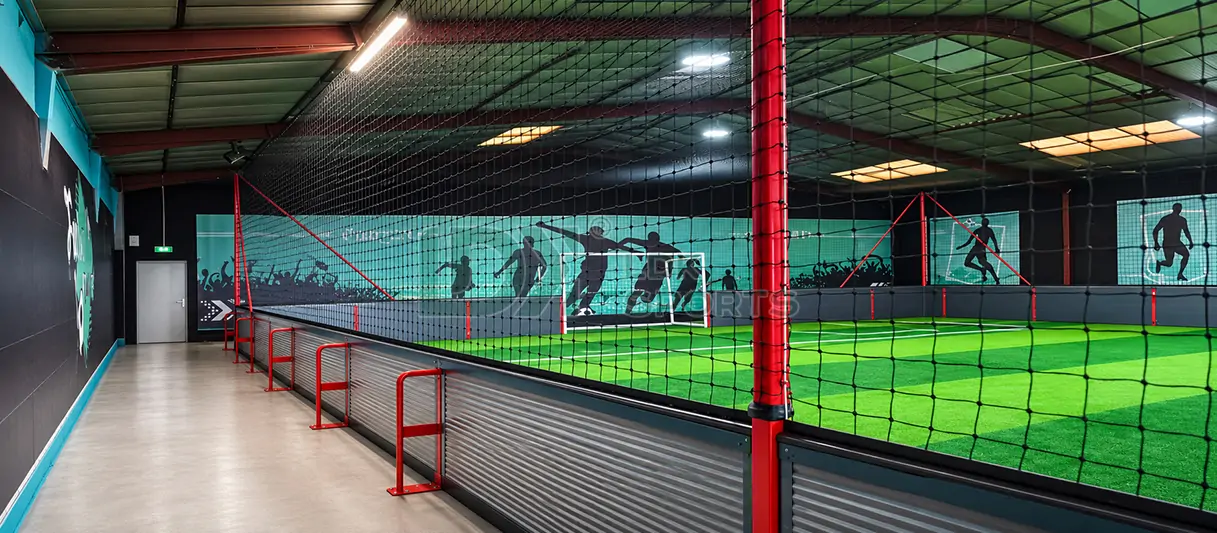
At commercial sports centers, operators may consider how different features support their planned activities. Lighting can make evening use possible, while seating and a scoreboard may be useful for organized games. Each addition should be weighed against its cost and the venue’s expected use.
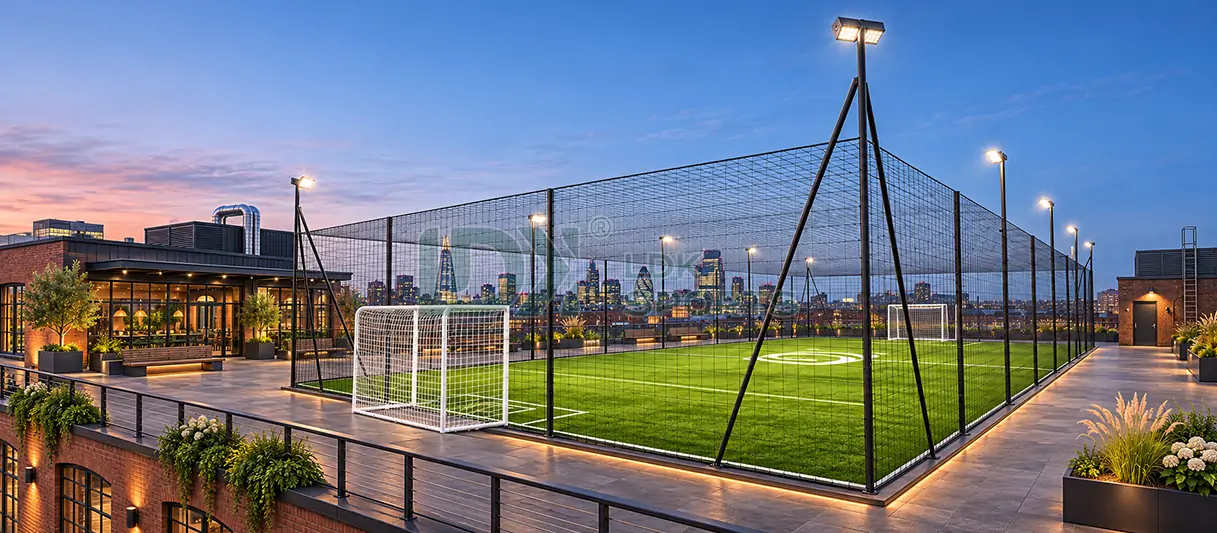
Other locations require more detailed investigation. A rooftop or elevated site, for example, needs an assessment of structural capacity, drainage, waterproofing and access before a pitch design can be finalized. Local approval requirements also need to be checked.
What Makes a Site Suitable?
The first question is not simply whether a pitch fits within the available space. Project owners also need to understand what lies beneath it and how players will reach and use the finished facility.
Ground conditions and drainage affect both construction and ongoing maintenance. An artificial turf surface, for instance, needs an appropriate base and drainage plan; the turf alone cannot resolve problems caused by water collecting underneath it.
The enclosure and access points deserve attention too. Buyers should review the frame, mesh, gates and fixing details, looking for potential hazards such as exposed edges or protruding components. Gate placement should support the planned flow of players and maintenance staff.
The playing surface should be selected for the intended use. Turf products differ in construction and maintenance needs, so project owners should request specifications and supporting documentation for any performance or certification claims.
Where evening activity is planned, lighting design should take the surrounding area into account as well as the pitch itself. Glare, light spill and neighboring properties can all influence the final layout.
Looking Beyond the Initial Installation
A cage football pitch can serve many different users, but its long-term value depends on how well it is maintained and managed.
Before comparing quotations, buyers should identify what each price includes. Site preparation, the playing surface, enclosure, installation, lighting and transport may be quoted separately. Maintenance, repairs and eventual replacement of components should also be considered in the project budget.
Some projects may benefit from optional features such as cameras, scoreboards or spectator seating. For a training center, video recording might support coaching; for a commercial venue, it could be part of the player experience. Owners should check the capabilities and ongoing costs of these systems before including them in the plan.
A modular enclosure may offer advantages for transport or assembly, although installation requirements vary by design and site. Clear drawings, an itemized quotation and installation guidance can help project teams understand the work involved before construction begins.
For any organization considering an unused space, the starting point is to define the purpose: who will play, how often the pitch will be used and what the site can safely support. Those answers provide the basis for choosing the right layout and equipment.
FAQ
What is the difference between cage football and futsal?
Cage football is played inside an enclosed pitch, often on artificial turf. Futsal is a specific game format typically played on a hard court.
How much does a cage football pitch cost?
The cost depends on the pitch size, surface, enclosure and optional equipment. Site preparation and shipping may add to the total.
Can the pitch be customized?
Depending on the supplier, you may be able to customize the size, colors, markings and branding.
How much maintenance does artificial turf need?
Regular care includes removing debris, brushing the surface and checking seams. Infill pitches may also need periodic infill maintenance.
Can a cage football pitch be moved?
Some modular systems can be dismantled and reinstalled. Confirm this with the supplier before ordering.
What information is needed for a quote?
Share your site dimensions, location, intended use and any requirements for lighting or branding.
Plan Your Cage Football Project
Have a space that could become a football pitch? Share your site dimensions, location, intended users and desired features with our team. We can discuss a suitable configuration and prepare a quotation based on your project requirements.
Contact us to start planning your cage football pitch.