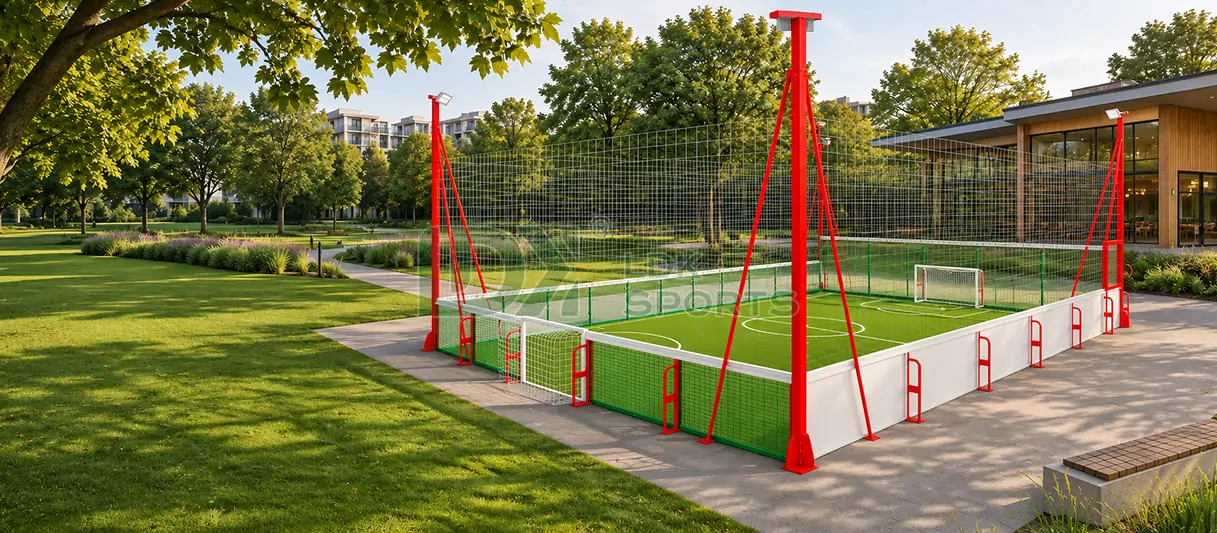
FIFA mini-pitch projects in Latin America are drawing attention to smaller football facilities and their role in bringing the game closer to local communities. For schools, municipalities and venue operators, enclosed cage football fields offer one possible way to develop small-sided playing spaces.
FIFA and the Inter-American Development Bank Group launched a programme in Mexico in June 2026 to deliver eight community football mini-pitches across urban and rural areas by the end of the year. The initiative, developed with the Mexican Football Federation, is intended to expand access to football and support education and social inclusion.
These projects are part of a broader FIFA initiative aiming to create at least 1,000 mini-pitches worldwide by 2031. While a mini-pitch is not necessarily the same as a cage football field, both reflect interest in smaller spaces where people can play close to home.
Contents
- Why small football pitches are attracting attention
- Where cage football fields fit in
- What project planners need to consider
- What comes next
- FAQ
Why Small Football Pitches Are Attracting Attention
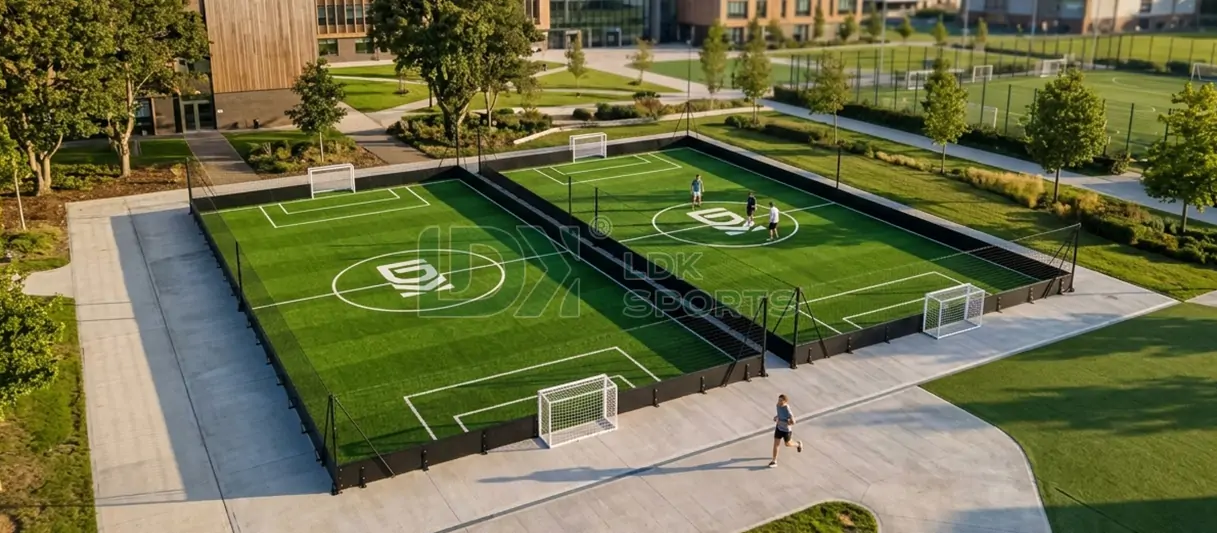
A full-size football pitch is not the only way to bring the sport to a community. Smaller facilities can accommodate informal games, training sessions and organized activities in locations where a larger field may be difficult to develop.
The recent projects in Mexico and Peru show how the idea can be adapted to different communities. FIFA says the Mexico programme will serve both urban and rural areas, while the Puerto Pizarro facility was built on a site already used by local children for football.
The approach also puts attention on what happens beyond construction. Access, maintenance and local programming all affect whether a pitch remains useful after its opening. In Peru’s capital, Lima, FIFA said the national football association and local council would jointly oversee the city’s first FIFA Arena facility.
Where Cage Football Fields Fit In
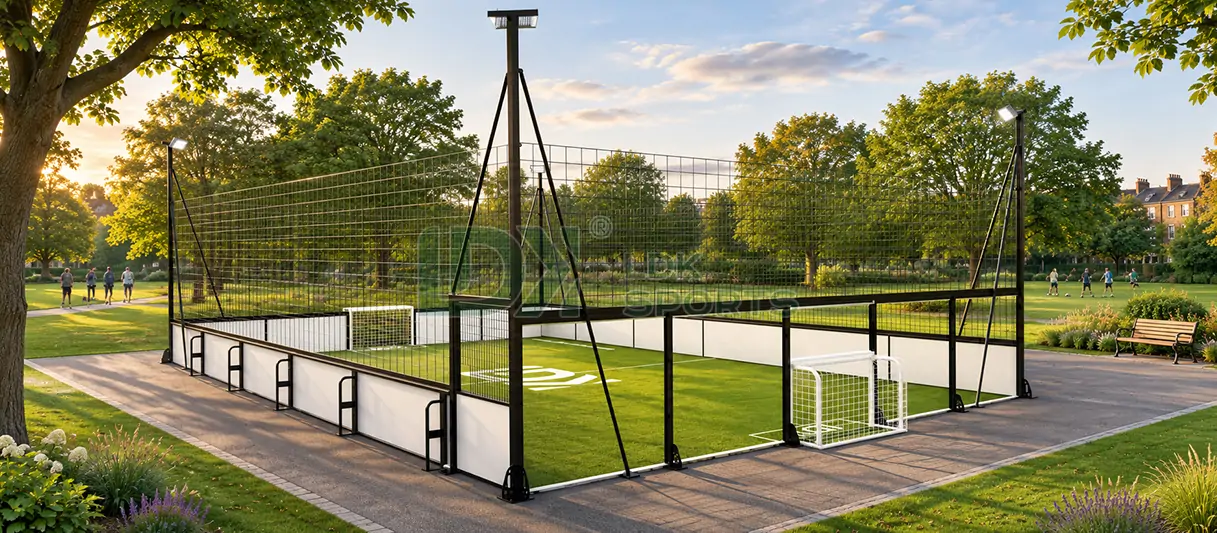
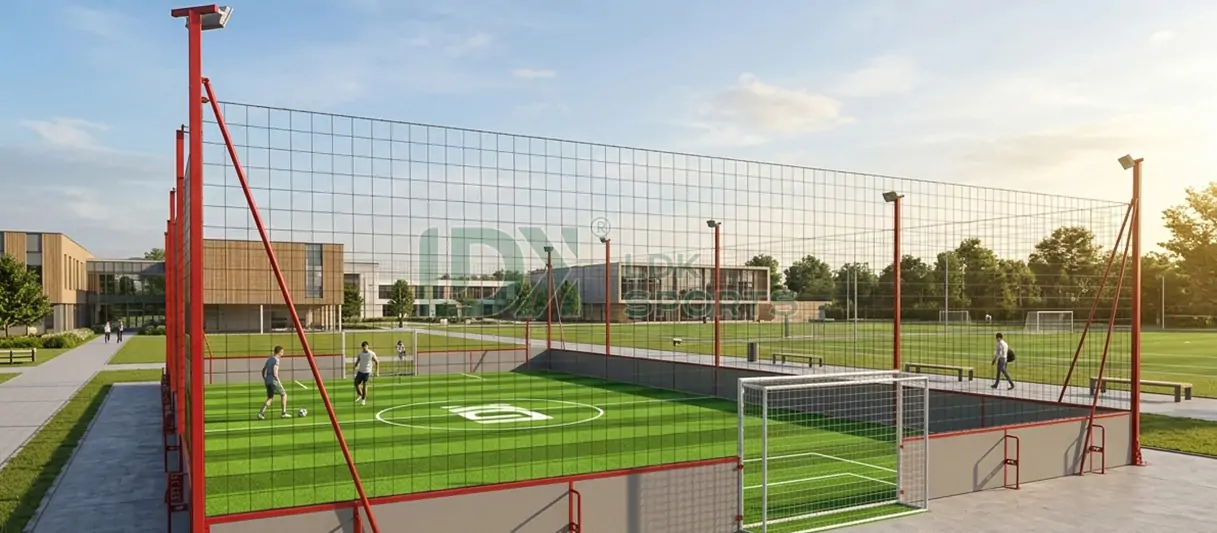
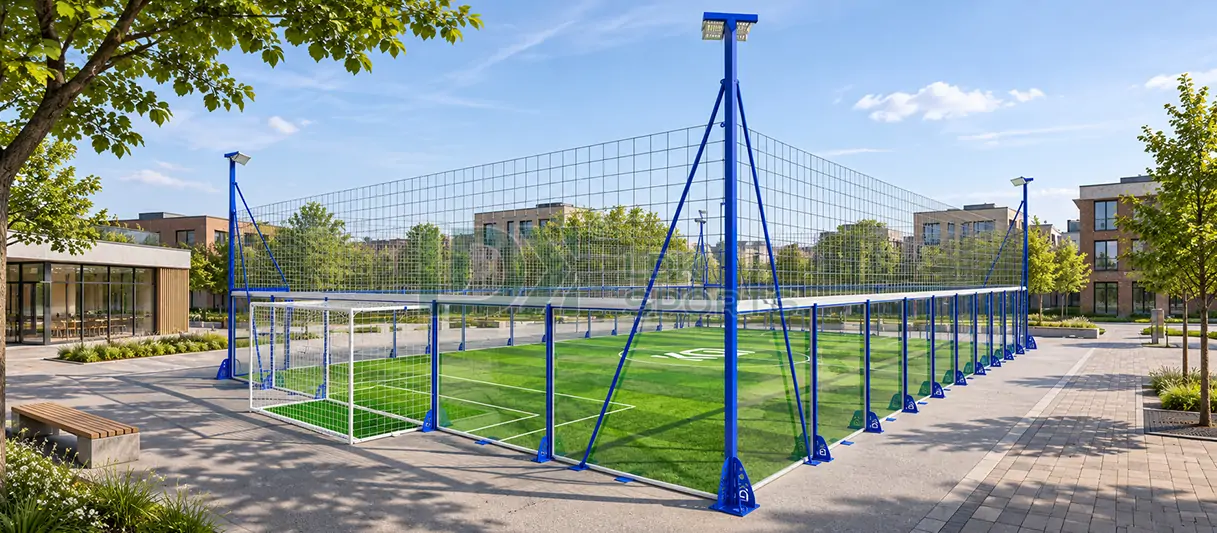
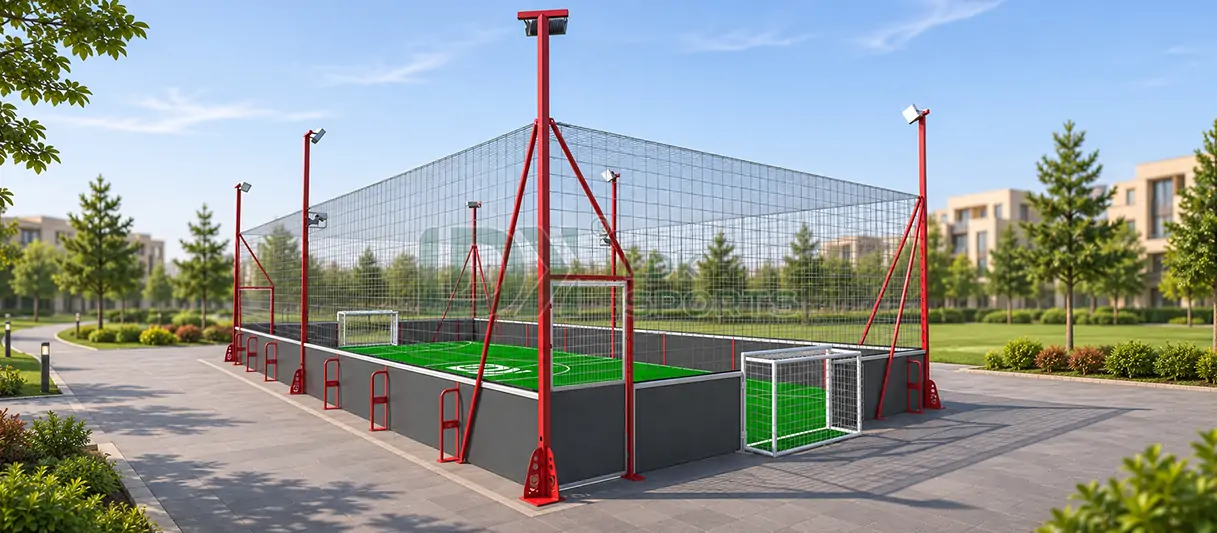
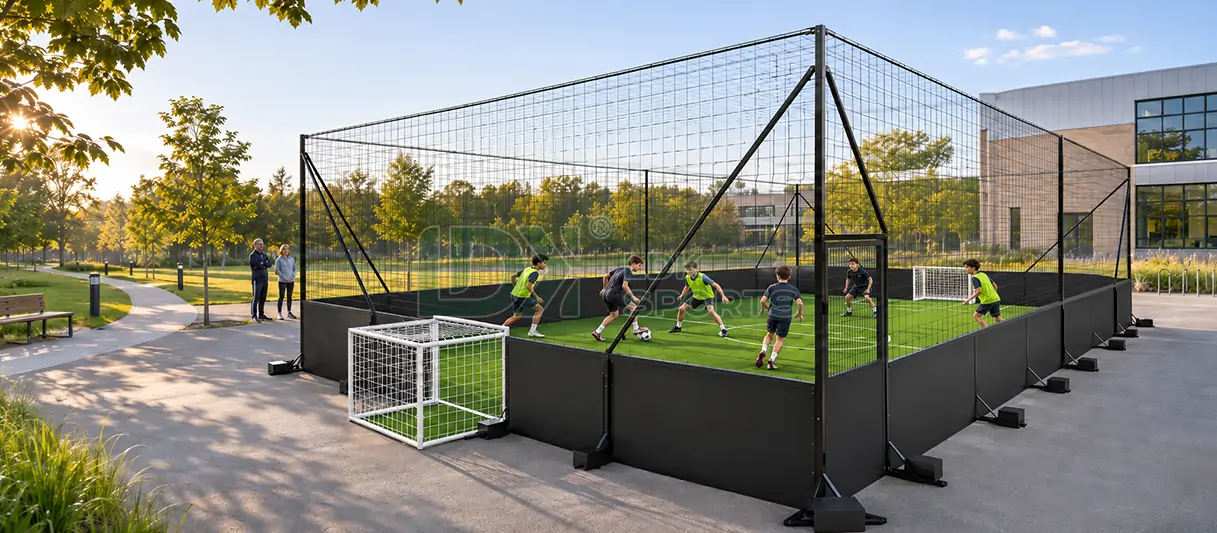
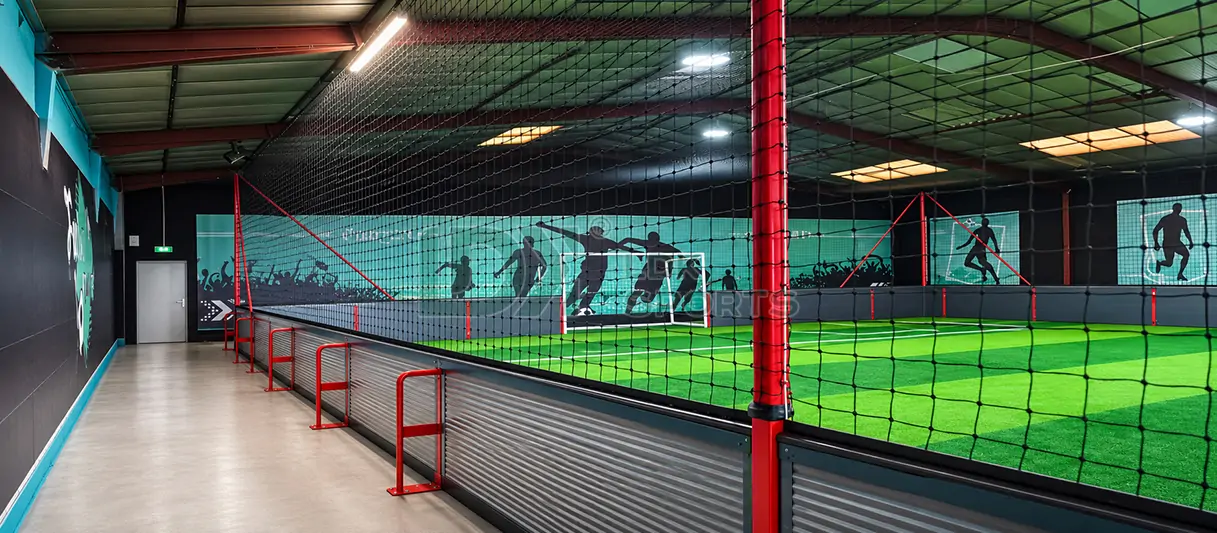
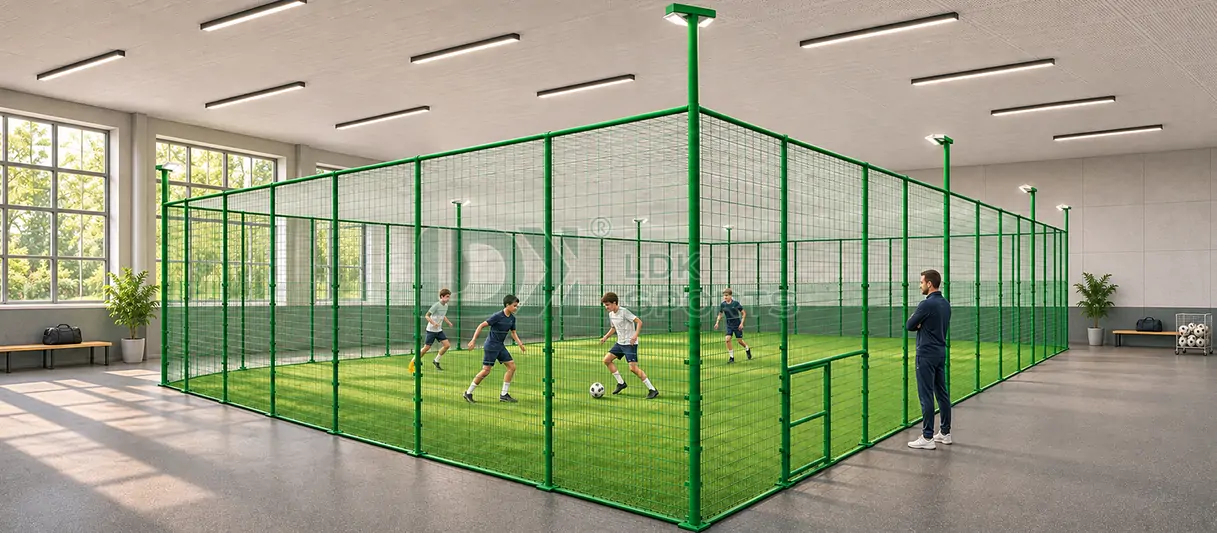
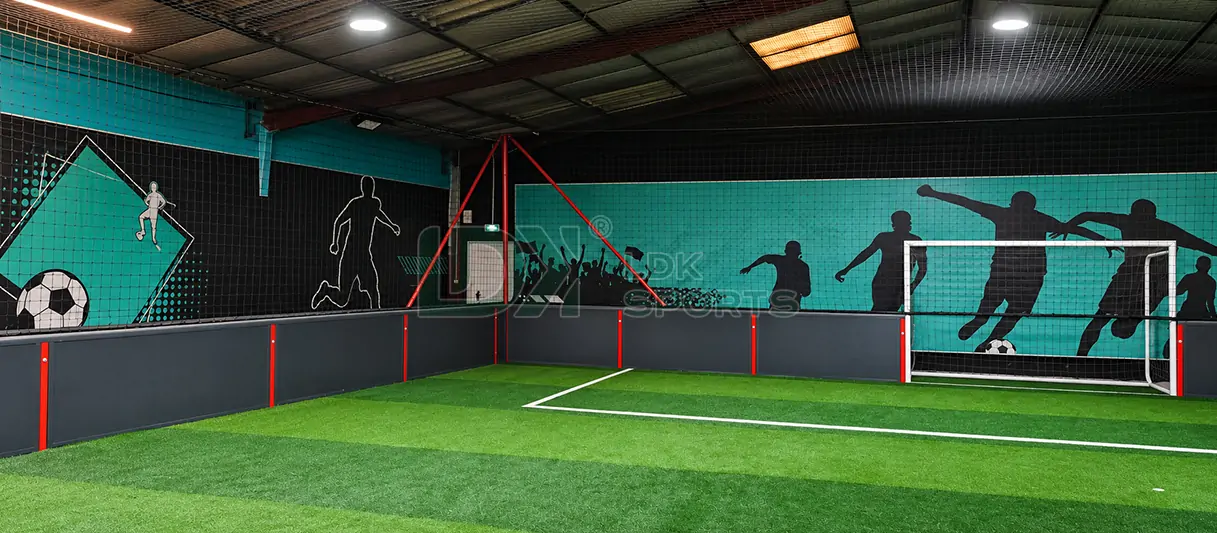
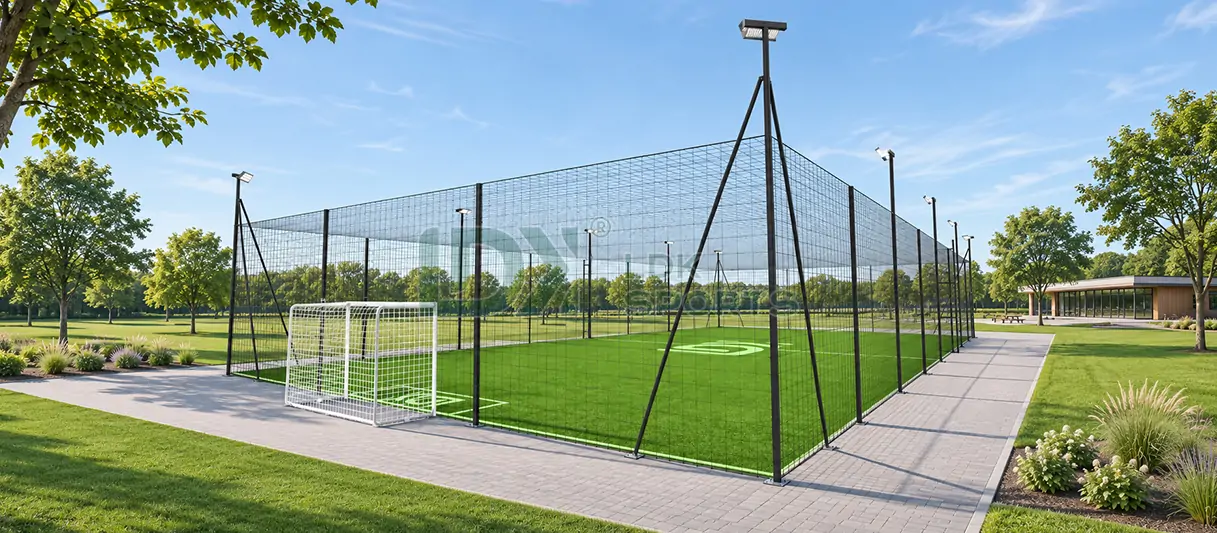
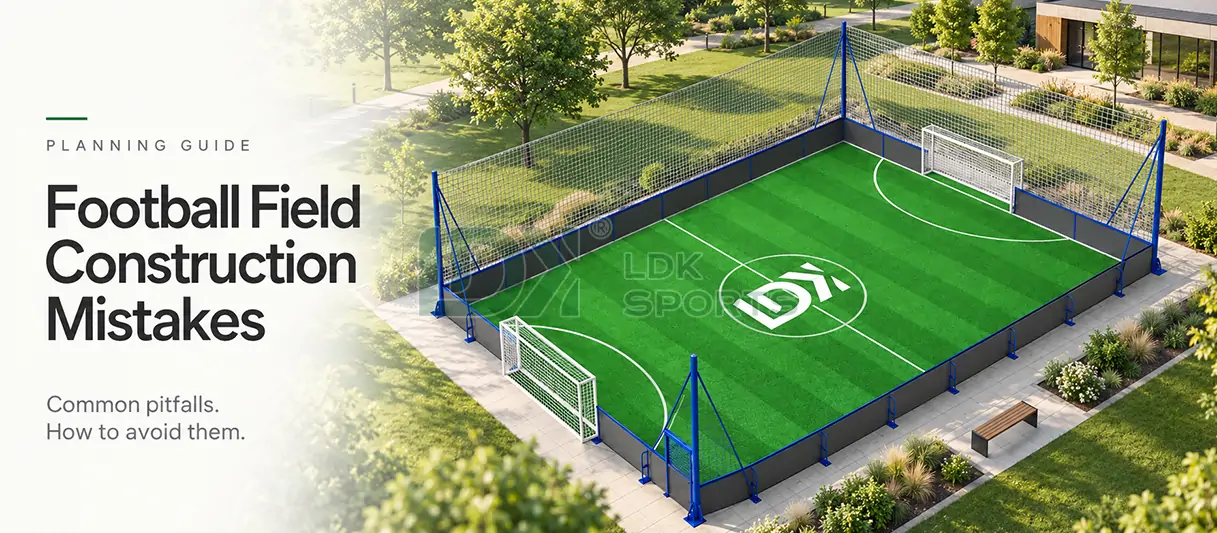
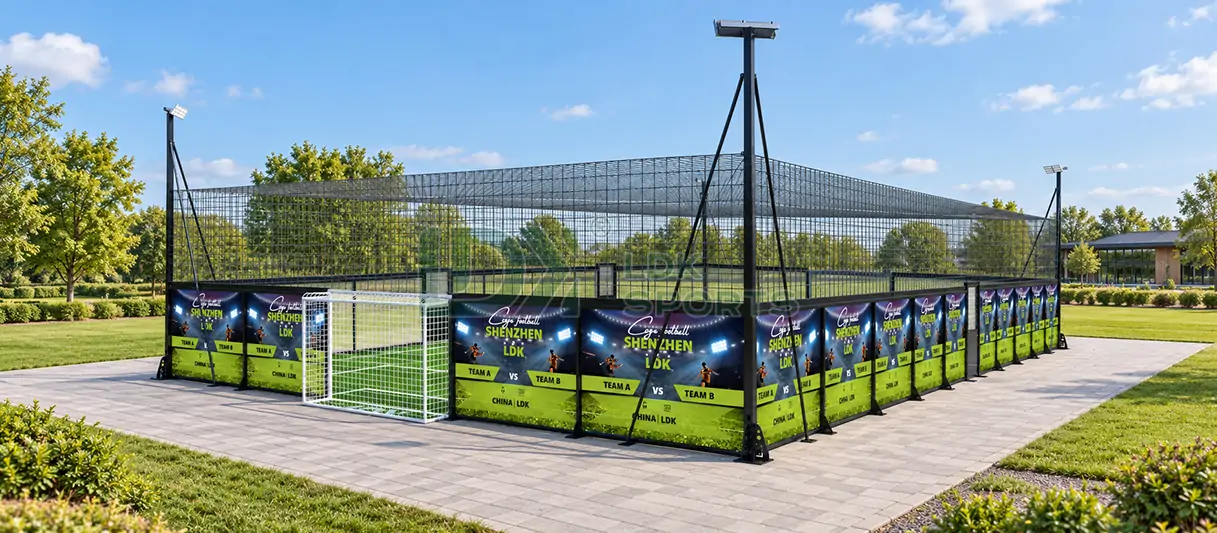
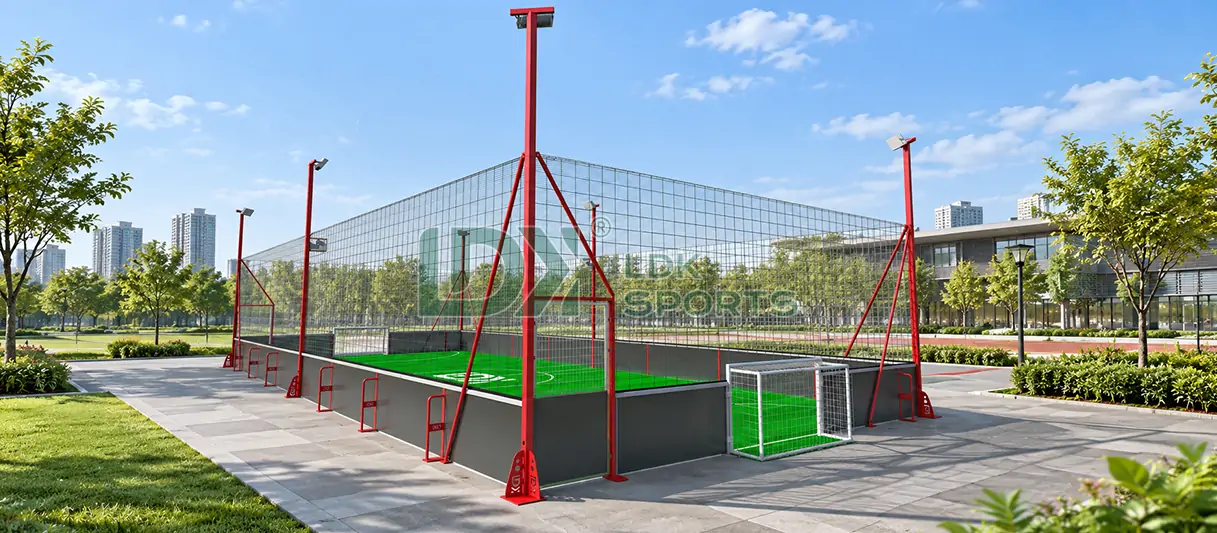
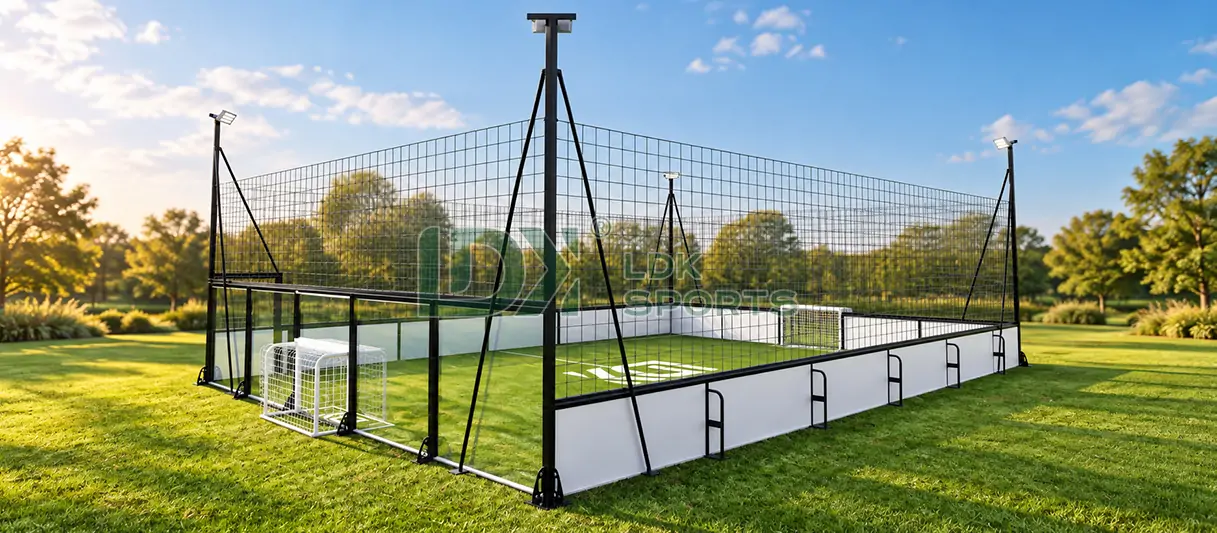
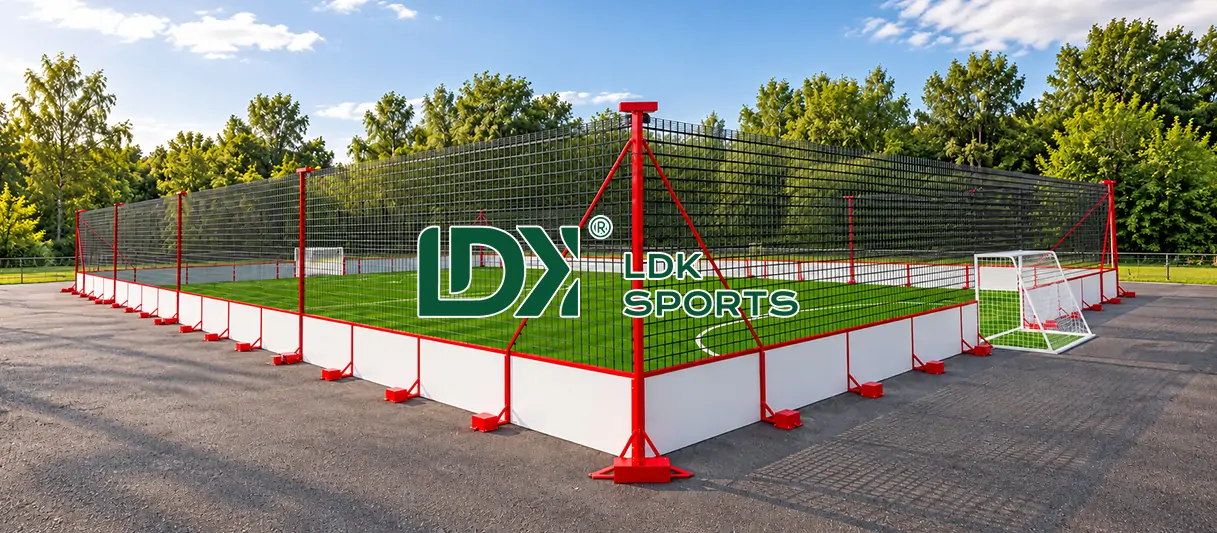
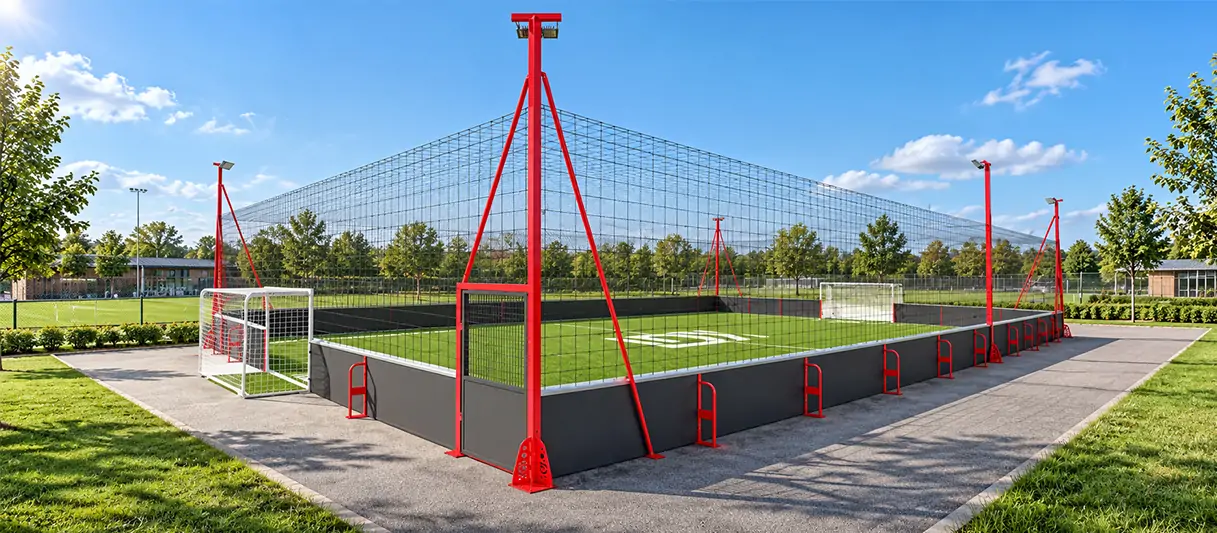
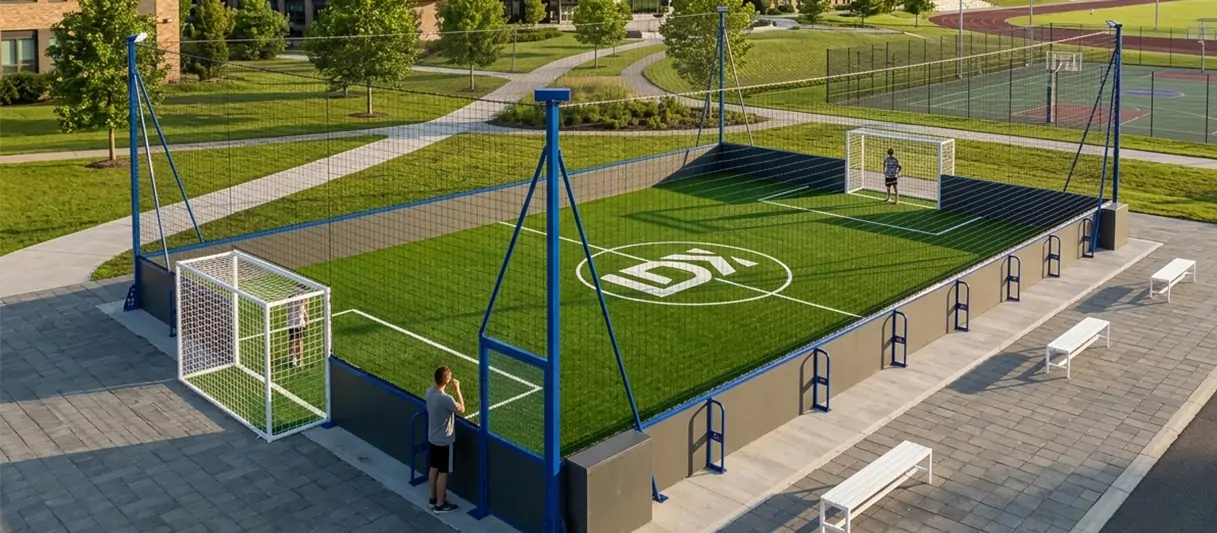
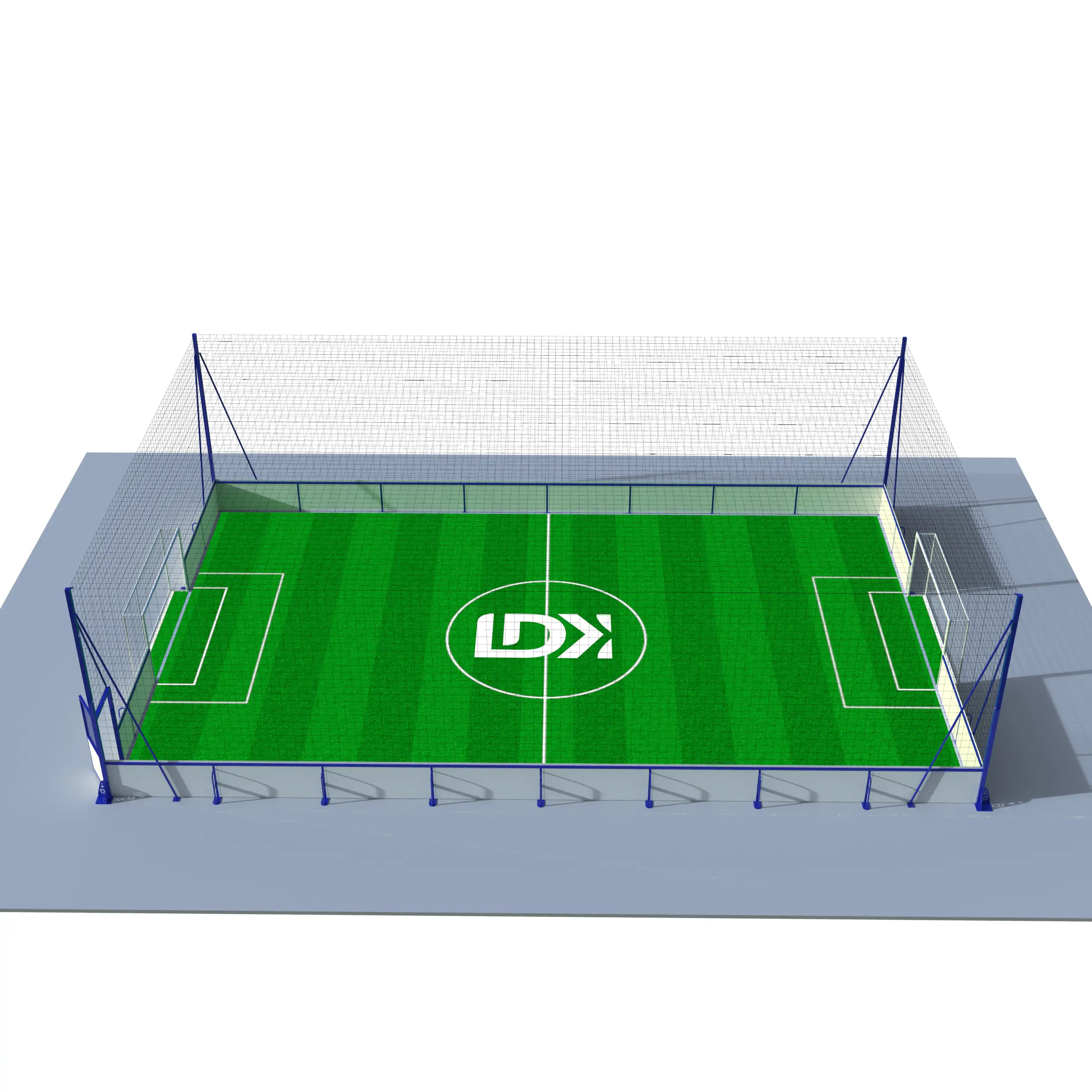
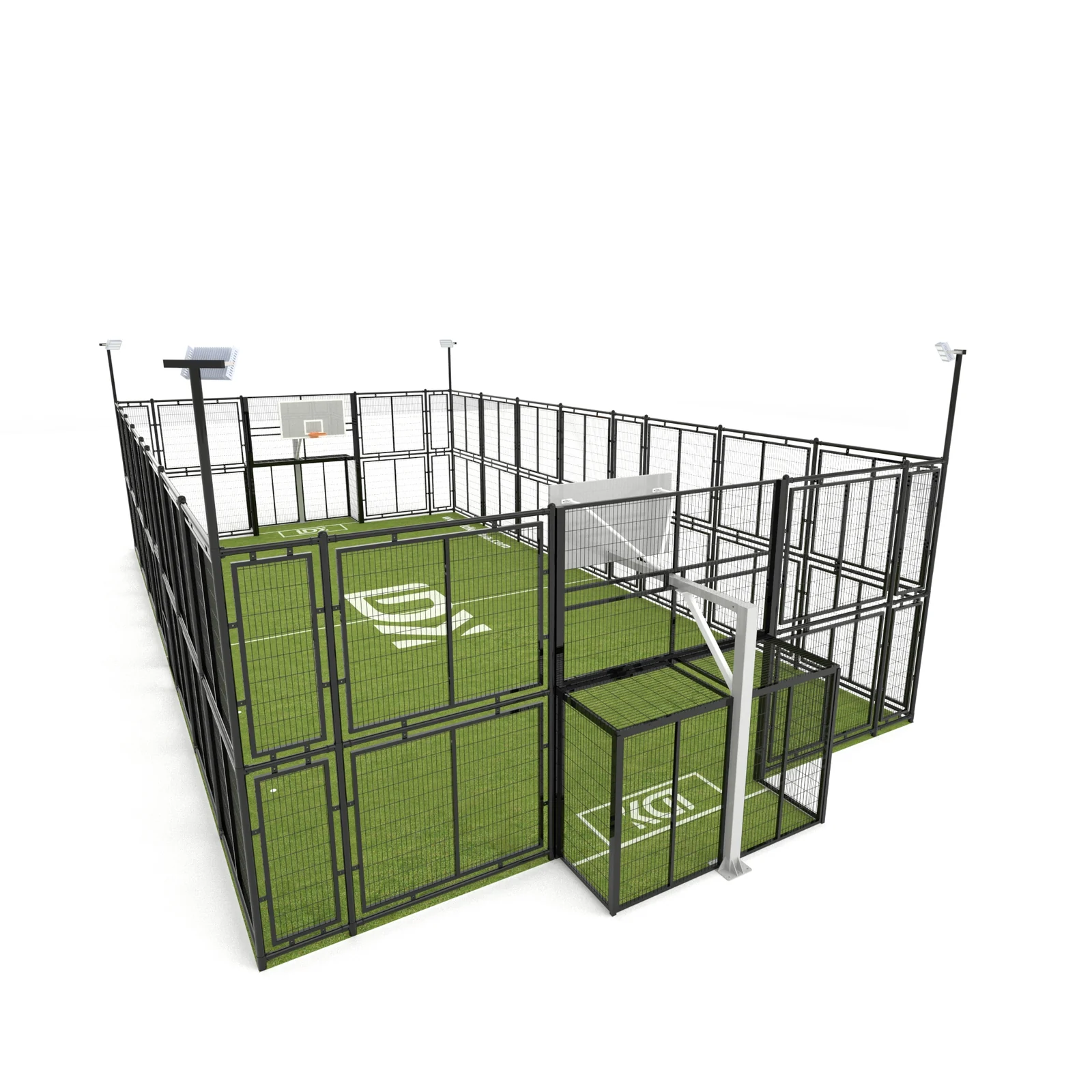
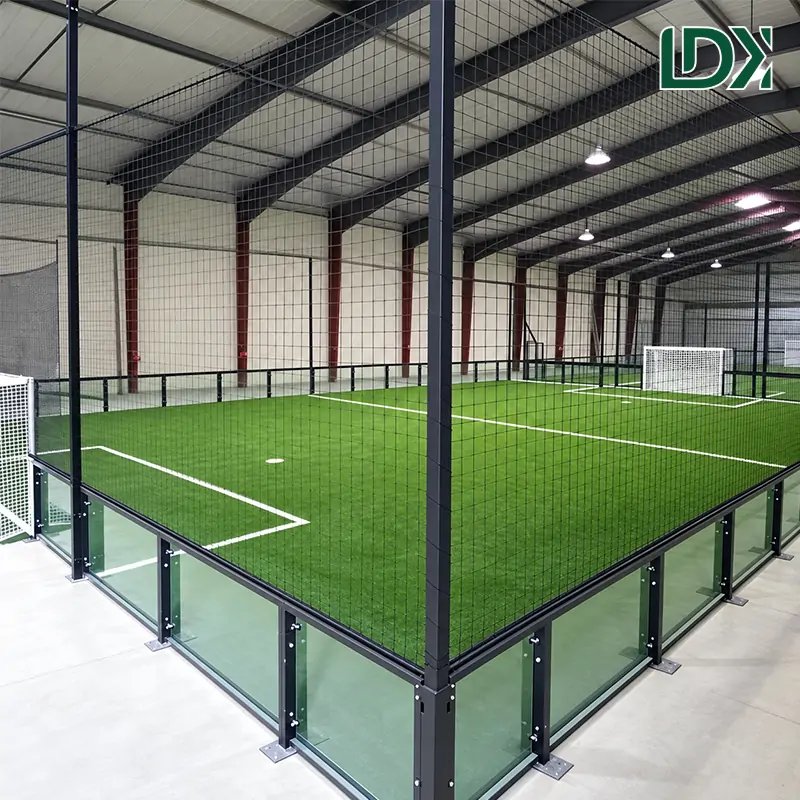
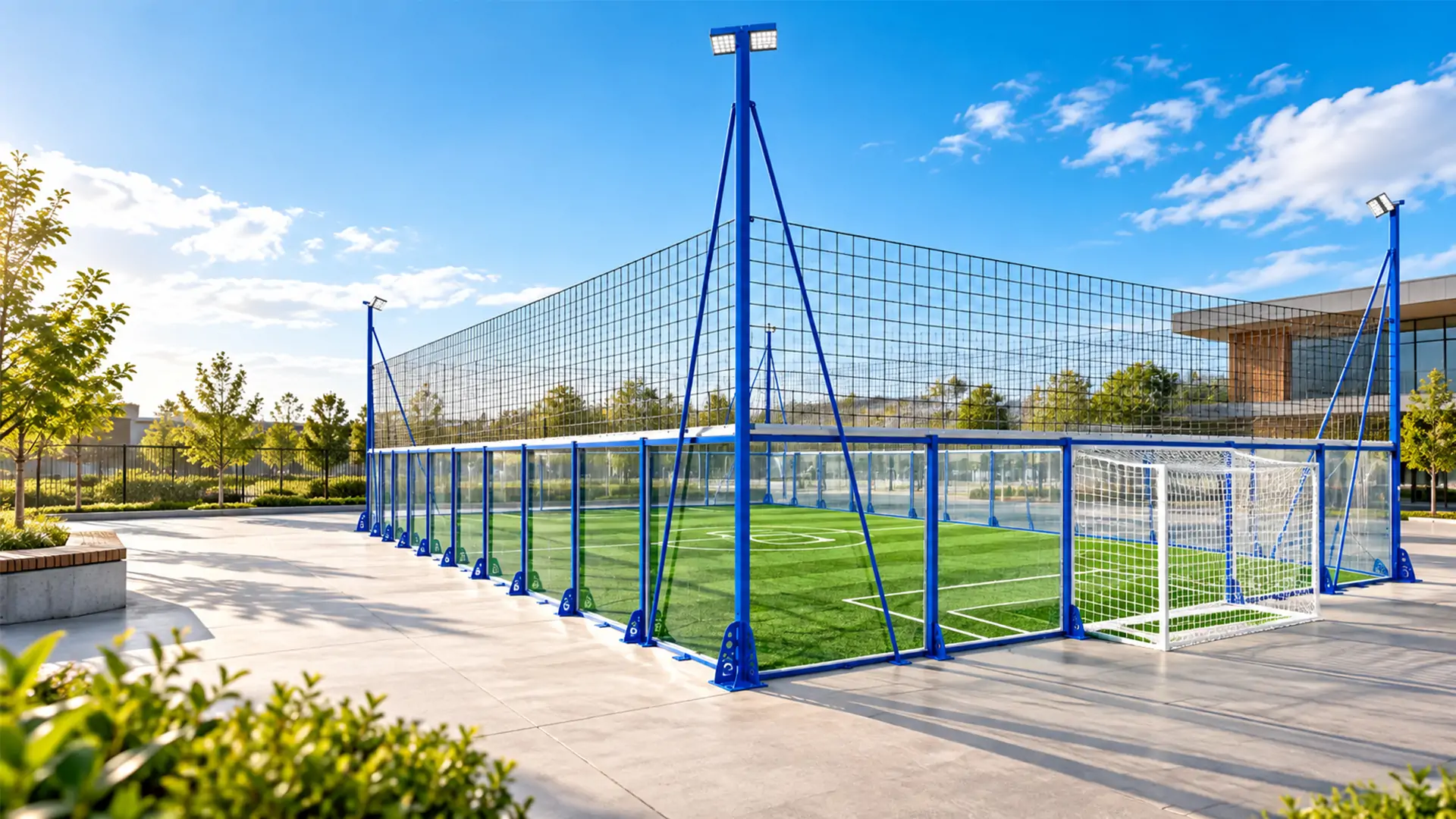
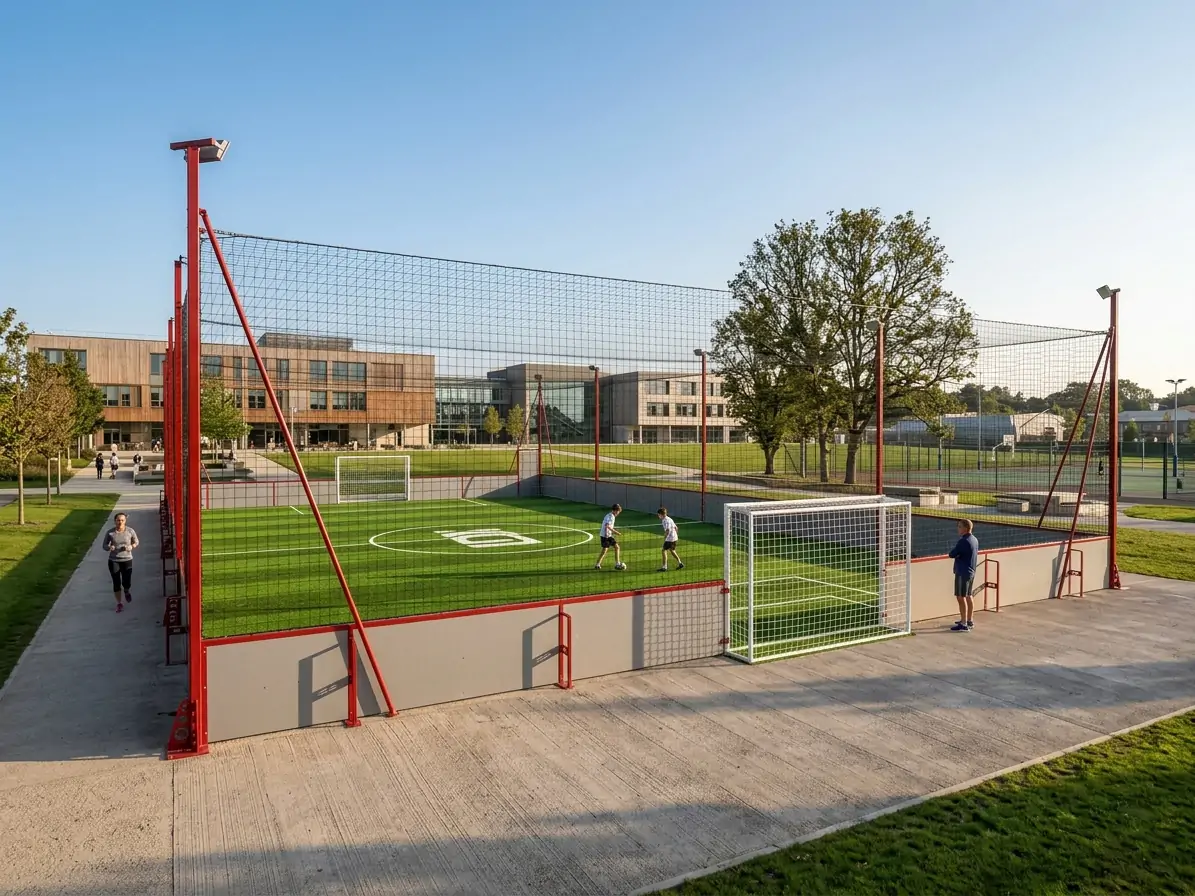
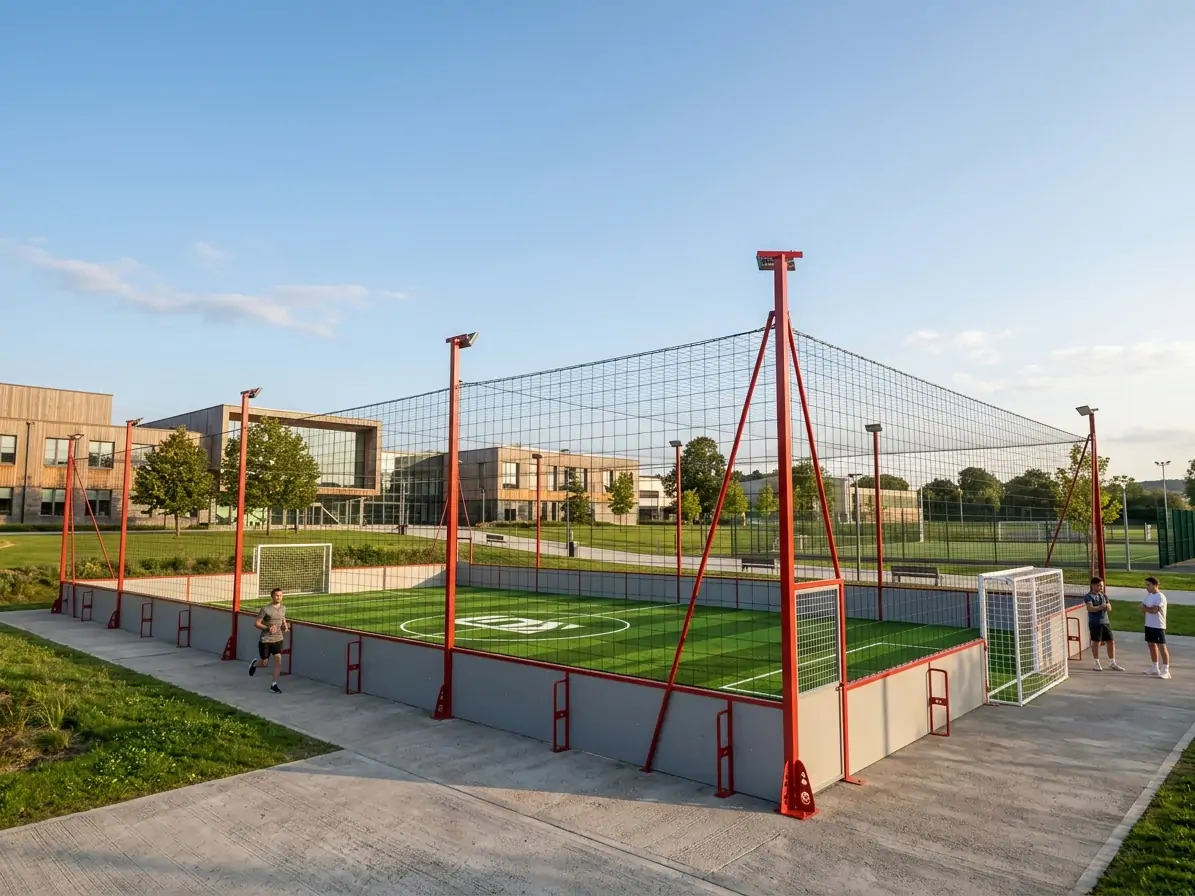
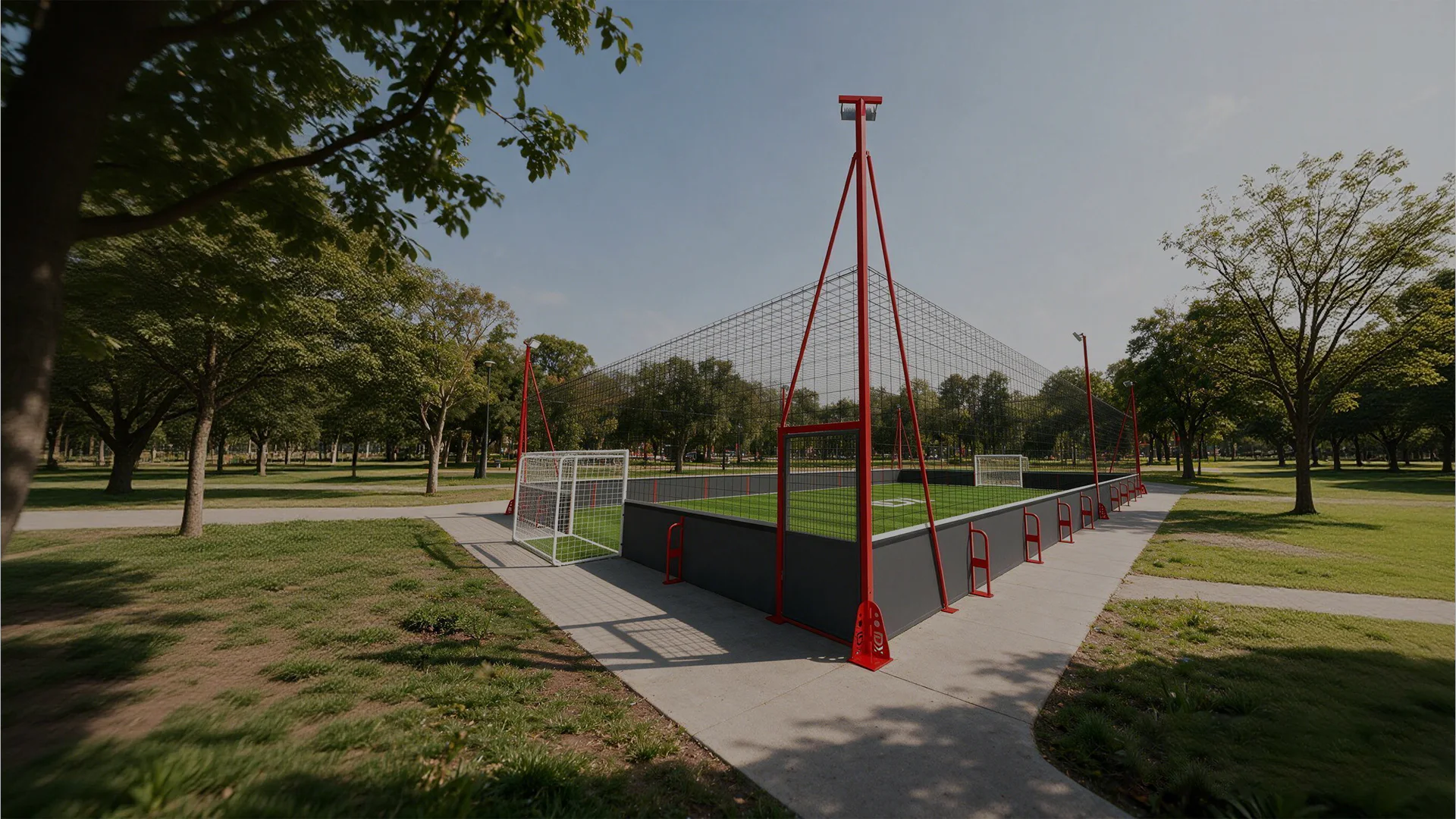
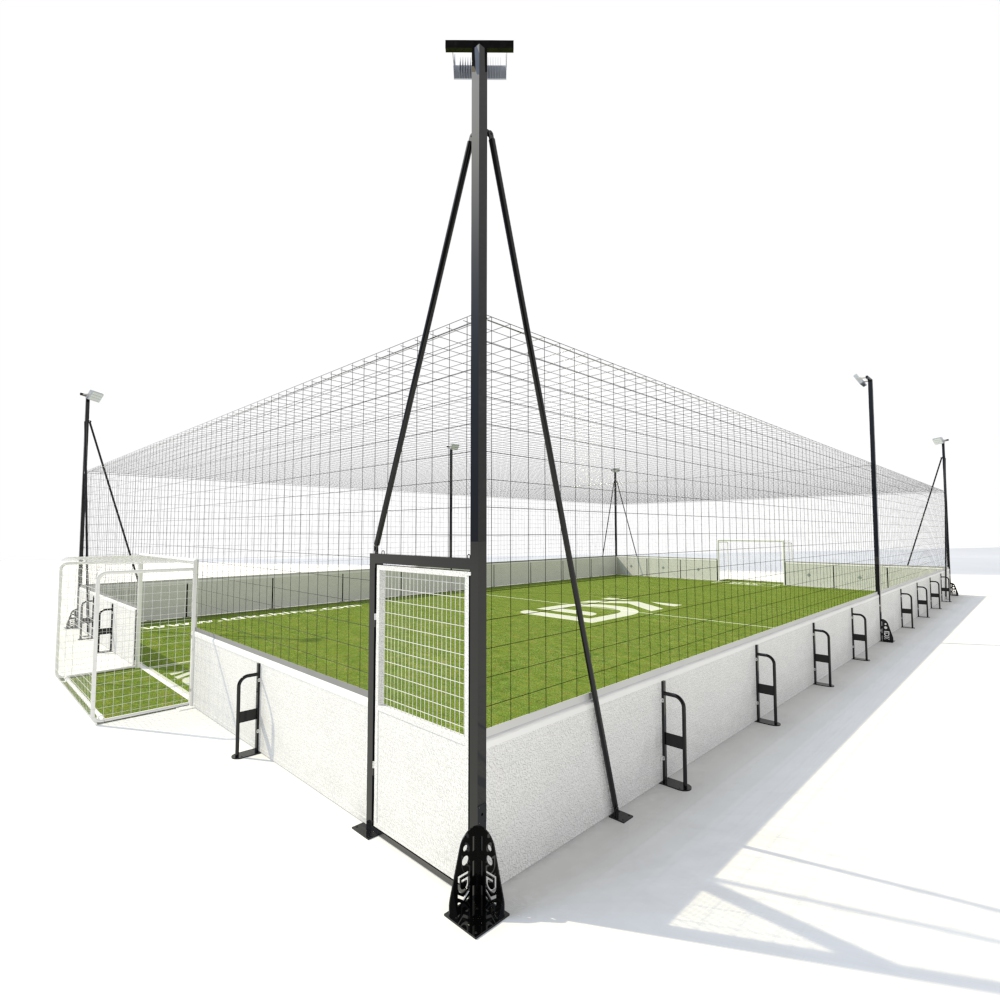
Cage football fields are small-sided pitches surrounded by fencing or rebound boards. Depending on the design, they can be used for informal matches, youth training and activities such as three-a-side or five-a-side football.
The enclosure helps keep the ball within the playing area, allowing games to continue with fewer interruptions. Some designs also allow players to use the surrounding boards during play, adding another dimension to passing and ball control.
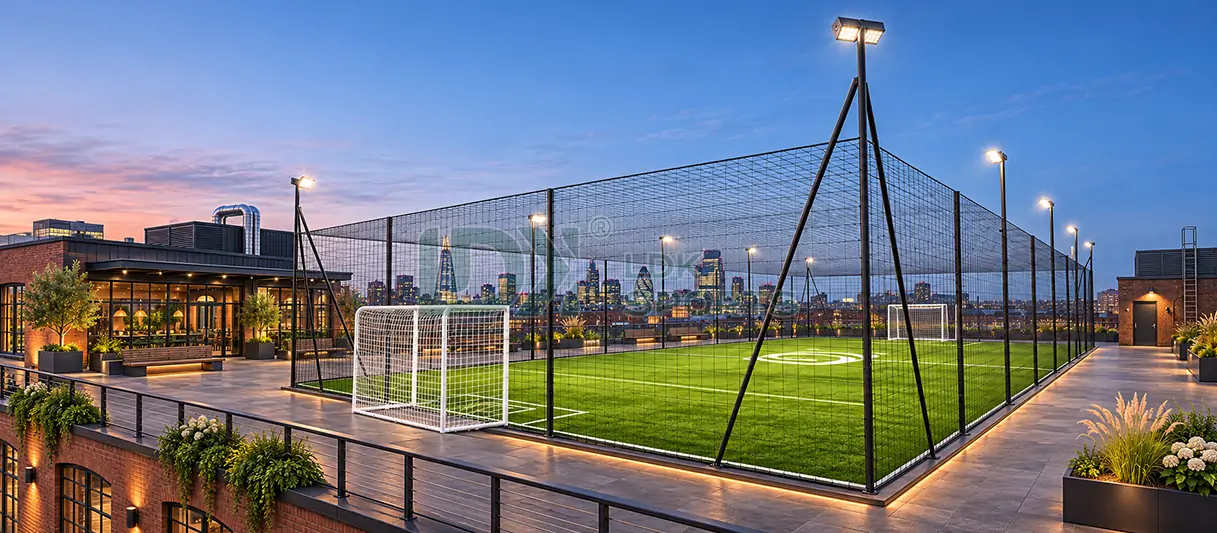
For project owners, the format may be worth considering at schools, community sports facilities and commercial venues. However, its suitability depends on the site: a rooftop project, for example, requires a different assessment from a ground-level community pitch.
What Project Planners Need to Consider
Interest in small pitches does not remove the need for site-specific planning. Before choosing a design, project owners should establish who will use the field, how often it will operate and who will be responsible for upkeep.
Key considerations include:
• Site conditions: available space, drainage, access and the condition of the ground or supporting structure.
• Player safety: the design and installation of fencing, goals, entrances and playing surfaces.
• Local requirements: applicable building, safety and planning rules, including any structural assessments.
• Neighbouring uses: lighting, operating hours and noise, particularly near homes or schools.
• Long-term operation: cleaning, inspection, repairs and replacement of worn components.
For schools and community organisations, decisions about supervision and access can be as important as the pitch itself. Commercial operators may also need to assess booking arrangements and expected demand before finalising a project.
What Comes Next
FIFA target for 2031 is a long-term ambition rather than a count of pitches already completed. The Mexico programme and the openings in Peru offer examples of how that ambition is being put into practice, but their impact will depend on continued access and local management.
For organisations considering a cage football field, the wider development is a prompt to examine whether a smaller playing space could meet local needs—and what it would take to keep that space active over time.
FAQ
What is a cage football field?
A cage football field is a small football playing area enclosed by fencing, boards or a combination of the two. Designs vary according to the site, intended users and type of play.
Is a FIFA mini-pitch the same as a cage football field?
Not necessarily. “Mini-pitch” describes a small playing area, while “cage football field” generally refers to a pitch with an enclosing structure. A specific project’s design should be checked before applying either description.
Where can a cage football field be installed?
Potential locations include schools, community sports facilities, parks and commercial venues. Each site needs an assessment of space, access, structural conditions and applicable local requirements.
How many players can use a cage football field?
The number depends on the field’s dimensions, the age of the players and the activity. Small-sided formats such as three-a-side and five-a-side are common options, but the layout should be planned around the intended use.
What should a buyer prepare before requesting a proposal?
Useful starting information includes the project location, available site dimensions, intended users, preferred playing format and expected operating conditions. Photos or a site plan can help a supplier understand the project, although a professional site assessment may still be necessary.
Planning a Small-Sided Football Project?
If you are exploring a cage football field for a school, community or commercial venue, start by reviewing your available space and intended use. Share the site dimensions and project requirements with a suitable supplier to discuss layout options, installation considerations and a project-specific quotation.