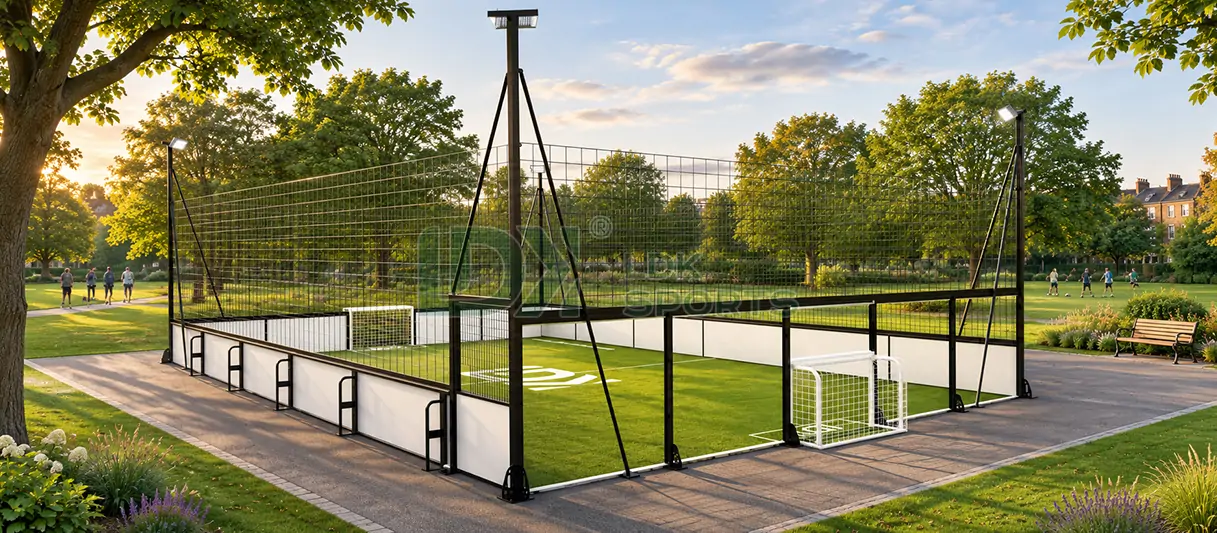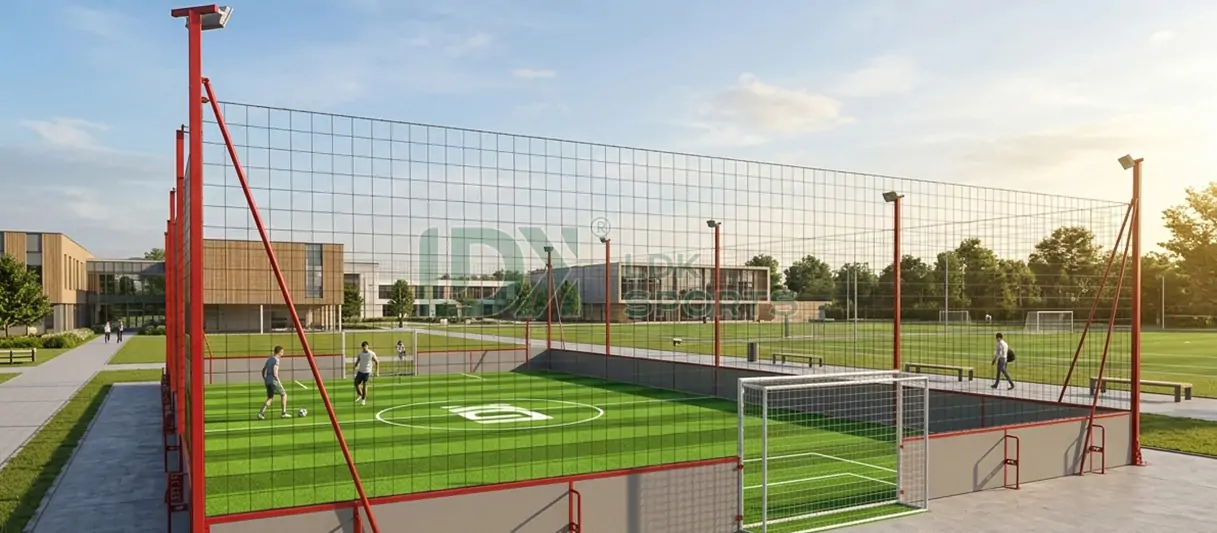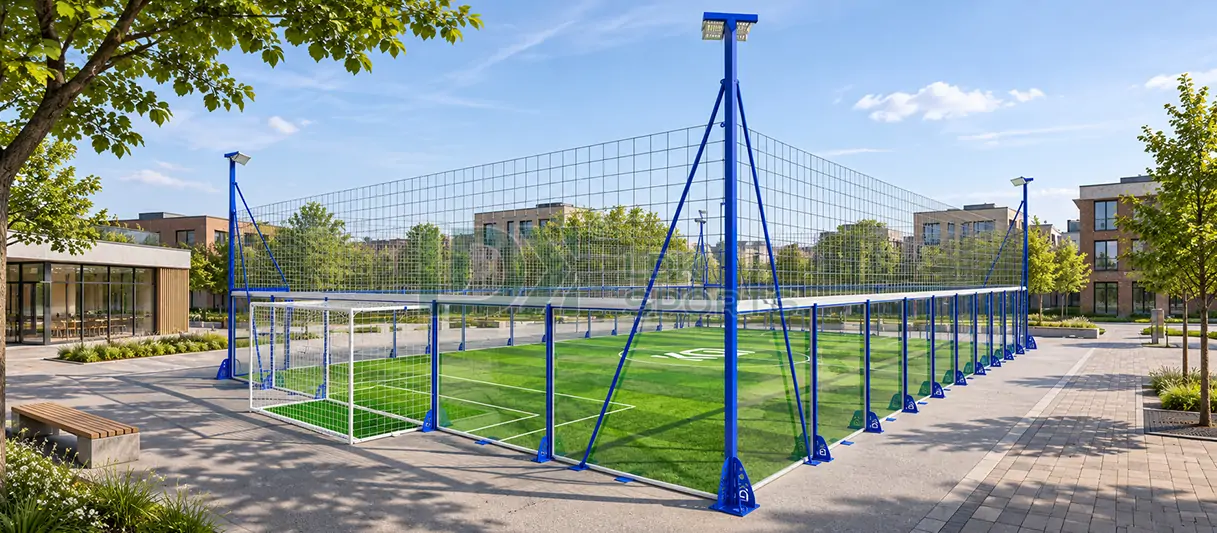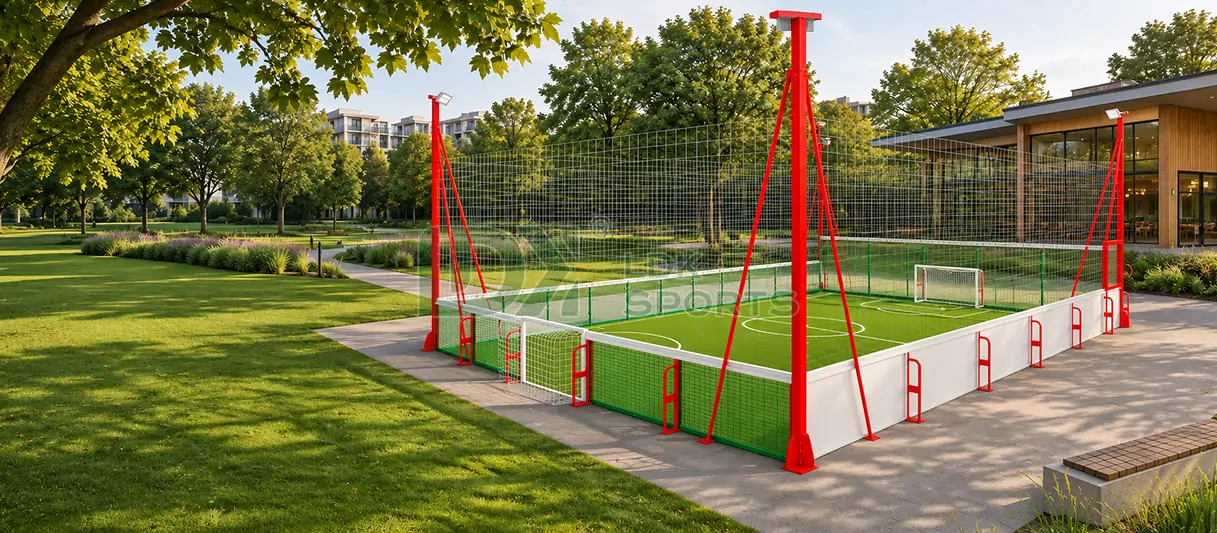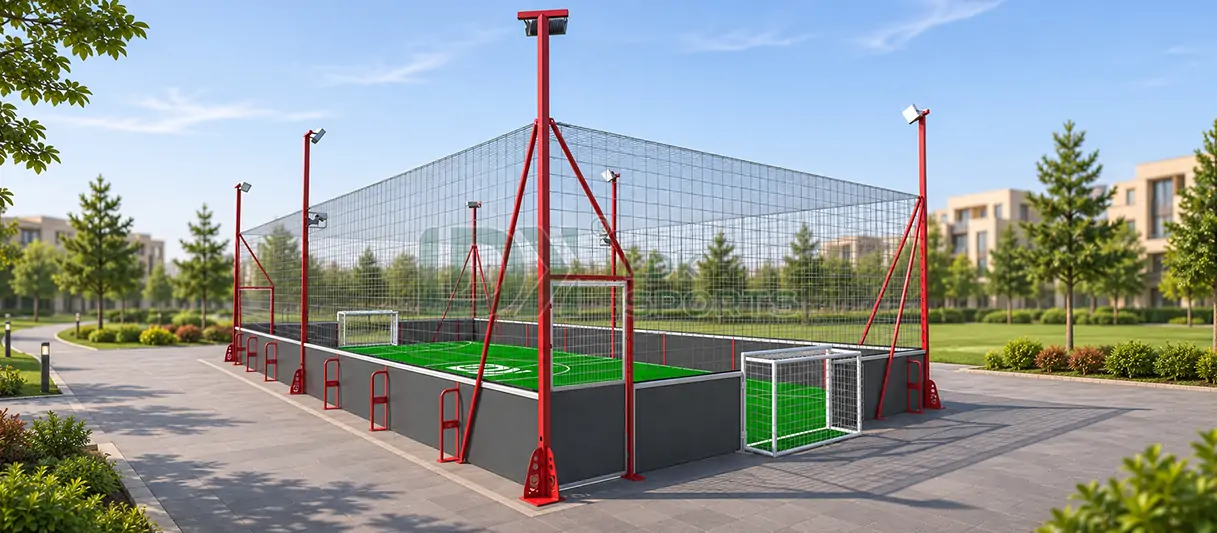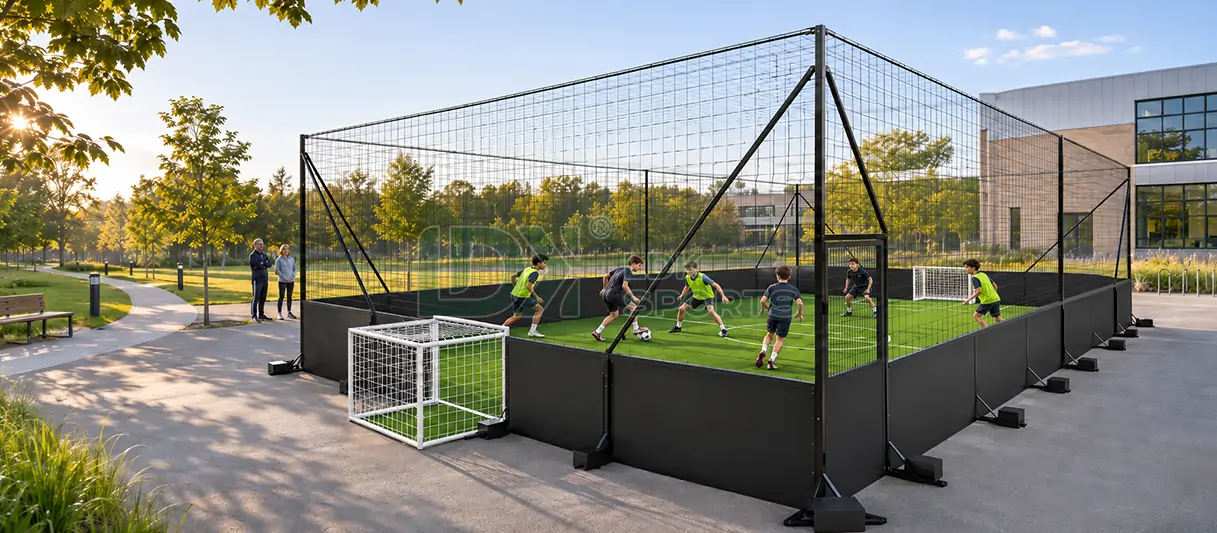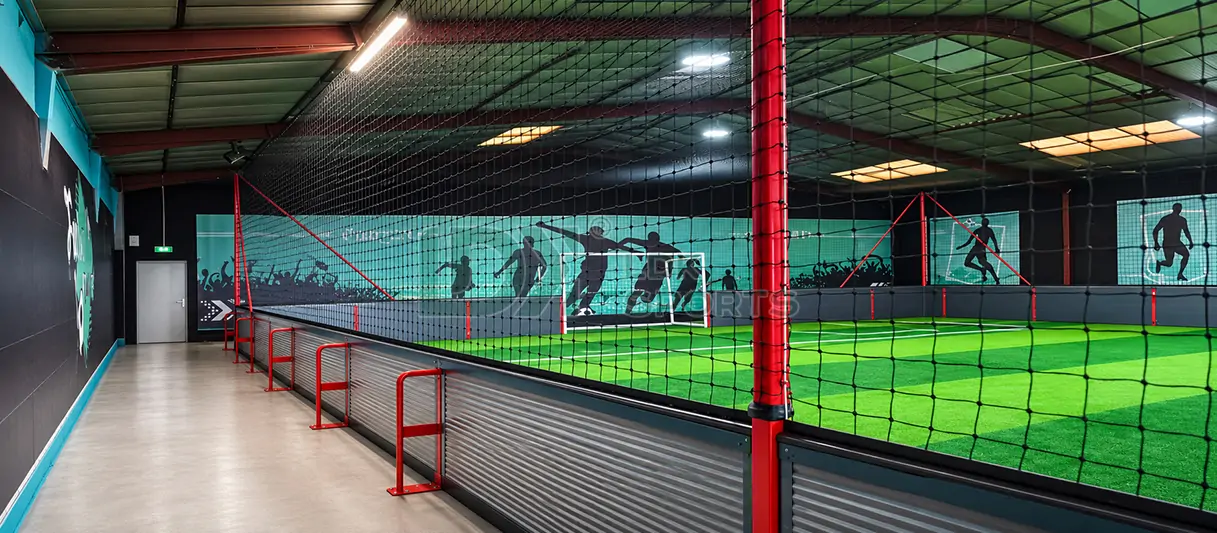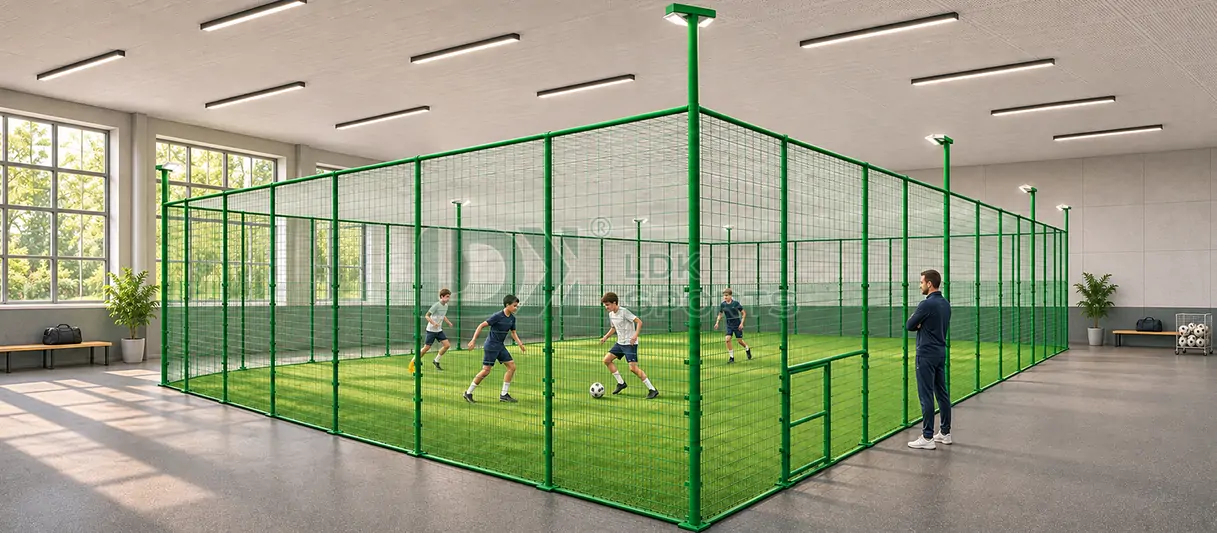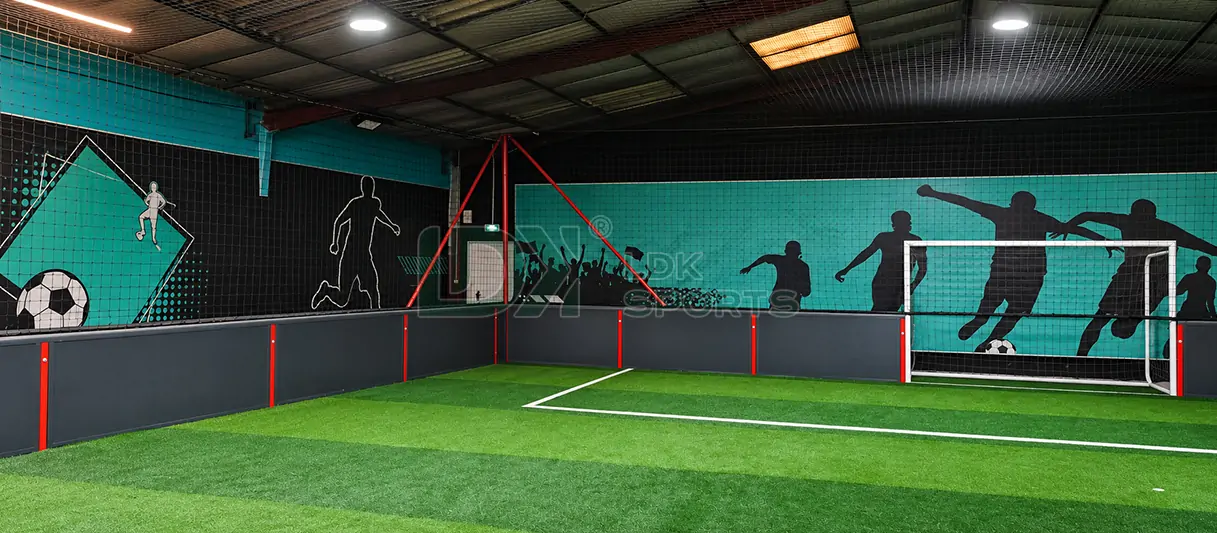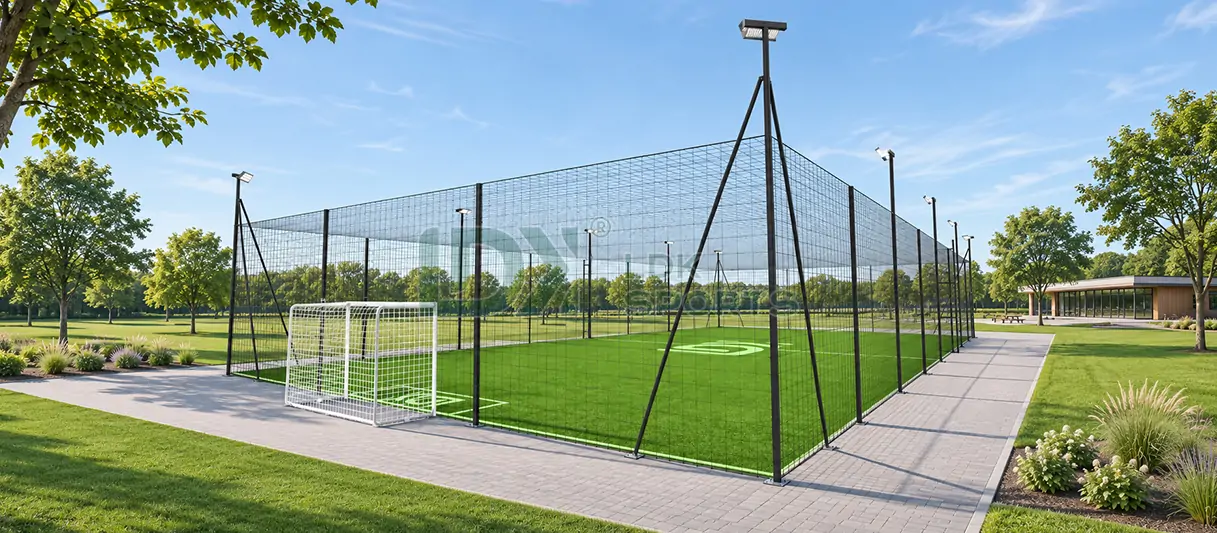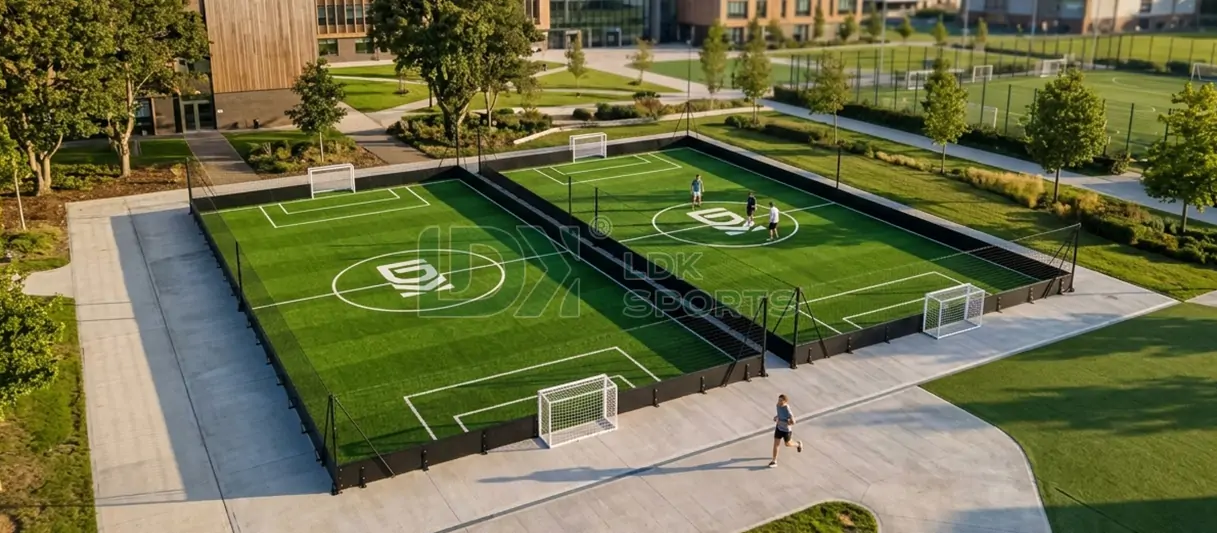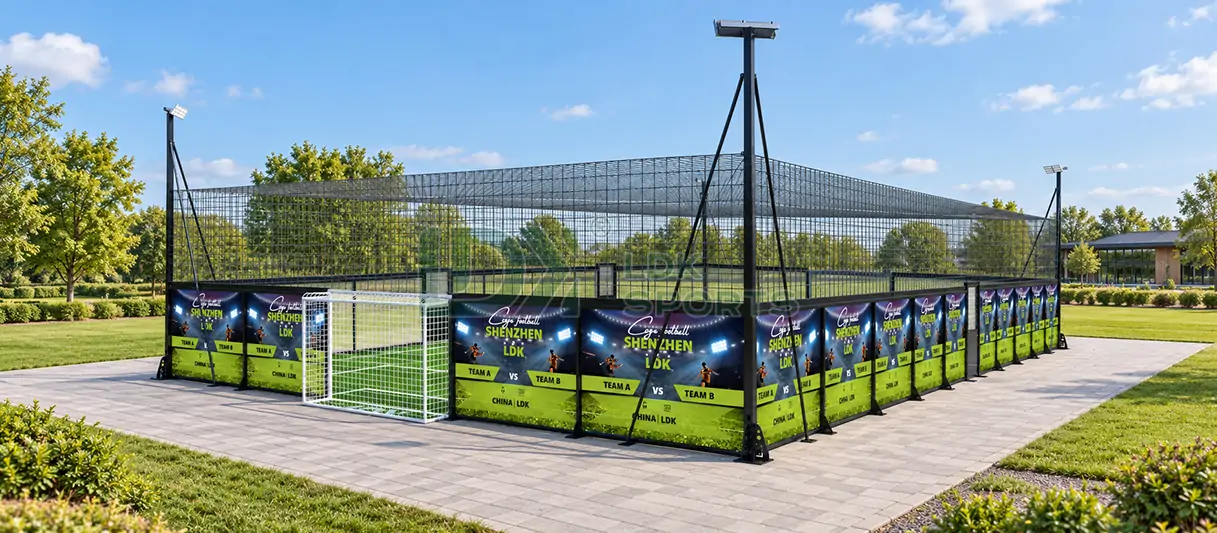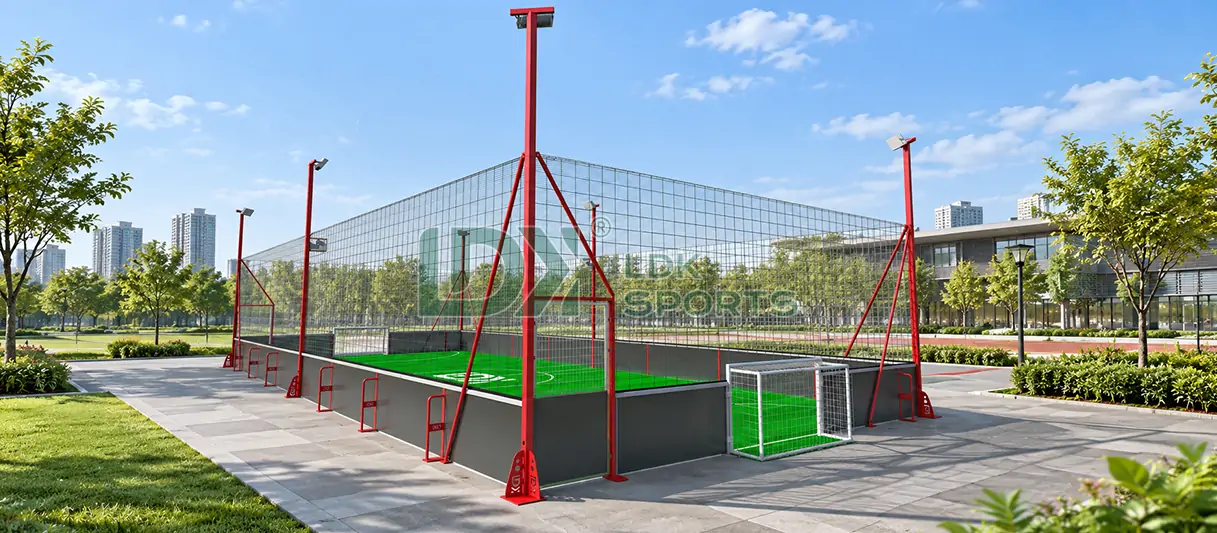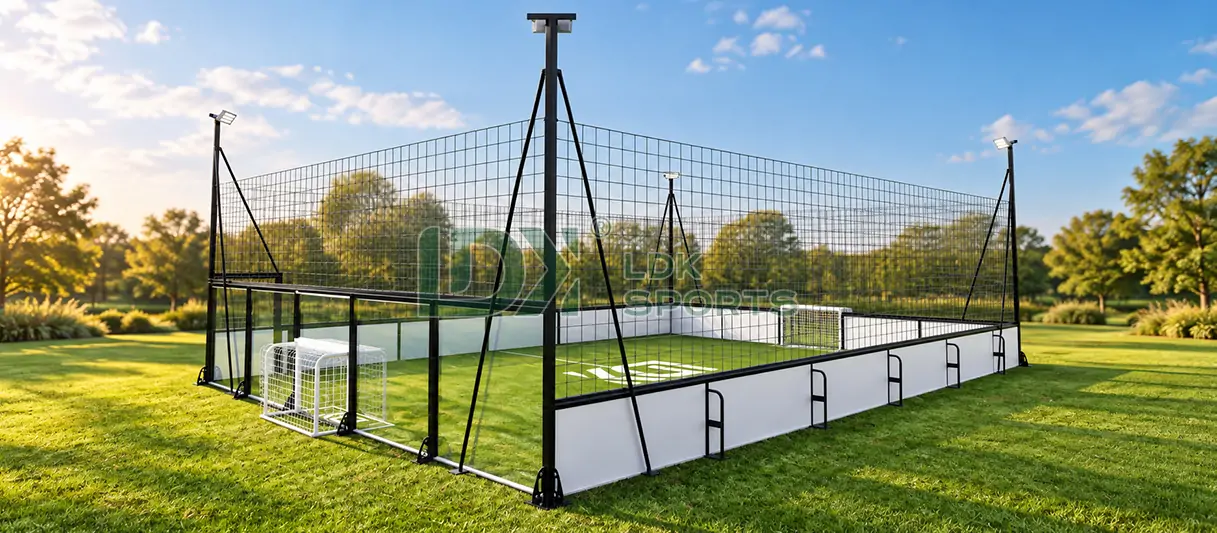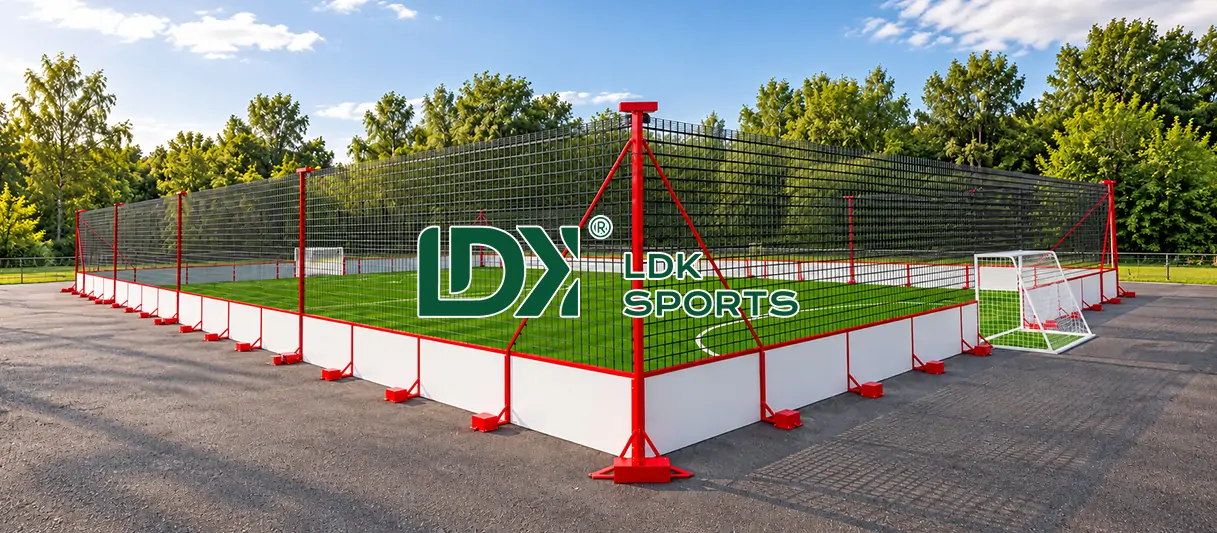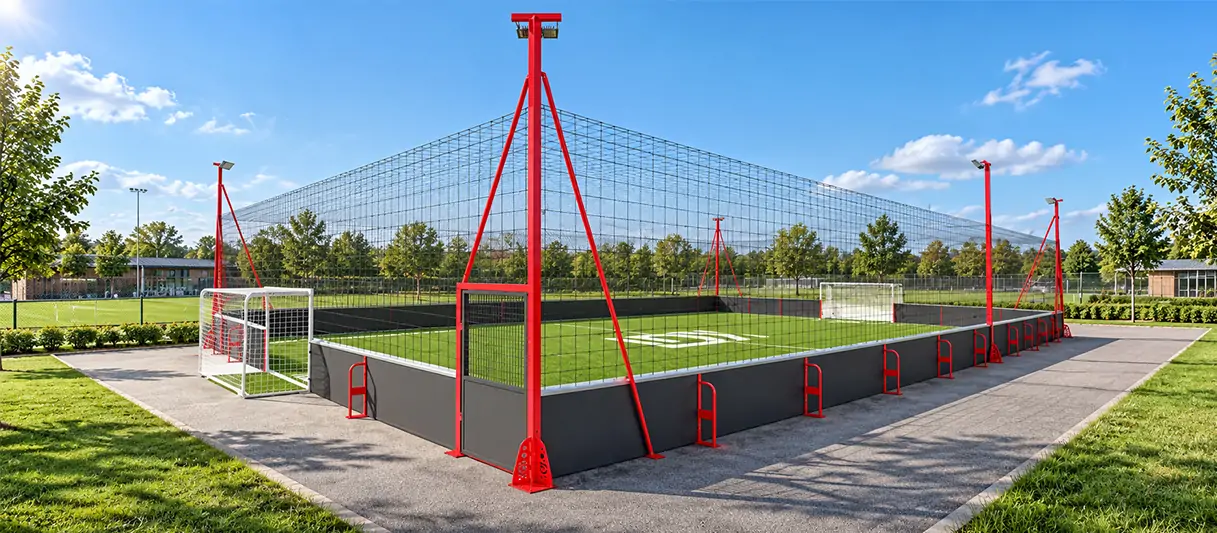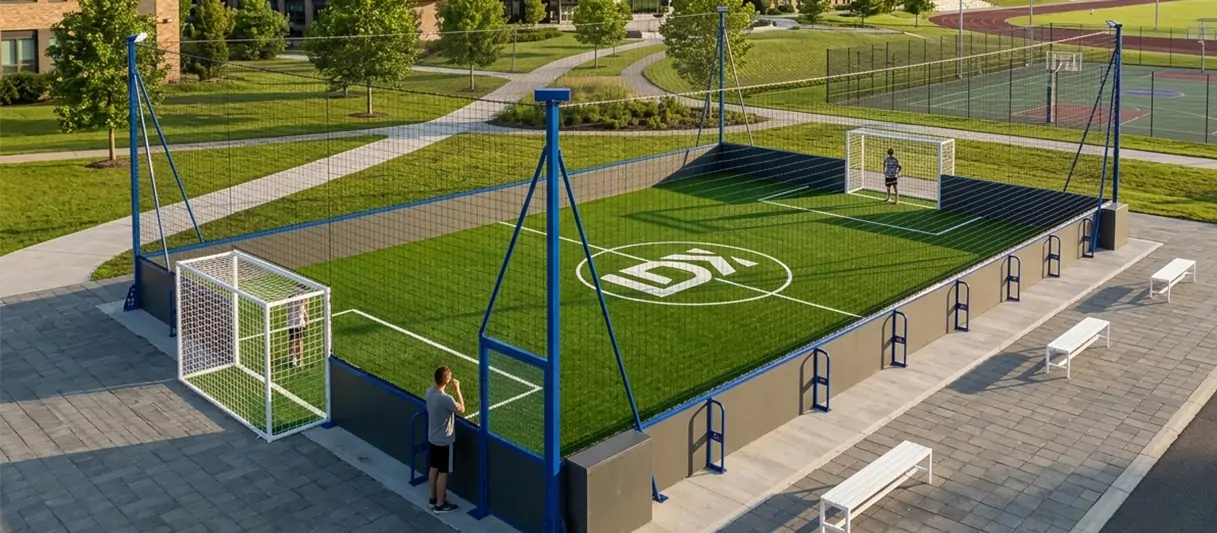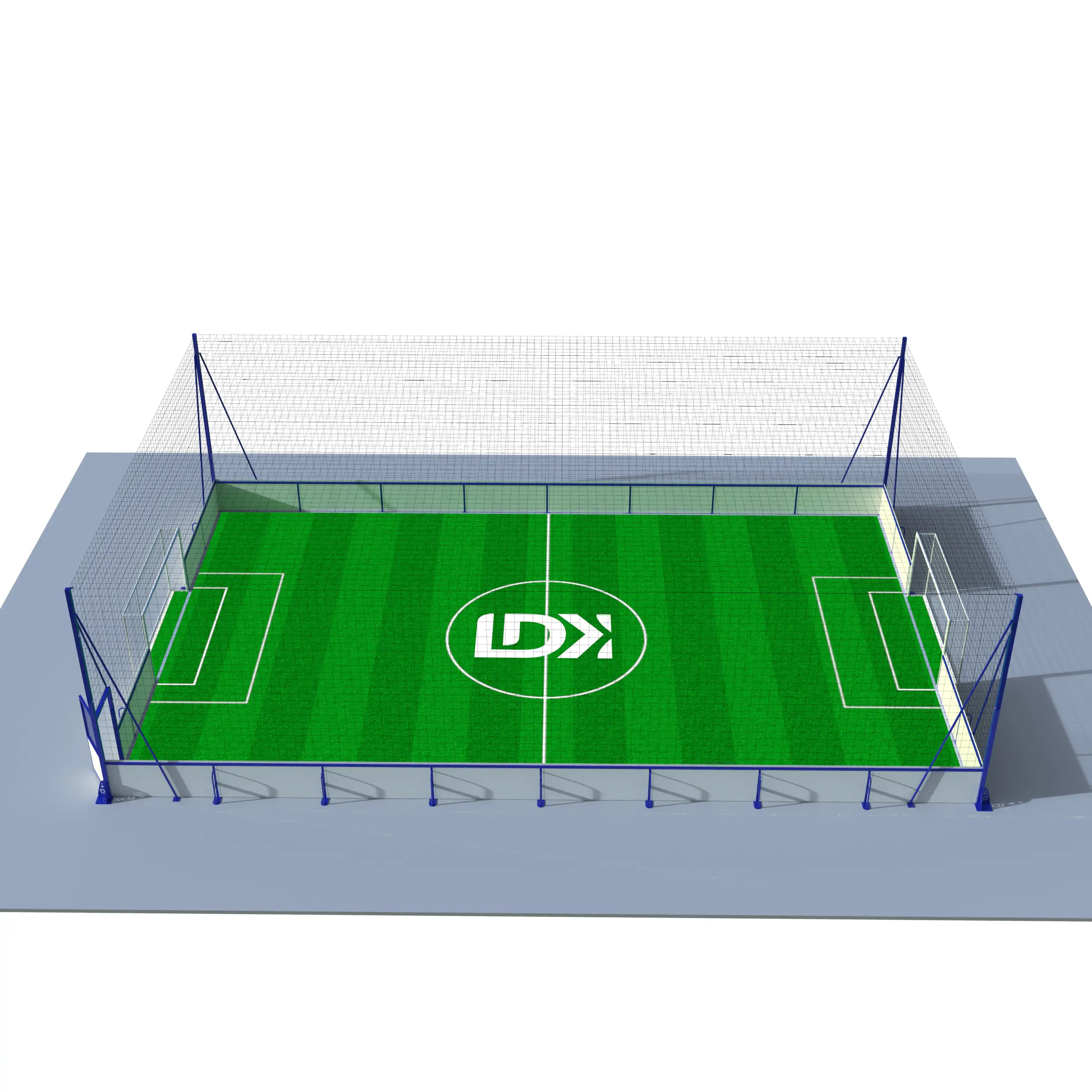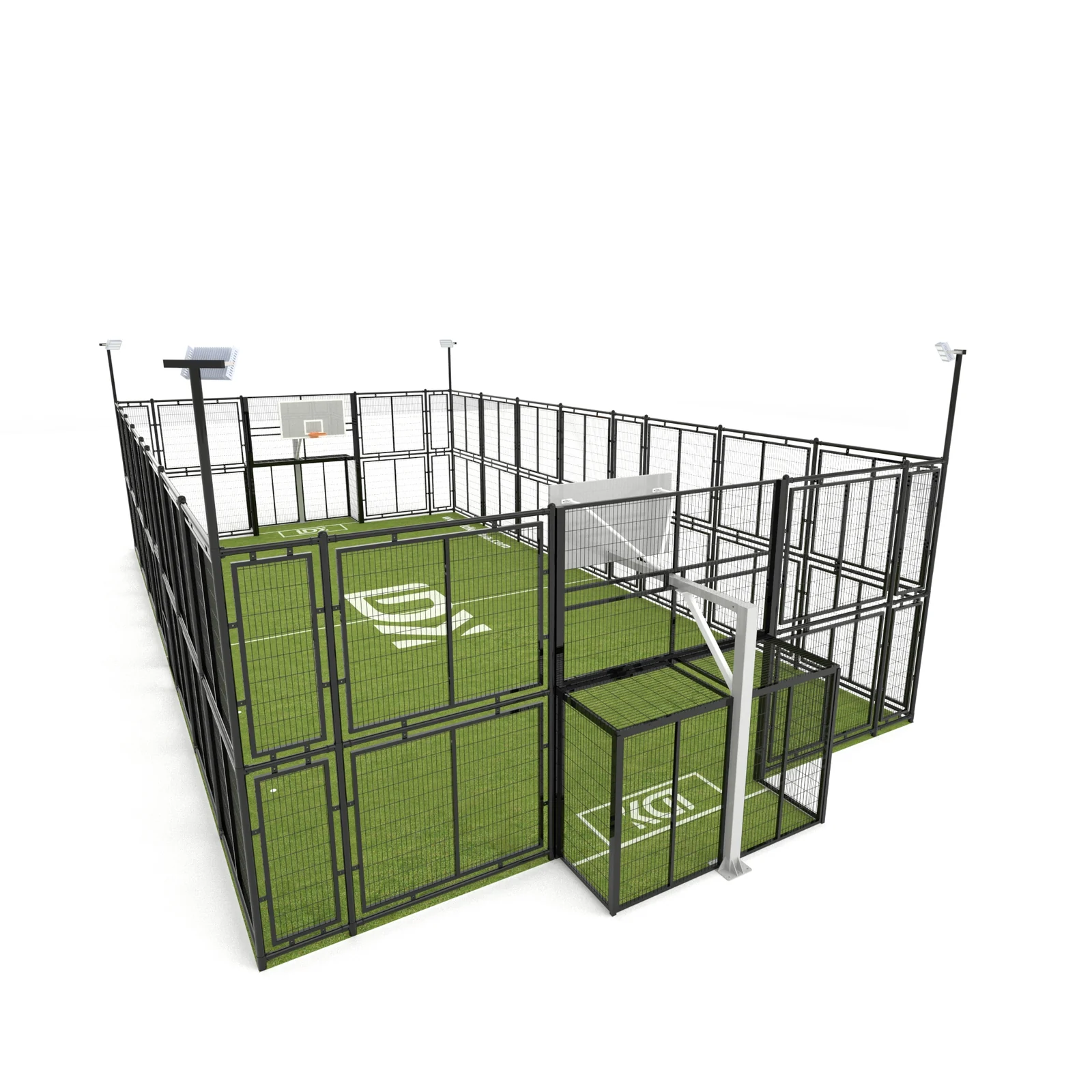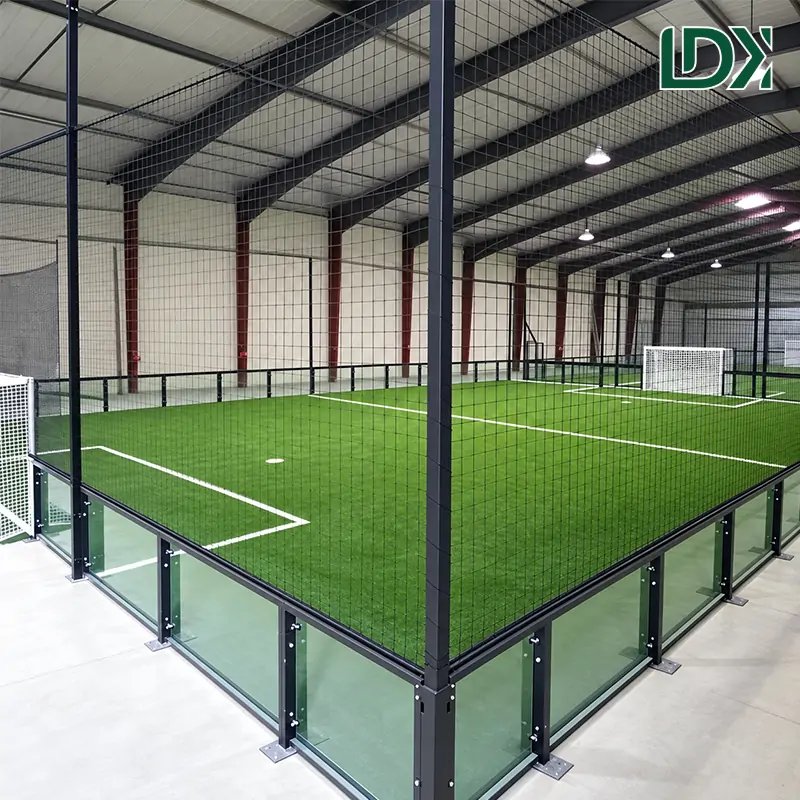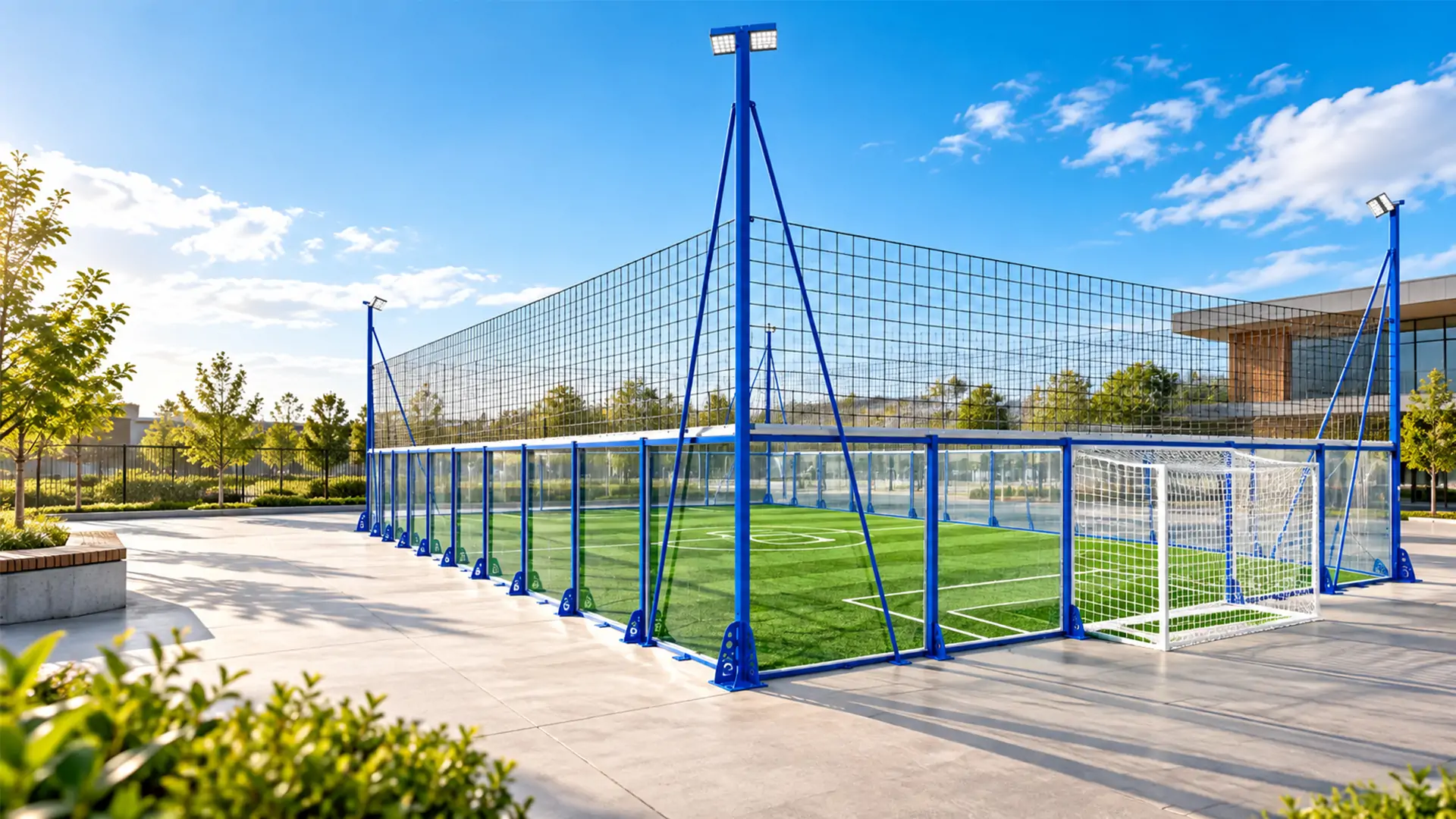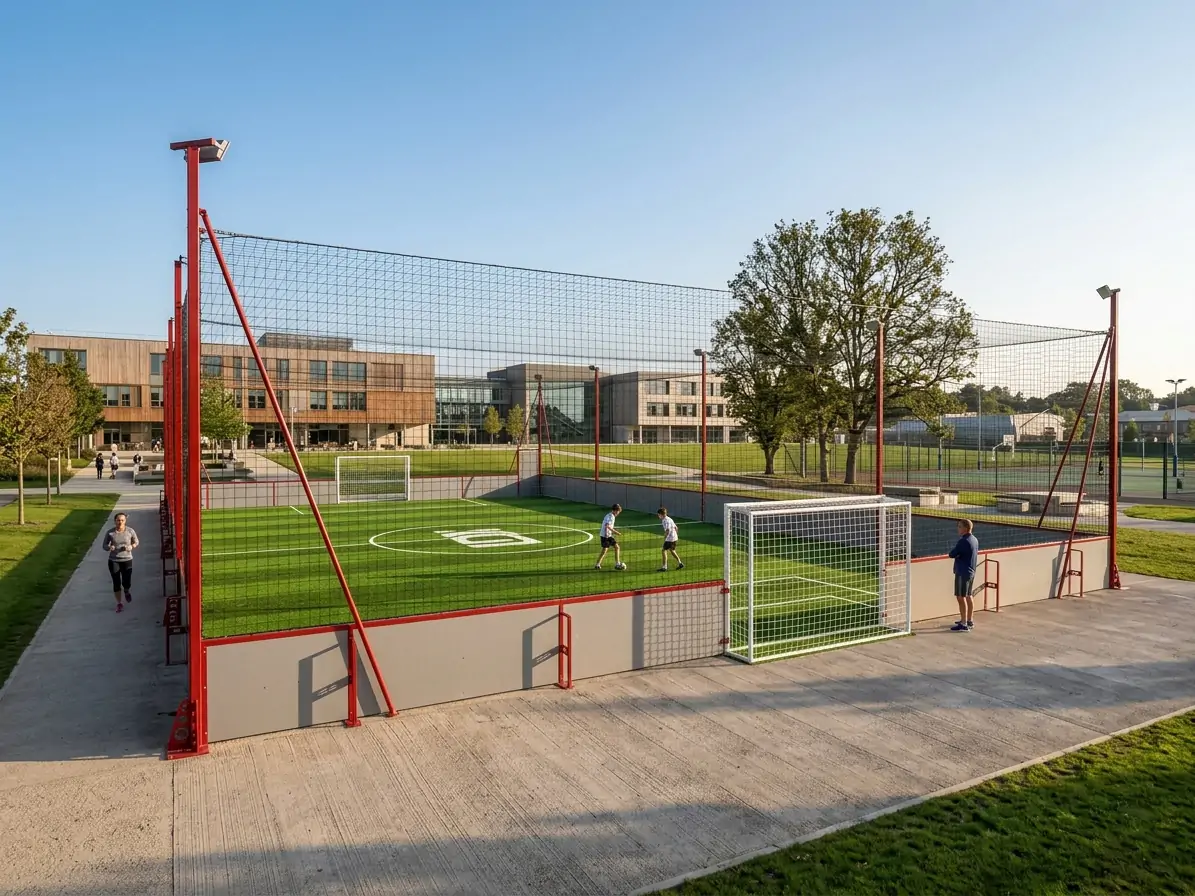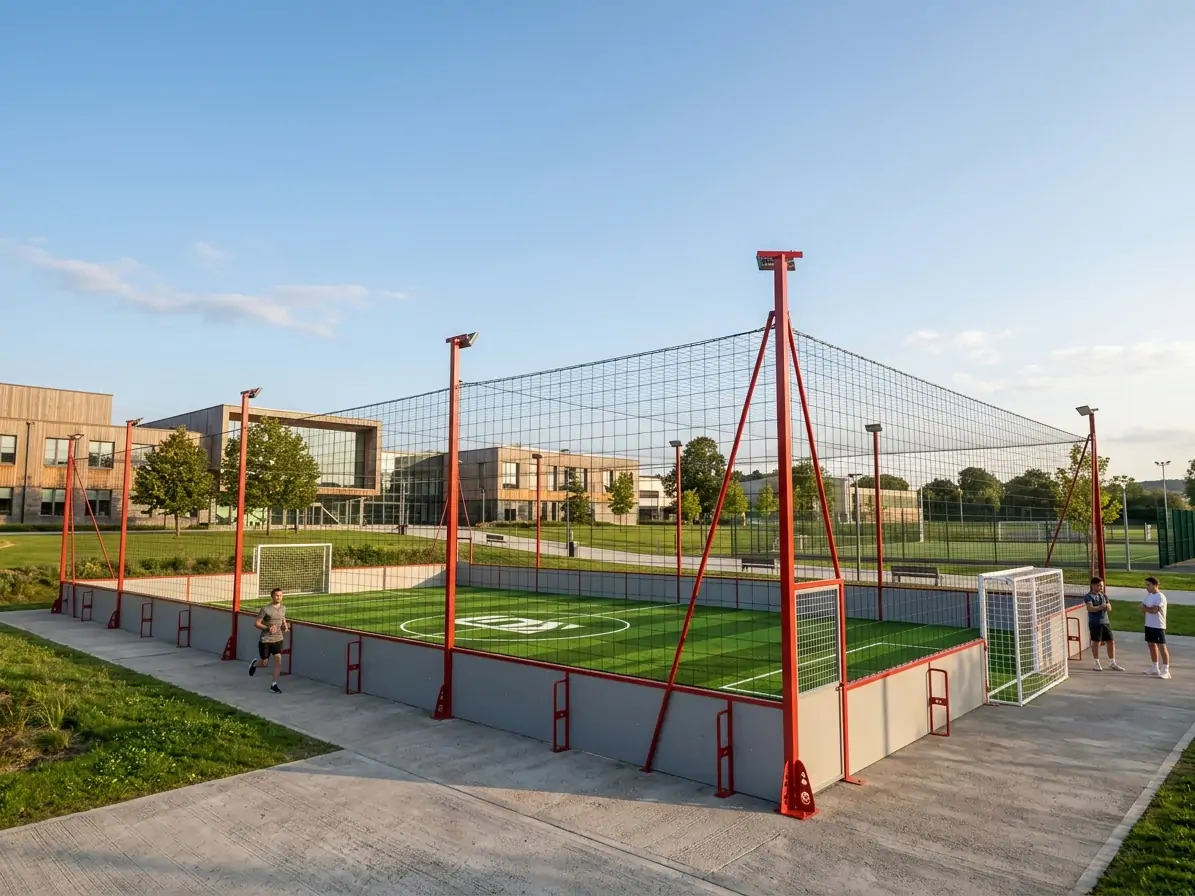
The success of a small-sided football facility depends on decisions made before installation—from who gets access to how the site will be maintained.
A new cage football pitch may look ready for action once the turf is laid and the goals are in place. For the organization responsible for it, that is when another set of decisions begins: who can use the facility, when it will be open, and who will keep it in playing condition?
These questions are easy to leave until later. Yet they influence the layout, equipment choices, and day-to-day workload. Treating operations as part of the initial plan can help schools, community groups, and sports operators avoid building a facility that is difficult to manage.
Decide who the pitch is for
A school may prioritize PE lessons and after-school activities. A community venue may need to balance casual access with organized sessions. A commercial operator may focus on bookings across evenings and weekends.
Those uses can place different demands on entrance arrangements, supervision, lighting, and scheduling. Identifying the main user groups early helps project teams decide how the pitch should function throughout a typical week—not just how it should look on opening day.
Make access part of the design
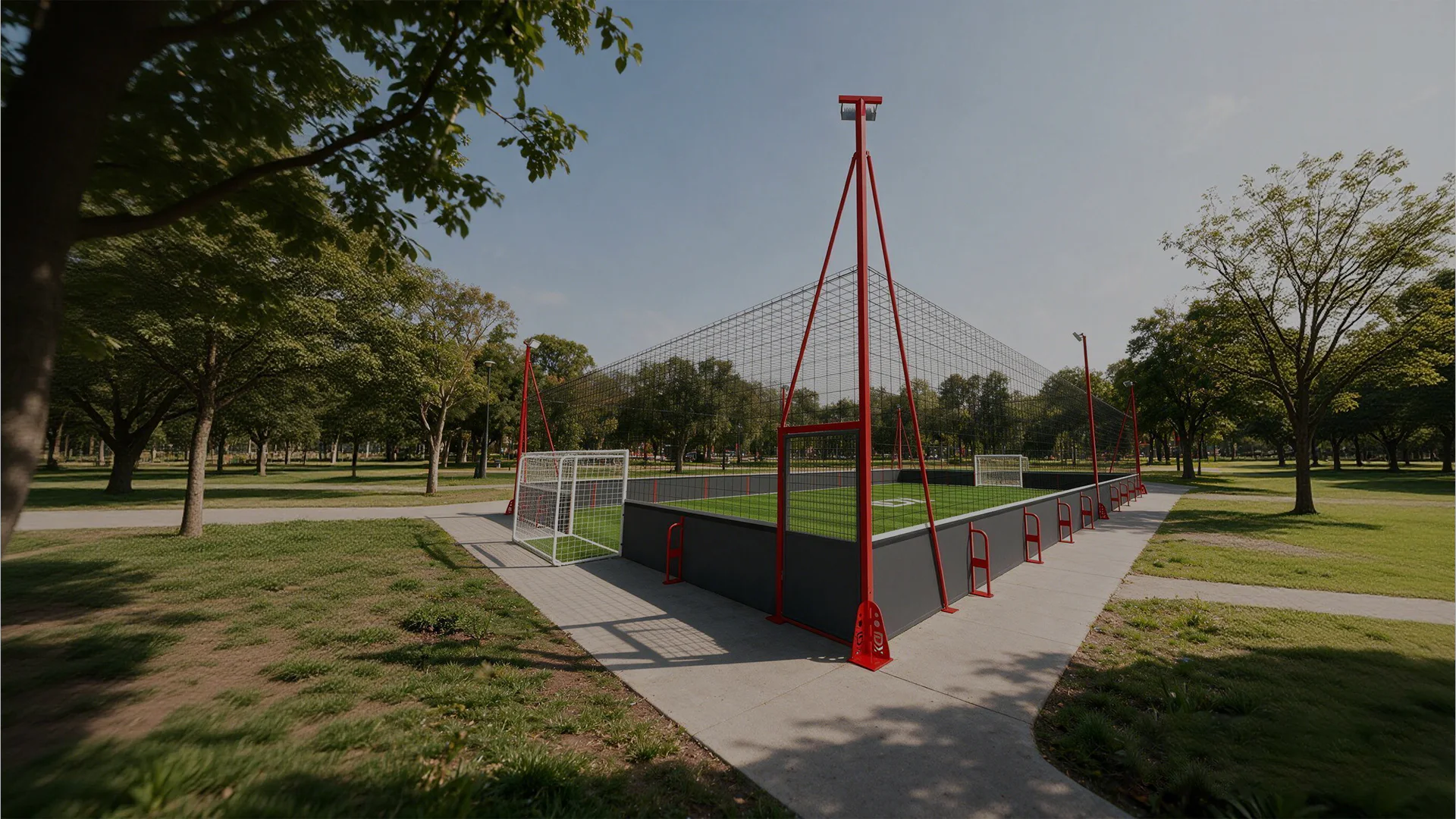
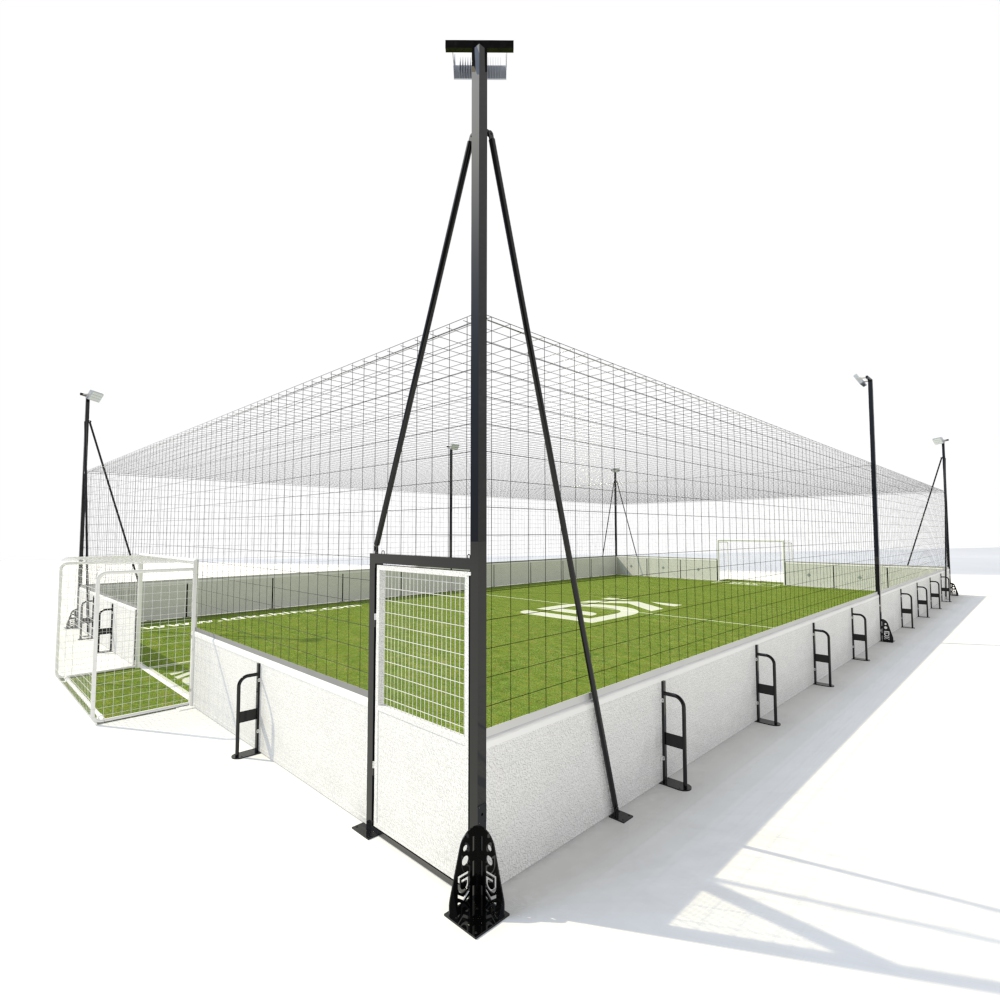
A clearly positioned gate can make entry and routine checks easier. The route to that gate matters too: users need a practical way to reach the pitch, while staff need access to inspect and maintain it.
The surrounding area should also be considered. Paths, nearby activities, and neighboring properties can affect how the facility is used and when it should operate. These details are especially relevant for pitches located in parks, school grounds, or residential developments.
Plan for upkeep while selecting components
Turf, nets, gates, lighting, and structural elements do not all need the same attention. Operators should decide who will carry out regular inspections and how worn or damaged components will be reported and repaired.
Material choices should reflect the local climate and expected playing schedule. A maintenance plan can also account for drainage checks, net tension, gate hardware, and surface condition. Setting out these responsibilities before opening helps make upkeep part of normal operations.
Match the build to a realistic schedule
Lighting may make evening sessions possible, but operating hours also depend on staffing, access rules, and the needs of nearby users. A realistic weekly schedule can help teams assess whether the proposed facility and its equipment match expected demand.
The same thinking applies to project costs. Site preparation, drainage, lighting, installation, and ongoing maintenance all shape the overall commitment. Evaluating them together provides a clearer basis for deciding whether a project fits an organization’s budget and operating capacity.
A cage football pitch is a physical facility, but its usefulness is shaped by the decisions around it. Defining users, access, schedules, and maintenance before construction gives project teams a more practical basis for choosing the layout and equipment—and for managing the pitch once play begins.